
Quick Answer: Which Newborn Diaper Is Best for Your Baby?
Choosing the best newborn diaper in the Philippines depends on your baby’s unique body shape, skin sensitivity, and your household budget. There is no single option that fits every infant perfectly, as different brands prioritize different design aspects to meet diverse parenting needs.
Huggies is highly regarded for its secure fit and robust leak protection, making it an excellent choice for active babies or those prone to frequent blowouts. Pampers focuses on exceptional softness, breathability, and skin-care features, which are highly beneficial for protecting delicate newborn skin from friction. Equator serves as a budget-friendly, no-frills option that provides essential daily care, making it highly practical for the frequent diaper changes required during the first few weeks.
By matching these brand strengths to your primary parenting goals—whether you prioritize maximum leak defense, premium skin gentleness, or cost-effective utility—you can easily select the diaper that best supports your newborn’s daily comfort.
Products mentioned in this guide
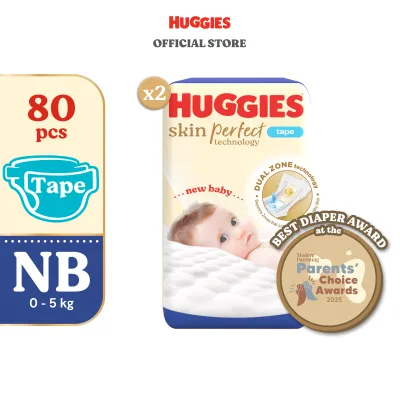
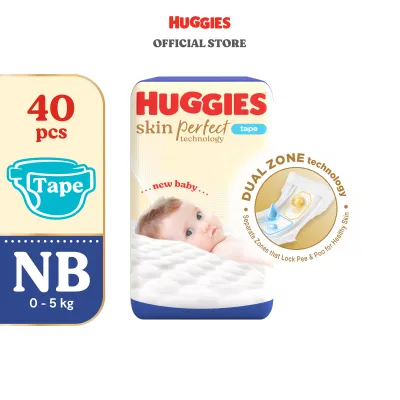
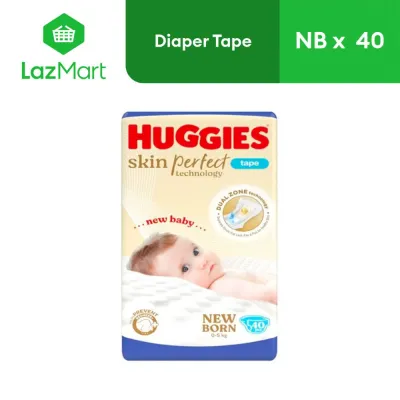
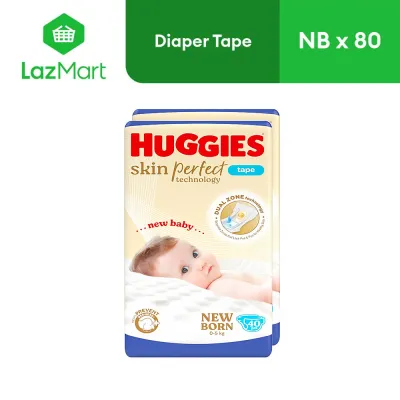
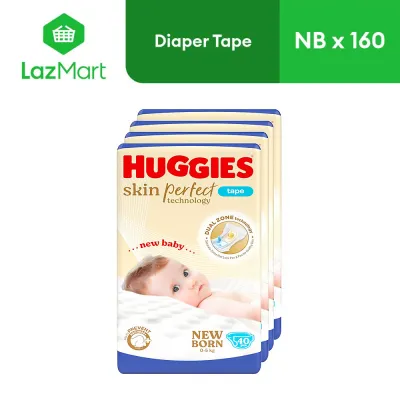
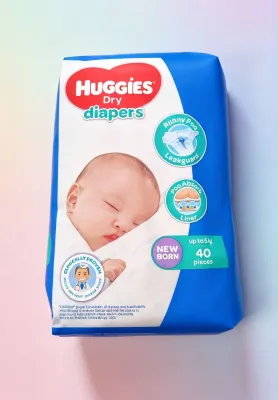
Prices are valid at publication and may change. Please refer to the product page for the latest price.
What Matters Most in a Newborn Diaper
Newborn skin is incredibly thin and delicate, making it highly susceptible to irritation, friction, and moisture-induced breakdown. In the tropical climate of the Philippines, diaper selection and management require careful attention to specific design details to ensure your baby remains dry and comfortable.

An umbilical cord cut-out is a critical design feature to look for in newborn diapers. The umbilical cord stump must remain dry and clean until it naturally detaches, which typically occurs within the first two weeks of life. A diaper with a curved cut-out at the front waistband prevents the material from rubbing against this highly sensitive area, reducing friction and minimizing the risk of irritation or infection.
High absorbency is equally vital for managing the frequent, liquid-like stools of breastfed or formula-fed newborns. The diaper must feature a specialized top sheet that can quickly draw both urine and runny stools away from the skin, trapping them in an absorbent core. This rapid absorption prevents moisture from sitting on the skin, which is a primary trigger for diaper dermatitis.
Breathability is another essential factor, especially in hot and humid conditions. Diapers with breathable outer covers allow trapped heat and moisture vapor to escape, helping to maintain a cooler microclimate inside the diaper. This ventilation is key to preventing heat rash, commonly known locally as bungang araw, which frequently affects infants in warm climates.
When evaluating different brands, always check the product packaging for specific dermatological testing, hypoallergenic claims, or pediatrician recommendations. These labels provide assurance that the materials have been evaluated for skin safety. Be sure to follow the manufacturer’s instructions for application and fit to ensure the diaper performs as intended.
Regardless of the brand’s absorbency claims, frequent changing remains the most effective way to prevent diaper rash. Newborns typically need their diapers changed every two to three hours, or immediately after every bowel movement. No diaper technology can replace the necessity of prompt, hygienic diaper management to maintain your baby’s skin health.
Brand Breakdown: Huggies vs. Pampers vs. Equator
Huggies Newborn: Fit and Leak Protection
Huggies has established a strong reputation in the Philippine market for its structural design, which focuses heavily on containing messes and preventing leaks. For newborns, this is often represented by their specialized newborn lines, such as Huggies Dry, which are designed to handle the unique challenges of early infancy.
A standout feature of Huggies newborn diapers is the pocketed waistband, often located at the back of the diaper. This physical barrier is designed to catch runny stools before they can escape up the baby’s back, a common issue when newborns are lying flat or during tummy time. This feature provides parent peace of mind during long periods of rest.
The brand also utilizes snug, elasticized leg cuffs and a stretchy waistband that conforms to the baby’s natural shape. This secure fit minimizes gaps around the thighs and waist, which is particularly beneficial for active newborns or those with slimmer legs. The secure fastening tabs allow for easy adjustments to achieve a customized fit.
Additionally, many Huggies newborn diapers include a clear wetness indicator—a yellow line that turns blue when wet—allowing caregivers to monitor diaper status without opening it. Parents should check the specific packaging of the product line they purchase to confirm which features are included, as designs may be updated by the manufacturer.
Pampers Newborn: Softness and Skin Care
Pampers has built its reputation on providing a soft, gentle environment for newborn skin, with popular local options like Pampers Baby Dry and Pampers Premium Care. The primary design focus of this brand is to mimic the feel of cloth while maintaining high-performance absorbency.
The inner liner of a Pampers diaper is designed to be exceptionally soft to the touch, reducing friction against the newborn’s highly sensitive skin. Some lines incorporate a mild, skin-protecting lotion embedded in the top sheet to create a barrier against moisture and waste.
While these lotions and light fragrances are designed to keep the skin smelling fresh and protected, parents of babies with extreme skin sensitivities or conditions like eczema should monitor the diaper area closely. If any redness or irritation occurs, switching to a fragrance-free alternative may be necessary.
Pampers diapers also feature highly breathable layers that allow hot, humid air to escape while keeping wetness locked inside. This is particularly valuable in the Philippines, where indoor temperatures can rise quickly, helping to maintain a cooler microclimate inside the diaper.
Equator Newborn: Budget-Friendly Basics
Equator occupies a unique and highly practical niche in the Philippine diaper market, serving as an exceptionally budget-friendly option. This brand focuses on delivering the essential functions of a disposable diaper without the added cost of premium, specialized features.
The core design of Equator diapers provides basic absorbency and a standard fit. While it may not feature advanced elements such as a pocketed waistband, a wetness indicator, or infused skin lotions, it provides reliable containment for standard daily use.
Because newborns require extremely frequent diaper changes—often up to 10 to 12 times a day—the cost of premium diapers can accumulate rapidly. Equator allows parents to maintain a strict, hygienic changing schedule during the day without experiencing significant financial strain.
When trying Equator for the first time, parents are advised to physically inspect the diaper’s thickness, the elasticity of the side tabs, and the softness of the inner lining. This hands-on check helps ensure the diaper fits comfortably and meets your expectations for daytime wear before buying in larger quantities.
Feature Comparison and Daily Use in a Tropical Climate
To help visualize how these three brands compare across key categories, the following table summarizes their primary characteristics based on typical product specifications.
| Brand | Primary Strength | Key Newborn Features | Best Suited For |
|---|---|---|---|
| Huggies | Leak containment and secure fit | Pocketed waistband, wetness indicator, snug leg cuffs | Babies prone to blowouts or those with active leg movements |
| Pampers | Ultra-soft texture and breathability | Soft inner liner, skin-care lotion options, high breathability | Babies with delicate skin who benefit from a soft, airy feel |
| Equator | Excellent cost-to-value ratio | Basic absorbent core, standard elastic tabs, affordable pricing | Frequent daytime changes and budget-conscious households |
The tropical climate of the Philippines introduces unique challenges for baby skin care. High humidity levels mean that sweat and urine can quickly combine to irritate a newborn’s skin, leading to painful rashes or fungal infections.
While brands frequently advertise “breathable” outer covers, these materials cannot entirely prevent moisture buildup in a humid environment. It is essential to allow the baby’s skin to air-dry completely during diaper changes. After cleaning the area with gentle, alcohol-free wipes or warm water, let the skin remain exposed to the air for a few minutes before securing a new diaper.
Avoid applying heavy layers of baby powder, as the powder can clump when mixed with sweat or urine, creating an abrasive paste that worsens friction. Instead, a thin layer of a zinc oxide-based barrier cream can protect the skin from moisture without blocking the diaper’s absorbent pores.
Sizing, Availability, and Smart Buying Tips
Huggies and Pampers enjoy widespread availability across the Philippines. You can easily find them in major supermarkets, neighborhood department stores, local pharmacies, and various online marketplaces. Equator, being a value brand, is often found in specific supermarket chains, discount department stores, and online ecommerce platforms. It is wise to identify a reliable local or online supplier if you decide to make Equator your primary daytime diaper.
One of the most common mistakes new parents make is stockpiling newborn-size (NB) diapers before the baby is born. Newborns grow at an incredibly rapid rate, often outgrowing the newborn size within three to six weeks. Additionally, birth weight varies significantly. A baby born weighing over 3.5 kilograms may only fit into newborn diapers for a couple of weeks before needing to transition to Small (S) sizes. Buy only one or two small packs of newborn diapers to start, and purchase more only as needed.
Do not rely solely on the weight ranges printed on the packaging, as these are general guidelines and do not account for different body shapes. Watch for physical signs that the diaper is becoming too small:
- Red marks: Look for red elastic marks or indentations around your baby's thighs or waist.
- Low rise: Notice if the diaper waistband sits significantly below the baby's belly button.
- Frequent leaks: Pay attention to frequent leaks, particularly around the waist or legs, despite proper application.
- Tight tabs: Check if the adhesive tabs are difficult to fasten or sit far apart near the hips.
Final Verdict: How to Choose the Right Brand
Selecting the right newborn diaper involves balancing your baby’s physical comfort with your family’s daily routine and budget. There is no single “best” diaper, but there is a best diaper for your specific circumstances.
Choose Huggies if:
- Your baby is highly active, has slim thighs, or frequently experiences "blowouts" up the back.
- You want a reliable wetness indicator to help monitor diaper changes easily.
- You prefer a structured, highly secure fit with robust elastic cuffs.
Choose Pampers if:
- You prioritize maximum softness and a gentle touch against highly sensitive skin.
- The baby's skin is prone to redness from friction, and you want a cloth-like feel.
- You want high breathability to keep your baby cool in warm, humid weather.
Choose Equator if:
- You are looking for a highly economical option to support frequent daytime changes.
- You plan to change diapers every two hours and want to keep diapering costs manageable.
- You want a straightforward, functional diaper for daytime use alongside a premium brand for nighttime.
Because every baby’s skin chemistry and body shape are unique, a diaper that works perfectly for one infant may cause leaks or rashes on another. The most practical approach is to purchase the smallest available pack of two different brands before your baby arrives. Test them sequentially during the first week at home to observe how they fit and how well they protect your baby’s skin before committing to a larger purchase.

Community discussion
Share your experience or ask a question. Comments are reviewed before publication.