
Choosing between Huggies Little Snugglers, Pampers, and Equator diapers for your newborn depends on your baby’s unique body shape, skin sensitivity, and your household budget. There is no single universal winner that works perfectly for every infant. Instead, the best choice is conditional, based on how each diaper fits your baby’s legs and waist, how their skin reacts to the materials, and how the diaper handles tropical humidity.
Parents should focus on checking packaging labels, monitoring skin reactions, and testing small packs before committing to bulk purchases. By understanding what to look for on the packaging and observing how the diaper performs during daily use, you can keep your baby dry and comfortable while managing your monthly expenses effectively.
Key Comparison Factors for Newborn Diapers
Evaluating newborn diapers requires looking closely at specific design features that protect your baby’s delicate skin and prevent messy leaks. Before purchasing any brand, check the packaging for an umbilical cord cutout. Newborns have a healing navel area that must remain dry and free from friction to prevent irritation. A diaper with a contoured front waistband helps keep this sensitive area exposed to the air and free from rubbing.
Products mentioned in this guide
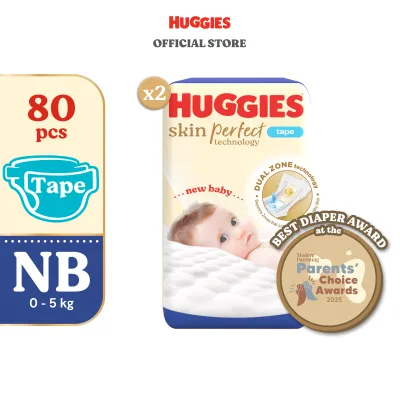
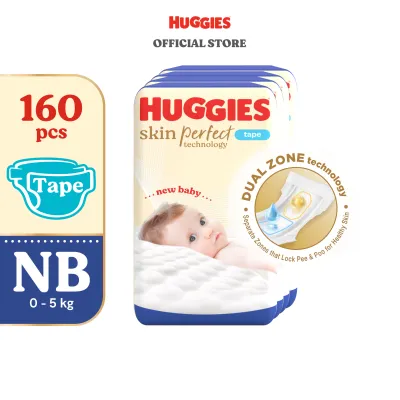
Prices are valid at publication and may change. Please refer to the product page for the latest price.
Wetness indicators are another essential feature to verify on the packaging. A color-changing line on the outside of the diaper allows caregivers to monitor wetness without constantly opening the diaper. This is particularly helpful during the first few weeks when newborns require frequent changes and minimal sleep disruption.
Leg cuff elasticity and waistband stretch are critical for preventing leaks and blowouts. Look for soft, double-layered elastic barriers around the thighs that provide a snug seal without leaving deep red marks on your baby’s skin. The waistband should stretch comfortably to accommodate your baby’s tummy expansion after feeding while keeping the diaper securely in place.
Material breathability and dermatological testing claims are also vital, especially in warm, humid tropical climates. Trapped moisture can quickly lead to diaper rash and discomfort. Check the product labels to verify any hypoallergenic claims, breathability features, or dermatological certifications, as these indicate the manufacturer has designed the product with sensitive skin in mind.
What to Expect From Huggies Little Snugglers
Huggies Little Snugglers diapers are specifically designed with newborn anatomy and comfort in mind. When inspecting these diapers, look for the pocketed waistband at the back. This physical barrier is designed to catch runny newborn stools before they escape up the baby’s back, offering practical protection against messy blowouts during floor time or sleep.

Verify the packaging details on the newborn size (Size N) to confirm the presence of the umbilical cord cutout and the wetness indicator. These features are standard on Huggies newborn sizes, but it is always wise to check the label to ensure you are getting the specific design elements required for the first few weeks of life.
During a trial run, observe the fit around your baby’s thighs and waist. The fastening tabs should secure easily without pulling too tightly across the abdomen. If you notice gaps around the legs when your baby moves, or if the diaper leaves deep red indentations, you may need to adjust the tabs or consider trying a different size to ensure a proper fit.
What to Expect From Pampers Newborn Variants
Pampers newborn options focus heavily on overall dryness and a contoured, flexible fit. When evaluating these variants, check the product label for mentions of absorbency channels or specialized pull-away layers. These design elements are intended to distribute liquid wetness evenly across the diaper, keeping moisture away from your baby’s skin to help maintain skin integrity.
Carefully read the packaging for hypoallergenic claims or the inclusion of mild, skin-protecting lotions. While these additives are designed to soothe delicate skin, every baby’s skin chemistry is unique. Observe your newborn’s skin closely after the first few diaper changes. If you notice any redness, bumps, or signs of irritation, stop using the diaper immediately and consult a pediatrician or qualified healthcare professional.
Assess the stretchability of the side panels when fitting the diaper on your baby. Pampers diapers typically feature highly flexible sides that allow for a customizable, snug fit around the waist. Ensure the tabs overlap comfortably and leave enough room for natural breathing and tummy expansion, which helps prevent leaks while keeping your baby comfortable throughout the day.
Assessing Equator and Budget-Friendly Diapers
For many households, balancing diaper performance with a monthly budget is a practical necessity. Value-focused brands like Equator offer an alternative to premium options. To evaluate the true cost-effectiveness of these diapers, calculate the price per piece (₱) by dividing the total pack price by the number of diapers inside. This allows for an accurate comparison against premium brands.
Check the basic absorbency capacity of budget diapers during daily use. Value-friendly options may require more frequent changes to keep the baby dry compared to premium alternatives. Because newborns require frequent changes anyway—often up to 10 to 12 times a day—using a budget diaper during daytime hours can be a highly practical strategy, provided you monitor wetness closely to prevent leaks.
Monitor your baby’s skin diligently when introducing a value brand. Check for any signs of sensitivity or friction rashes, especially around the leg cuffs and waistband where materials might be less soft than premium counterparts. If your baby’s skin remains clear and healthy, a budget-friendly option can serve as an excellent staple in your diapering routine.
Decision Framework: Choosing the Right Fit for Your Baby
To make the best decision for your household, consider a conditional approach based on your baby’s physical shape, skin tolerance, and your daily routine. No single diaper fits every baby perfectly, so your choice should adapt as your newborn grows and their needs change.
Consider Huggies Little Snugglers if your primary concern is preventing messy back blowouts and ensuring a comfortable fit around a healing umbilical cord. The pocketed waistband and dedicated cutout design provide excellent physical protection during the first few weeks of life.
Opt for Pampers newborn variants if your baby has a shape that benefits from highly stretchable side panels and you prefer a diaper designed to distribute wetness evenly across absorbency channels. This option is often favored by parents looking for a contouring fit that moves naturally with the baby.
Select Equator or similar budget-friendly diapers if you want to optimize your household budget, especially for frequent daytime changes when diapers are replaced almost immediately after wetting. This is a highly practical choice if your baby’s skin shows no sensitivity to the materials and you are comfortable changing the diaper more frequently.
Always prioritize your baby’s comfort and skin health over brand loyalty. If you observe persistent diaper rashes, frequent leaks, or red marks on your baby’s thighs, treat these as clear indicators to re-evaluate. You may need to switch to a different brand with a different cut, or simply transition to the next size up, even if your baby’s weight is still within the lower limit of the current size package.
Frequently Asked Questions (FAQ)
How do I know when to move up to the next diaper size?
You can identify that it is time to transition to a larger size by checking for physical signs during changes. Look for deep red marks or indentations around your baby’s thighs or waist, which indicate the elastic is too tight. Frequent leaks or blowouts, even when the diaper is fastened correctly, are another common sign that the current size lacks the capacity or coverage your baby needs. Additionally, verify the weight ranges printed on the packaging; if your baby is approaching the upper limit of the range, it is usually time to prepare for the next size.
Can I mix different diaper brands for day and night use?
Yes, mixing diaper brands is a highly practical and cost-effective strategy for many families. You can use budget-friendly options like Equator for frequent daytime changes when you are likely to replace the diaper quickly. For longer nighttime sleep stretches, you can switch to premium, high-absorbency options like Huggies Little Snugglers or Pampers to help keep your baby dry and comfortable for hours. When adopting this mixed approach, monitor your baby’s skin carefully to ensure they do not experience sensitivity or irritation from switching between different materials and brands.

Community discussion
Share your experience or ask a question. Comments are reviewed before publication.