
Proper babywearing is an art that balances physical safety, ergonomic support, and daily convenience. When done correctly, wearing your baby in a carrier fosters a close bond while keeping your hands free to navigate daily tasks. However, achieving a secure fit requires careful attention to how the carrier is adjusted on your body and how your baby is positioned inside it.
In the warm and humid climate of the Philippines, babywearing also requires special attention to temperature control and airflow. A poorly adjusted carrier can cause muscle strain for the caregiver and, more importantly, pose serious risks to the infant’s developing hips and airway. By mastering a few fundamental positioning rules and safety checks, you can ensure every babywearing session is comfortable, supportive, and completely safe.
Preparing Your Carrier and Baby for Safe Use
Before you attempt to put on your baby carrier, you must perform a thorough safety inspection of the gear itself. Over time, fabric can wear down, buckles can crack, and stitching can loosen due to regular use and washing. Lay the carrier flat on a clean surface and inspect all plastic buckles for hairline cracks or chips. Pull firmly on all adjustable straps to ensure the webbing does not slip through the adjusters, and examine the seams—especially where the shoulder straps and waistband meet the main body panel—for any frayed threads or loose stitching.
Products mentioned in this guide
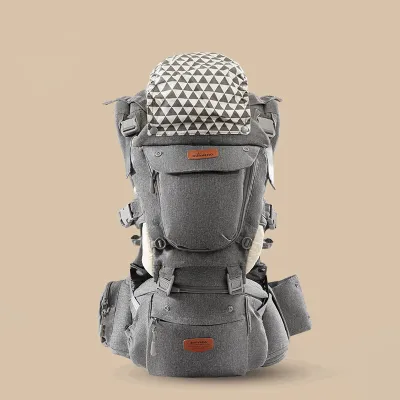
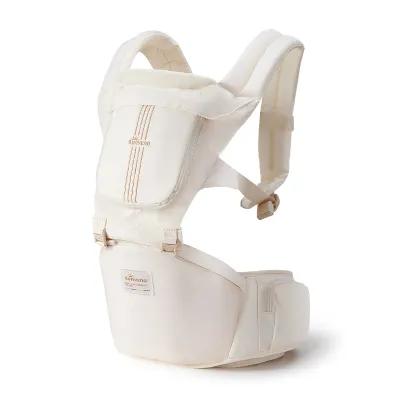
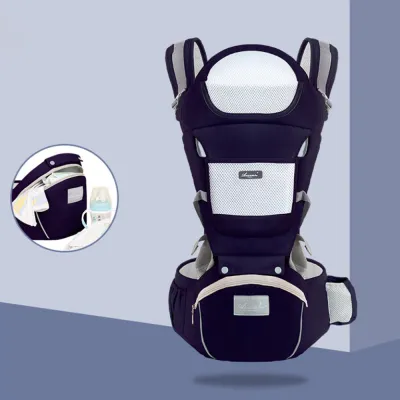
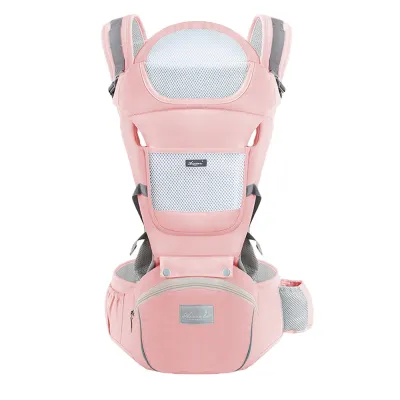
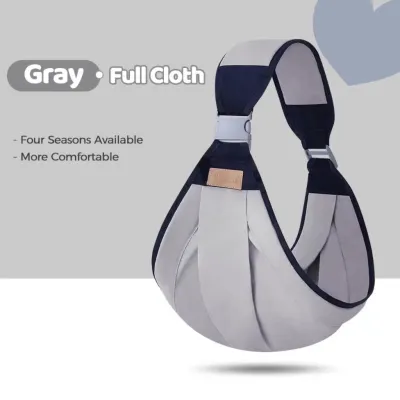



Prices are valid at publication and may change. Please refer to the product page for the latest price.
Every baby carrier model has unique structural limits that dictate when and how it can be used safely. You must consult the manufacturer’s instruction manual to verify the specific weight, age, and height requirements for your exact model. Some structured carriers require a specialized infant insert for younger babies, while others have adjustable seat widths that must be customized to your baby’s size. Never assume a carrier is suitable for your baby based solely on their age; weight and developmental milestones, such as head control, are the critical factors you must verify.
Preparing your baby for the carrier involves choosing the right clothing to prevent overheating, which is a common concern in tropical environments. The carrier fabric acts as at least one extra layer of clothing, and your own body heat will quickly transfer to your baby. Dress your little one in lightweight, breathable fabrics like thin cotton. Avoid footed onesies, as the fabric can pull tightly against the baby’s toes when their legs are bent into the carrying position, causing discomfort or restricted circulation. Opt for footless pants or rompers instead.
Securing the Carrier on Your Body
To protect your posture and prevent chronic back pain, you must secure the carrier to your body correctly before placing your baby inside. Start by positioning the waistband or hip belt. Many caregivers make the mistake of fastening this belt too low around their hips, which causes the baby’s weight to pull forward on the lower back. Instead, fasten the waistband high on your natural waist, well above your hips. Secure the buckle and pull the strap tight enough so that the belt sits flat and firm against your body without sagging under weight.

Once the waistband is secure, slip the shoulder straps over your shoulders and adjust them to distribute the weight evenly. The straps should sit flat on the meat of your shoulders, rather than riding up against your neck or slipping down toward your upper arms. If your carrier features a chest strap or back clip, adjust its height so it sits across the middle of your shoulder blades. This clip keeps the shoulder straps from spreading apart and ensures the load is shared across your entire upper back.
Before you introduce your baby to the carrier, perform a quick stability check on the empty setup. Walk a few steps, bend your knees, and gently pull down on the front panel. The waistband should remain firmly in place on your torso without tilting forward, and the shoulder straps should feel snug and balanced. If the carrier shifts or feels loose while empty, tighten the straps further. Taking these few moments to calibrate the empty carrier prevents you from having to make awkward, unsafe adjustments while supporting a wriggling infant.
Positioning Your Baby for Airway and Hip Health
When placing your baby into the carrier, their physical development must guide their positioning. The most critical ergonomic factor for their lower body is the “M” shape, also known as the spread-squat position. In this position, the baby’s knees must sit higher than their bottom, and their thighs should spread wide around your torso. The seat of the carrier must support the baby’s thighs from knee crease to knee crease. If the seat is too narrow, the baby’s legs will dangle straight down, placing excessive pressure on their developing hip joints and increasing the risk of hip dysplasia.
Airway safety is the absolute priority when positioning your baby’s upper body. An infant’s neck muscles are weak, and if their head slumps forward, their chin can press against their chest, potentially restricting their breathing. To prevent this, always position your baby high enough on your chest so that their head is “close enough to kiss” simply by tipping your head forward. Their neck should be straight, and their chin should be lifted slightly away from their chest, maintaining a clear space of at least two fingers’ width.
Continuous monitoring is essential for safe babywearing, which means your baby’s face must remain completely visible and uncovered at all times. Ensure that no fabric from the carrier, your clothing, or a sun hood blocks their nose and mouth. When wearing a wrap or a ring sling, make sure the excess fabric is tucked away and not bunched around the baby’s face. You should be able to look down at any moment and clearly see your baby’s eyes, nose, and mouth to verify they are breathing comfortably and are not in distress.
Verifying the Fit and Making Final Adjustments
Once your baby is in the carrier, you must perform a series of active checks to confirm the fit is safe and comfortable for both of you. Begin with the chin-to-chest check. Gently slide two of your fingers under your baby’s chin. If your fingers do not fit easily, or if you feel the baby’s chin pressing hard against their chest, slide your hand into the carrier, lift their bottom slightly, and adjust their torso so their spine curves naturally and their head rests gently against your chest in a slightly extended position.
Next, evaluate your own posture in front of a mirror. Stand naturally and observe your profile. If you find yourself leaning backward, arching your lower back, or rounding your shoulders forward to support the weight, the carrier is not adjusted correctly. This compensation usually indicates that the shoulder straps are too loose or the waistband is positioned too low. Tighten the straps gradually until your baby’s center of gravity is close to your own, allowing you to stand completely upright with a neutral spine.
Finally, check both you and your baby for immediate signs of physical discomfort. Look closely at your baby’s legs and thighs; if you notice deep red marks or skin indentations from the fabric edges, the seat width or leg openings may need adjustment, or the fabric may be bunched up. For yourself, pay attention to any localized pinching on your shoulders or a dull ache in your lower back. If you experience discomfort within the first few minutes of wearing, take the baby out, readjust the straps, and try again, as minor fit issues will quickly amplify during longer walks.
Recognizing Unsafe Practices and When to Stop
While babywearing is highly beneficial, certain practices can compromise your baby’s safety and should be avoided. One common mistake is placing an infant in an outward-facing position before they are developmentally ready. Facing outward requires the baby to support their own head and neck against the movement of your body. If they lack sufficient core strength, their spine can slump, compressing their airway. Additionally, outward-facing positions make it much harder to maintain the ergonomic “M” shape, often forcing the baby’s legs into an unhealthy dangling position.
You must remain highly sensitive to signs of distress, overheating, or fatigue. In hot weather, keep a close eye on your baby’s skin temperature. If their neck or chest feels hot and damp to the touch, or if they develop flushed cheeks or show signs of extreme fussiness, they may be overheating. Take the baby out of the carrier immediately, move to a cooler or air-conditioned space, and offer a feed to keep them hydrated. Caregiver fatigue is also a signal to stop; if your muscles feel exhausted, your balance can be compromised, increasing the risk of trips or falls.
Knowing when to retire a carrier or seek professional guidance is vital for long-term safety. If you notice any structural damage to the carrier—such as a cracked buckle, a torn strap, or a failing zipper—stop using it immediately. Do not attempt temporary home repairs on load-bearing parts. If you have persistent doubts about your baby’s positioning, if they seem constantly uncomfortable, or if you have concerns regarding their hip development, consult a pediatrician or a certified babywearing educator. These professionals can provide personalized guidance tailored to your baby’s physical needs.
Frequently Asked Questions (FAQ)
Can I use a baby carrier for a newborn?
Yes, you can use a baby carrier for a newborn, but you must take specific precautions to ensure their safety. First, verify that your newborn meets the absolute minimum weight requirement specified by the carrier’s manufacturer, which is often around 3.2 kilograms (approximately 7 pounds). Newborns lack head and neck control, meaning the carrier must provide firm, structured support up to the back of their head without covering their face.
Avoid any carrier or insert that forces a newborn’s legs to stretch straight down or spreads their hips too wide prematurely. For very young infants, a soft wrap or a carrier with an adjustable, narrow seat is often ideal because it respects their natural, tucked fetal position. Always ensure their airway remains completely clear, their chin is off their chest, and their face is fully visible to you at all times.
How long can my baby stay in the carrier at one time?
There is no single, universal time limit for babywearing, but you should prioritize regular breaks based on your baby’s comfort and developmental needs. As a general guideline, it is best to take your baby out of the carrier every 60 to 90 minutes. These breaks allow you to check their diaper, offer a feeding, and let them stretch their limbs and move freely on a flat surface, which is crucial for their motor development.
In warm, humid conditions, you may need to take breaks more frequently to prevent heat rash and dehydration. Pay close attention to your baby’s cues; if they become restless, sweaty, or fussy, it is time to take them out. As your baby grows older and develops stronger head and core control, they may tolerate longer stretches in the carrier, but regular physical breaks remain essential for their comfort and your own muscle recovery.

Community discussion
Share your experience or ask a question. Comments are reviewed before publication.