
Selecting a safe baby carrier for newborn infants requires prioritizing specialized physical support over aesthetics or convenience. Because newborns lack the muscle strength to hold up their heads and possess highly pliable skeletal systems, an ordinary carrier designed for older babies can pose serious physical risks. A truly safe baby carrier for newborn use must provide structural stabilization for the head and neck, accommodate the natural curved shape of the infant spine, and support healthy hip development.
In tropical climates like the Philippines, safety also depends on temperature regulation. Caregivers must evaluate the carrier’s materials to prevent dangerous heat buildup while ensuring the structural design allows for continuous airway monitoring. By understanding how an infant’s physiology dictates carrier design, you can confidently choose a model that keeps your baby secure, comfortable, and anatomically aligned.
Why Newborns Require Specialized Carrier Support
Newborns are physically vulnerable in ways that older infants are not. During the first few months of life, a baby’s musculoskeletal system is in a rapid state of development. They lack the neck muscle strength to support the weight of their own head, leaving them entirely dependent on external support to keep their airway open.
Products mentioned in this guide
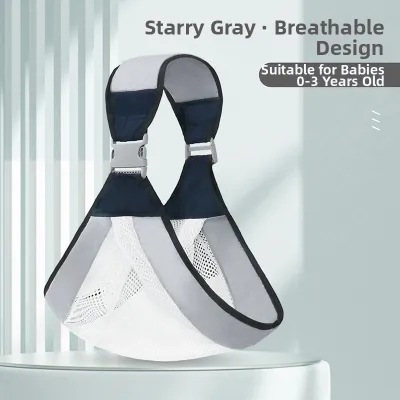
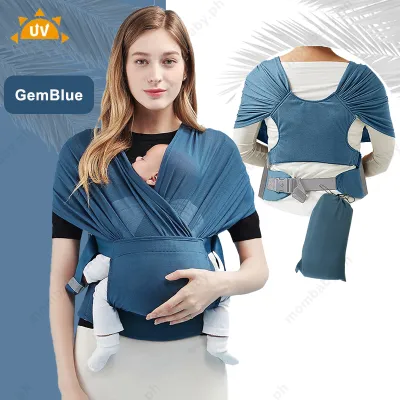
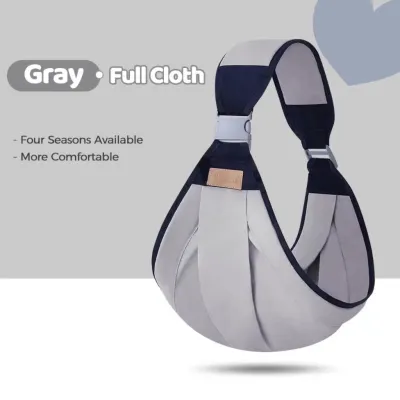
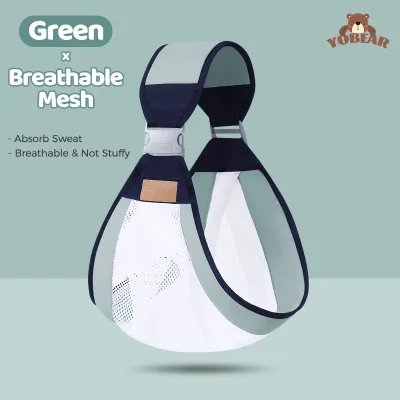
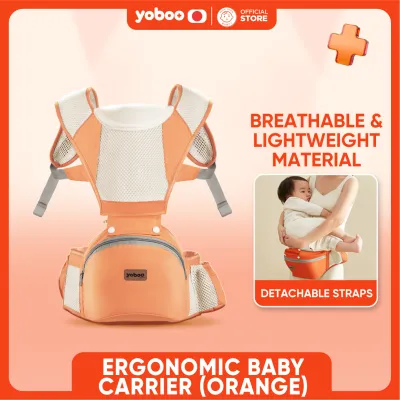
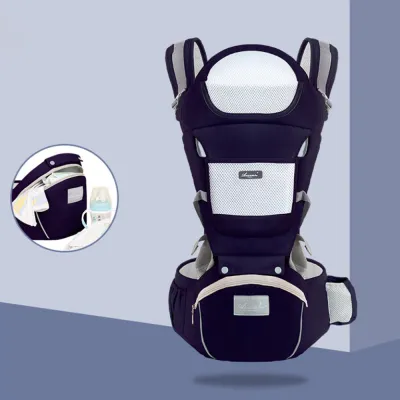

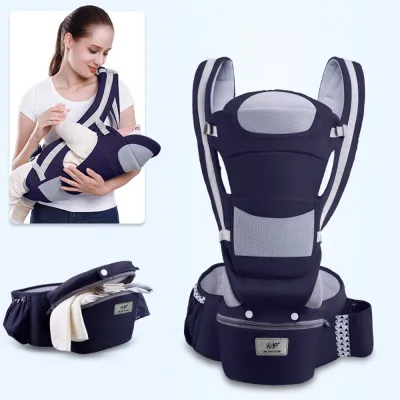
Prices are valid at publication and may change. Please refer to the product page for the latest price.
Additionally, a newborn’s spine does not have the adult “S” curve. Instead, it features a continuous, gentle “C” curve that must be preserved to prevent undue pressure on the developing vertebrae. Their hip joints are also primarily composed of soft cartilage rather than hard bone, making them highly susceptible to joint strain or dislocation if forced into an unnatural position.
Because of these physiological realities, standard carriers designed for older infants are often unsuitable for newborns. Evaluating any carrier requires looking past generic age recommendations and inspecting the physical design to ensure it respects and protects these fragile anatomical structures.
Verifying Head, Neck, and Spine Support in a Baby Carrier for Newborn Safety
When evaluating a baby carrier for newborn use, the upper body support features are your first line of defense. The structural elements of the carrier must physically prevent the baby’s head from slumping forward or sideways, while simultaneously cradling the spine without forcing it into a rigid, straight line.

Ensuring Adequate Head and Neck Stabilization
To protect a newborn’s fragile neck, look for a carrier with a high, structured back panel or an integrated, adjustable headrest. This support should extend up to the middle of the baby’s ears, providing a firm yet cushioned barrier that prevents the head from tilting backward or rolling to the side. However, the panel must never cover the baby’s face entirely, as this can restrict fresh air circulation.
Airway protection is the single most critical safety rule when carrying a newborn. A baby’s chin must never be allowed to slump onto their chest, as this position can compress their narrow airway and restrict breathing. When inspecting a carrier, check for adjustable straps or toggles near the neck area that allow you to customize the tightness. This ensures the fabric snugly supports the base of the skull, keeping the head upright and the chin elevated.
Always consult the manufacturer’s manual to verify how to adjust these neck supports as your baby grows. Many high-quality carriers feature foldable neck cushions that can be buttoned down once the infant develops reliable head control.
Protecting the Natural "C" Spine Curve
An infant’s spine naturally curves outward in a shape resembling the letter “C.” A safe newborn carrier must conform to this shape rather than forcing the spine to straighten prematurely. Stiff, flat, or overly rigid back panels can press against the baby’s back, flattening the natural curve and placing harmful pressure on the delicate spinal column.
Instead, look for carriers made from flexible, high-quality woven fabrics, soft cotton canvas, or supple wraps that gently hug the infant’s back. The material should be taut enough to prevent the baby from slumping inside the carrier, yet flexible enough to stretch slightly over the rounded contours of their spine. When the baby is positioned correctly, you should observe a smooth, continuous curve from the neck down to the tailbone.
Checking for Hip-Healthy Design and Leg Positioning
Healthy hip development is another critical factor when selecting a baby carrier for newborn infants. Improper leg positioning can cause the ball of the hip joint to slip out of its socket, increasing the risk of hip dysplasia.
To prevent this, the carrier must support the ergonomic “M” position, also known as the “froggy” position. In this alignment, the baby’s knees are spread wide, bent comfortably, and positioned higher than or level with their hips. This position distributes the baby’s weight evenly across the thighs and buttocks, minimizing the mechanical stress placed on the developing hip joints.
To achieve this position, the carrier must provide knee-to-knee seat support. The fabric base of the seat should extend all the way to the hollow behind the baby’s knees, preventing the legs from dangling straight down. If the seat is too narrow, the legs will hang vertically, pulling the hip joint downward and putting excessive pressure on the hip sockets.
When shopping, look for manufacturer labels indicating that the product has been evaluated or acknowledged by recognized hip dysplasia institutes. While these labels are helpful indicators of ergonomic design, you should always verify the claims yourself by checking the product manual and physically testing the seat width to ensure it supports your baby from knee crease to knee crease.
Choosing Breathable Materials for Tropical Weather
Using a baby carrier in the hot, humid climate of the Philippines introduces unique thermal challenges. Because newborns cannot regulate their body temperature as efficiently as adults, they are highly susceptible to heat rash, dehydration, and overheating when held closely against a caregiver’s warm body.
To mitigate this risk, prioritize lightweight, highly breathable fabrics. Materials such as 3D performance mesh, natural linen, and lightweight cotton weaves allow air to circulate freely between you and your baby, helping to dissipate body heat. Avoid carriers with thick, heavy padding or synthetic, non-breathable polyester linings, as these act as insulation and trap heat.
When babywearing in tropical conditions, keep a close eye on your baby’s physical state. Look for observable signs of overheating, which include:
- Flushed or hot skin on the cheeks, chest, or back
- Damp hair or sweating, especially where their body meets yours
- Rapid, shallow breathing
- Unusual lethargy or fussiness
If you notice any of these signs, find a cool, shaded area immediately. Remove your baby from the carrier, offer fluids if appropriate, and let their body temperature normalize before attempting to wear them again.
Evaluating Carrier Types for Newborn Suitability
Baby carriers generally fall into two main categories: fabric-based wraps and structured carriers. Both options can be safe for newborns, but they feature very different designs, adjustment mechanisms, and learning curves.
Stretchy Wraps and Slings
Stretchy wraps and ring slings are highly popular for early infancy because they offer a custom, snug fit. Because they consist of long pieces of fabric wrapped directly around your body, they naturally conform to your newborn’s unique shape, easily supporting the natural “C” spine curve and the ergonomic “M” hip position. Wraps typically cost between ₱800 and ₱2,500, making them an accessible entry point for many families.
However, wraps require a significant learning curve to tie correctly and safely. Caregivers must practice getting the tension right; if the wrap is too loose, the fabric can sag, causing the baby to slump and potentially compromising their airway. Additionally, stretchy fabric can loosen gradually over the course of a walk, requiring you to constantly monitor the baby’s position and re-tighten the wrap as needed.
Before purchasing a wrap, check the manufacturer’s specified weight limits. Because the fabric is elastic, stretchy wraps tend to sag under heavier weights, meaning they often lose their supportive qualities once your baby reaches 7 to 9 kg.
Soft Structured Carriers (SSCs)
Soft Structured Carriers (SSCs) utilize straps, buckles, and padded waistbands to distribute the baby’s weight. They are highly convenient and quick to put on, but not all SSCs are safe for newborns out of the box. Standard structured carriers often feature wide seats and tall panels designed for older babies, which can swallow a newborn and cause dangerous slumping.
To use an SSC safely with a newborn, you must determine whether the model requires a separate infant insert or features a built-in adjustable seat. Infant inserts are padded cushions that boost the baby higher inside the carrier and narrow the seat, ensuring proper airway clearance and hip positioning. Newer, fully adjustable SSCs allow you to narrow the seat fabric and shorten the panel using snaps, velcro, or sliders, eliminating the need for an extra insert.
Always check the product label for the minimum weight requirement before placing your baby in an SSC. Most structured carriers require a minimum weight of 3 to 3.5 kg (approximately 7 to 8 lbs). Never use a standard, non-adjustable SSC for a newborn if they do not meet these minimum weight and size specifications, as they risk slipping through the leg openings or suffocating within the wide panel.
Performing Essential Safety Checks Before Every Use
No matter which style of carrier you choose, performing a safety check before every use is non-negotiable. A helpful and widely recognized framework for this is the T.I.C.K.S. rule, which provides a quick, memorable checklist for safe babywearing:
- T – Tight: The carrier must be adjusted tightly enough to hold your baby snugly against your chest. Any loose fabric will allow the baby to slump, which can restrict their breathing.
- I – In view at all times: You should always be able to see your baby's face simply by looking down. The fabric of the carrier or wrap must never cover their eyes, nose, or mouth.
- C – Close enough to kiss: Your baby's head should be positioned high up on your chest. You should be able to easily kiss the top of their head just by tipping your chin forward.
- K – Keep chin off chest: Ensure there is always a gap of at least one to two fingers' width under your baby's chin. This prevents airway obstruction.
- S – Supported back: The carrier should hold the baby's back securely in its natural "C" curve, preventing them from slumping or curling into a ball.
Before heading out, perform a quick visual and physical sweep. Slide your hand inside the carrier to ensure the baby’s hips are deeply seated in the “M” position, check that the nose and mouth are completely clear of fabric, and verify that all buckles, rings, or knots are fully secure.
Finally, remember that babywearing is not suitable for every situation. If your baby was born prematurely, had a low birth weight, has respiratory issues, or suffers from a medical condition affecting their muscle tone, do not use a carrier without first consulting your pediatrician or a qualified healthcare professional. Always prioritize your baby’s unique medical needs and developmental stage over convenience.
Frequently Asked Questions (FAQ)
Can I use a standard carrier for a newborn without an insert?
No, you should not use a standard, non-adjustable carrier for a newborn without an approved infant insert. Standard carriers are designed for older babies with wider hip spans and better head control. Using them without an insert can cause a newborn to slump down, obstructing their airway, or force their legs into an unnatural, non-ergonomic position. Always check the manufacturer’s guidelines to see if your specific model requires an insert for infants under a certain weight or age.
How long can a newborn safely stay in a carrier at one time?
While there is no single universal time limit, pediatric experts generally recommend taking your newborn out of the carrier every 1 to 2 hours. Frequent breaks allow you to check their diaper, feed them, monitor their temperature, and let them stretch their limbs on a flat surface. During use, you must continuously monitor your baby’s airway, breathing, and skin temperature to ensure they remain safe and comfortable.
What is the typical minimum weight requirement for newborn carriers?
For standard baby carriers, the typical minimum weight requirement ranges from 3 to 3.5 kg (approximately 7 to 8 lbs). While some specialized stretchy wraps and newborn-specific carriers are rated for lower weights, you must always verify the exact weight thresholds printed on your specific product’s safety label or user manual before use.
Community discussion
Share your experience or ask a question. Comments are reviewed before publication.