
Using a shoulder carrier for your baby offers a wonderful way to keep your little one close while keeping your hands free for daily tasks. However, achieving a safe, supportive, and comfortable carry requires a solid understanding of how to position both the carrier and your baby. When worn correctly, a shoulder carrier distributes your baby’s weight evenly across your back and shoulder, keeping them in an ergonomically sound position that supports their developing hips and spine. Conversely, improper positioning can lead to physical strain for you and serious safety hazards for your baby.
In warm and tropical environments like the Philippines, mastering the use of a shoulder carrier also involves managing temperature and air circulation. High humidity and heat mean you must pay extra attention to fabric choices, clothing, and overall airflow to prevent your baby from overheating. By focusing on proper alignment, secure adjustments, and regular safety checks, you can enjoy the convenience of babywearing while ensuring your baby remains safe, cool, and comfortable.
Pre-Use Safety Checks and Preparation
Before you attempt to put on your shoulder carrier or place your baby inside, it is essential to perform a thorough safety inspection of the gear. Check the fabric for any signs of wear, such as thinning material, fraying edges, or ripped seams. If your carrier uses rings, buckles, or snaps, inspect these components closely to ensure there are no cracks, bends, or structural weaknesses. Even a small tear or a slightly damaged buckle can compromise the integrity of the carrier under the weight of a baby, so never use a carrier that shows signs of damage.
Products mentioned in this guide
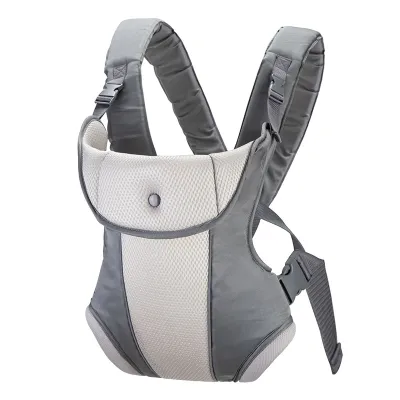
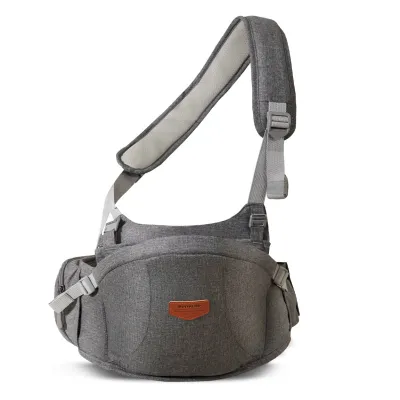
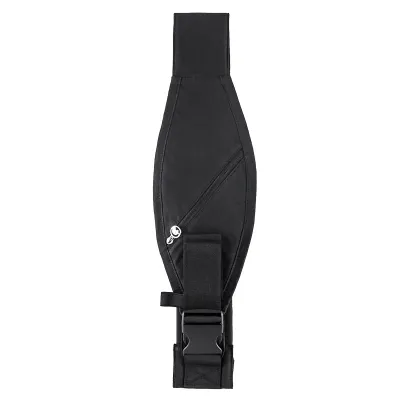
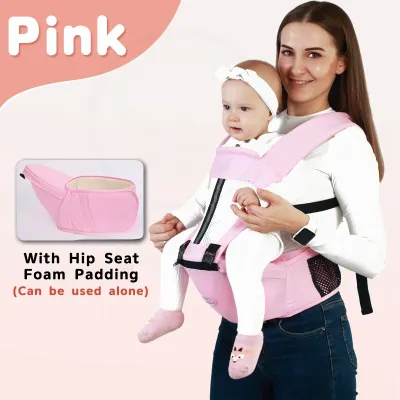
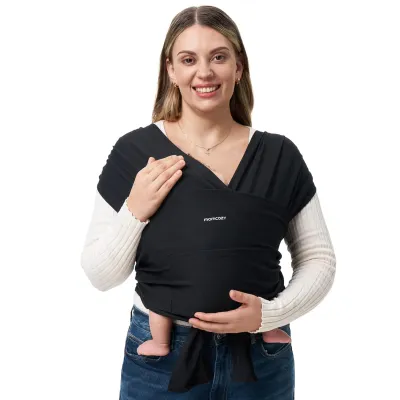

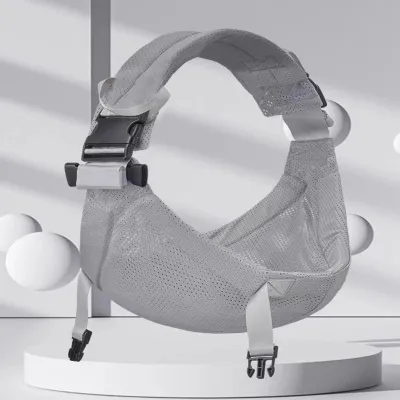
Prices are valid at publication and may change. Please refer to the product page for the latest price.
Next, verify that your baby meets the physical requirements for the specific carrier you plan to use. Always consult the manufacturer’s label and instruction manual to check the minimum and maximum weight limits, as well as any developmental milestones required for safe use. Do not assume that a carrier is suitable based on your baby’s age alone; physical size, weight, and head control are the critical factors. If the manufacturer’s documentation is missing or unclear, contact the brand directly or consult a certified babywearing educator before proceeding.
Preparing your baby’s outfit is another crucial step, particularly in hot and humid climates. Dress your baby in lightweight, breathable clothing made from natural fibers like cotton or bamboo. Avoid bulky outfits, heavy footies, or multiple layers, as these can interfere with the proper fit of the carrier’s harness and make it difficult to position the baby’s legs correctly. Additionally, bulky clothing can trap excess heat, increasing the risk of overheating when combined with your shared body heat.
Step-by-Step Guide to Wearing a Shoulder Carrier
Putting on a shoulder carrier and securing your baby may feel unfamiliar at first, but with practice, it quickly becomes second nature. For your safety and peace of mind, always practice these steps over a soft surface, such as a bed or a sofa, or have another adult nearby to assist you until you feel completely confident in your technique.

Positioning the Carrier on Your Body
To begin, drape the carrier’s fabric over one shoulder, choosing whichever side feels most natural and comfortable for you. Spread the material wide across your shoulder cap and upper back rather than letting it bunch up near your neck. Spreading the fabric wide is essential for proper weight distribution, as it prevents the carrier from digging into your neck muscles and causing localized strain.
Adjust the bottom hem of the carrier so that the main pouch sits at the correct height on your torso before you introduce your baby. For most carriers, the bottom of the pouch should rest around your belly button or waist level. If the carrier is positioned too low on your body, your baby will sit too low, which pulls your shoulders forward and puts unnecessary strain on your lower back.
If you are using a ring sling, position the rings high on your shoulder, near your collarbone. Thread the tail of the fabric through both rings, then back over the top ring and under the bottom ring, ensuring the fabric is spread evenly across the rings without twisting. This preparation creates a secure, adjustable pouch that is ready to receive your baby while allowing you to make fine adjustments easily once they are in place.
Placing Your Baby in the Carrier
Hold your baby securely against your shoulder opposite the carrier, ensuring you support their head, neck, and back with your hand at all times. Gently slide your other hand up through the bottom of the carrier fabric to meet your baby’s feet. Carefully guide their legs through the fabric, lowering their bottom into the pouch while keeping a firm, supportive grip on their body.
Ensure the fabric of the carrier extends fully from one knee crease to the other, supporting the entire length of your baby’s thighs. This wide base of support is critical because it allows your baby’s bottom to sink deeply into the fabric, creating a secure seat rather than allowing their legs to dangle straight down. The fabric should support their weight from knee to knee, keeping their hips in a naturally flexed position.
Once your baby’s bottom is securely seated, pull the top edge of the fabric up over their back, smoothing out any wrinkles. The material should fit snugly against their back, reaching up to their shoulder blades or the back of their neck depending on their age and head control. Tighten the carrier by pulling the fabric or the sling’s tail sections systematically, ensuring there is no loose fabric that could allow your baby to slump or slip out of position.
Verifying Safe Baby Positioning and Airway Clearance
Once your baby is in the carrier, you must verify that they are positioned safely and ergonomically. A helpful way to remember the essential safety checks is by applying the widely recognized TICKS rule, which outlines the key standards for safe babywearing.
- Tight: The carrier must be adjusted snugly enough to hold your baby close to your body. Any slack or loose fabric can cause your baby to slump down, which can restrict their airway and strain your back.
- In view at all times: You should always be able to see your baby's face simply by looking down. The fabric of the carrier should never cover their face, and you should not have to move fabric aside to check on them.
- Close enough to kiss: Your baby should be positioned high enough on your chest that you can easily kiss the top of their head by simply tipping your head forward.
- Keep chin off the chest: Ensure there is a visible gap of at least one finger-width between your baby's chin and their chest. If their chin is pressed against their chest, it can close off their airway, making it difficult or impossible to breathe.
- Supported back: The carrier should support your baby's back in its natural, gently curved shape. A snug fit ensures they do not slump or lean to one side.
In addition to the TICKS rule, you must ensure your baby’s hips are positioned in the healthy “M-position,” also known as the froggy position. In this position, your baby’s knees should be higher than their bottom, and their thighs should spread comfortably around your torso. This alignment supports healthy hip development and reduces the risk of hip dysplasia. Never allow your baby’s legs to hang straight down, as this places excessive strain on their developing hip joints.
Airway clearance is the most critical safety factor when using any baby carrier. A baby’s neck muscles are weak, and if they slump, their heavy head can easily fall forward, pressing their chin against their chest and blocking their airway. Ensure their face is completely clear of the carrier fabric, your clothing, and your skin. Frequently monitor your baby’s face, skin color, and breathing patterns; their breathing should be regular and unobstructed, and their skin should look natural, not pale or bluish.
If you notice your baby’s head has slumped forward, or if their face is pressed against your body, immediately support their weight, loosen the carrier slightly, reposition their head so their chin is up, and retighten the carrier securely. Continuous supervision is required at all times while your baby is in the carrier.
Adjusting for Parent Comfort and Weight Distribution
Carrying a baby can be physically demanding, but proper adjustments can significantly reduce the risk of muscle strain, fatigue, and back pain. The key to parent comfort when using a single-shoulder carrier is maximizing the surface area over which the baby’s weight is distributed.
Ensure the fabric of the carrier is spread flat and wide across your shoulder cap and upper back. If the fabric bunches up into a narrow band, it will act like a tight strap, digging into your shoulder muscles and neck, which can quickly lead to tension headaches and shoulder pain. By spreading the material wide, you distribute the load across your entire shoulder and upper back, making the weight feel much lighter.
Keep your baby positioned high and close to your center of gravity. When your baby is positioned high on your chest, their weight is integrated with your own body alignment, allowing you to stand up straight. If the carrier stretches or sags, lowering the baby toward your waist, their weight will pull your upper body forward, forcing your lower back muscles to overcompensate and leading to lower back strain.
Because a shoulder carrier places the weight on one side of your body, it is highly recommended to alternate shoulders regularly. If the carrier design is reversible and your baby is comfortable with the transition, switch sides between carrying sessions. Alternating shoulders helps prevent muscle imbalances, gives your neck and shoulder muscles a chance to rest, and reduces overall fatigue, especially during longer carrying periods.
Recognizing Unsafe Signs and When to Stop
While babywearing is a convenient and nurturing practice, you must remain vigilant and recognize when it is time to stop and make immediate adjustments or discontinue use. Safety must always take priority over convenience.
Stop using the carrier and remove your baby immediately if you observe any of the following warning signs:
- Your baby's chin is resting on their chest, or their nose and mouth are covered by fabric or your body.
- Your baby is making grunting, snoring, or labored breathing sounds.
- Your baby's skin appears flushed, hot, or sweaty, or they show signs of lethargy, which can indicate overheating.
- The carrier's fabric, rings, or buckles show any signs of slipping, tearing, or failing to hold their tension.
It is also important to recognize the physical limitations of shoulder carriers. Because they distribute weight asymmetrically across one shoulder, they are generally not designed for prolonged use, strenuous physical activities, or long walks. If you plan to walk long distances or if your baby has grown heavier and more active, a single-shoulder carrier may no longer provide adequate support or comfort for either of you.
When your baby approaches the maximum weight limit specified by the manufacturer, or if you begin to experience persistent back, neck, or shoulder discomfort, it is time to transition to a structured two-shoulder carrier. Soft-structured carriers or wrap carriers that distribute weight evenly across both shoulders and your hips are much better suited for heavier babies and longer carrying durations. Always consult the manufacturer’s guidelines to verify safe usage parameters and weight limits.
Frequently Asked Questions (FAQ)
At what age can I start using a shoulder baby carrier?
Readiness for a shoulder carrier depends heavily on the specific design of the carrier and your baby’s physical development. Many ring slings can be used with newborn babies, provided they meet the manufacturer’s minimum weight requirement (often around 3.2 kg or 7 lbs) and can be positioned safely with clear airways. Other types of shoulder carriers may require the baby to have full head and neck control before use. Always check the manufacturer’s official instructions and labels for precise age and weight guidelines. If your baby was born prematurely, had a low birth weight, or has underlying health conditions, consult your pediatrician before using any carrier.
How do I prevent my baby from overheating in a shoulder carrier?
To prevent overheating in warm and humid climates like the Philippines, choose a carrier made from lightweight, breathable, natural fabrics such as linen or thin woven cotton, which allow air to circulate. Dress both yourself and your baby in single, light layers of clothing, keeping in mind that your shared body heat acts as an extra layer. Regularly check your baby’s temperature by feeling the back of their neck or chest; if their skin feels hot or damp with sweat, take them out of the carrier to cool down. Limit your outdoor carrying time during the hottest parts of the day, seek air-conditioned or shaded areas, and ensure both you and your baby stay well-hydrated.

Community discussion
Share your experience or ask a question. Comments are reviewed before publication.