
Wearing a baby carrier sling wrap properly involves securing the fabric snugly around your body to create an ergonomic seat that supports your newborn’s natural posture. By mastering a few fundamental wrapping techniques, you can keep your baby safe, calm, and close to your chest while keeping your hands free. In warm and humid tropical climates like the Philippines, choosing a breathable fabric and ensuring a correct fit are essential steps to prevent overheating and maintain comfort for both you and your little one.
Preparing Your Sling Wrap for a Safe Fit
Before you even pick up your baby, you must prepare the wrap and your environment. Start by reading the manufacturer’s label to check the specific weight limits, age recommendations, and fabric care instructions. Every brand has unique specifications, and verifying these details ensures your baby is within the safe usage range.
Next, perform a physical inspection of the entire length of the wrap. Spread the fabric out under good lighting to look closely for any signs of wear, such as tears, loose threads, frayed edges, or weakened seams. If you notice any structural damage, do not use the wrap, as even a small tear can compromise the safety of the carrier under the baby’s weight.
Products mentioned in this guide
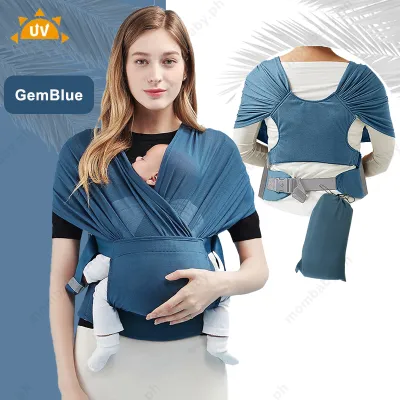
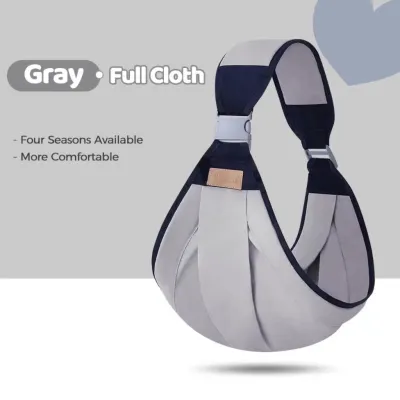

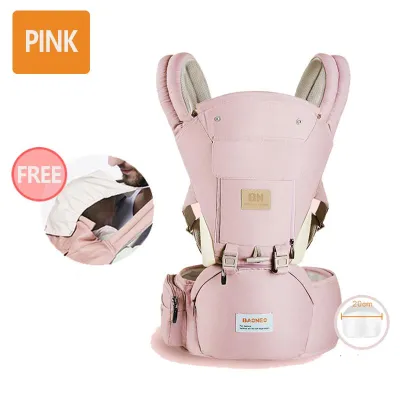
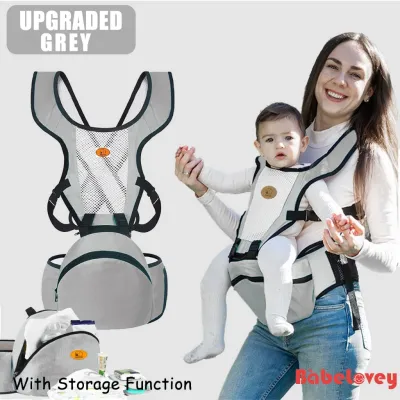

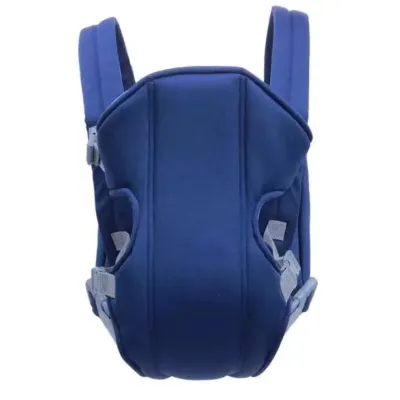
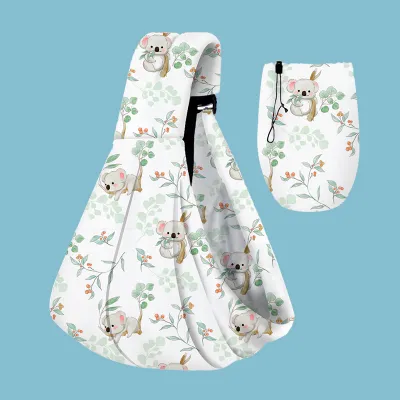
Prices are valid at publication and may change. Please refer to the product page for the latest price.
Practice the wrapping steps without your baby first. Choose a safe, flat, and uncluttered area in your home, such as a carpeted floor or next to a bed. Practicing the sequence with a doll or a rolled-up towel helps you build muscle memory and confidence before you attempt to secure your newborn.
Core Safety Rules for Newborn Positioning
Newborn safety in a sling wrap relies on strict adherence to physical positioning principles. The most critical rule is maintaining clear airway visibility. Your baby’s face must always remain visible to you, with no fabric covering their nose or mouth. Ensure their chin is pointed slightly upward and off their chest, as a chin tucked down toward the chest can restrict their airway and make breathing difficult.

The second principle is supporting hip-healthy development. When placed in the wrap, your baby’s hips and knees should form an “M” shape, also known as the froggy position. This means their knees should be positioned slightly higher than their bottom, with the thighs spread around your torso. This natural alignment supports the proper development of the hip joints and prevents hip dysplasia.
Finally, you must apply adequate fabric tension. The wrap needs to be tight enough to hold your baby snugly against your body in an upright position. If the fabric is too loose, your baby may slump down, which can curve their spine excessively and chin-tuck their head, creating a serious breathing hazard. The wrap should feel like a supportive second skin, distributing the baby’s weight evenly without restricting their chest expansion.
Step-by-Step Framework for Wrapping
While you must always defer to the specific instructions provided by your wrap’s manufacturer, a general step-by-step framework can help you understand the basic mechanics of wrapping. Start by finding the center marker of the fabric, which is usually indicated by a label. Place this center point against your chest or abdomen, depending on the specific carry style you are using.
Bring the two long tails of the fabric behind your back, cross them over to form an “X,” and bring them back over your shoulders to the front. This creates the initial pouch or cross-support structure that will hold your baby. Ensure the fabric lies flat across your back and shoulders without twisting, which helps distribute the weight comfortably and prevents the material from digging into your skin.
Once the structure is prepared, carefully lift your baby and place them against your shoulder. Slide one leg at a time through the fabric passes, ensuring you continuously support their head, neck, and spine with one hand. Gently lower your baby into the fabric seat, spreading the material from knee crease to knee crease to support their entire bottom and thighs.
With your baby positioned, pull the fabric tails to tighten the wrap section by section, starting from the inside edge and working your way out. Cross the tails under your baby’s bottom, wrapping them under their legs to secure the “M” position. Tie a secure double knot at your waist, hip, or back, depending on the length of your wrap. The final knots, tucks, or rings must be fully secured to distribute the baby’s weight evenly across your shoulders, back, and hips.
Verifying Your Baby's Position and Comfort
After securing the wrap, you must perform a series of physical checks to confirm a safe and comfortable fit. The first check is the height test. Your baby should be positioned high on your chest, close enough for you to easily kiss the top of their head simply by tipping your chin down. If your baby is positioned too low, the wrap is too loose and needs to be retied higher.
Next, run your fingers along the fabric to check for pressure points. Feel for any fabric bunching behind your baby’s knees, neck, or back. The material should be smooth and spread evenly to prevent localized pressure that could cause discomfort or restrict blood circulation. Ensure the fabric supports the back of the knees without cutting into the skin.
In the warm, tropical climate of the Philippines, monitoring your baby’s temperature is vital. The wrap acts as an extra layer of clothing, and the close body heat between you and your baby can quickly lead to overheating. Check your baby’s neck or chest to ensure they feel warm but not hot or sweaty. Dress your baby in lightweight, breathable cotton clothing, and avoid heavy layers when using the wrap. If your baby shows signs of overheating, such as flushed cheeks or rapid breathing, remove them from the wrap immediately to cool down.
Fixing Common Wrapping Mistakes
Even experienced caregivers occasionally make mistakes when using a baby sling wrap. One of the most common issues is loose fabric, which allows the baby to shift, sag, or slump downward over time. If you notice your baby’s position changing as you walk, you must untie the knot, pull the excess slack through the shoulder passes, and retighten the wrap to restore a secure fit.
Another frequent complaint is shoulder discomfort, which occurs when the fabric passes dig into the wearer’s neck or slip off the shoulders. To fix this, spread the fabric wider across your shoulders to distribute the weight over a larger surface area. Keeping the fabric flat and untwisted across your back also prevents localized strain on your muscles.
Most importantly, you must be able to recognize signs of distress or improper positioning that require immediate action. If your baby is fussing persistently, has their face pressed flat against your chest, or shows any signs of restricted breathing, do not attempt to adjust the wrap while they are inside. Immediately unwrap and remove your baby from the carrier, ensure their airway is clear, and reposition them only when they are calm and you can guarantee a safe, correct fit.
Frequently Asked Questions (FAQ)
Can I use a stretchy sling wrap for a back carry?
Stretchy sling wraps are generally designed only for front carries due to the natural elasticity of the fabric. When a baby is carried on your back, you cannot monitor their airway or positioning visually, and the stretch of the fabric can allow a baby to lean back or slip out of the secure position. Always verify back-carry suitability strictly through your specific manufacturer’s guidelines, and use a structured or woven carrier if you plan to carry your baby on your back.
How do I know if the wrap is too tight or too loose?
You can determine if the wrap is adjusted correctly by performing a simple space and movement check. To check if it is too tight, slide two fingers easily between the fabric and your baby’s chest; they should have enough room to breathe deeply without the fabric restricting their chest expansion. To check if it is too loose, gently lean forward while supporting your baby with your hand; if your baby’s body pulls away from your chest or slumps downward, the wrap is too loose and must be retied tighter.

Community discussion
Share your experience or ask a question. Comments are reviewed before publication.