
To verify the Beaba official store and ensure you are buying authentic weaning tableware and cups, you must look for verified platform badges (like “Mall” or “Official Store”), cross-reference store links with the brand’s official regional channels, and inspect physical packaging upon delivery. Feeding babies in a tropical climate like the Philippines requires high-quality, food-grade materials that can withstand frequent sterilization and high humidity. Ensuring your baby’s weaning spoons, suction bowls, and straw cups are genuine is critical for safety and durability.
Why Authenticity Matters for Baby Weaning Products
When your baby transitions to solid foods, the safety of their feeding gear is just as important as the quality of the ingredients you prepare. Genuine weaning products are manufactured under strict quality control standards, utilizing food-grade silicone and BPA-free plastics. These materials are specifically designed to be chemically stable, ensuring they do not leach harmful substances into warm purees or breast milk.
In contrast, unverified or counterfeit items often bypass these rigorous safety checks. Unauthorized manufacturers may use industrial-grade plastics, cheap colorants, or chemical plasticizers that can degrade rapidly. When exposed to the high temperatures of steam sterilizers or boiling water, these substandard materials can release toxins, posing potential health risks to your developing infant.
Products mentioned in this guide
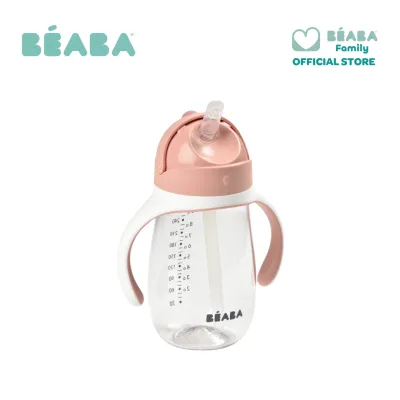
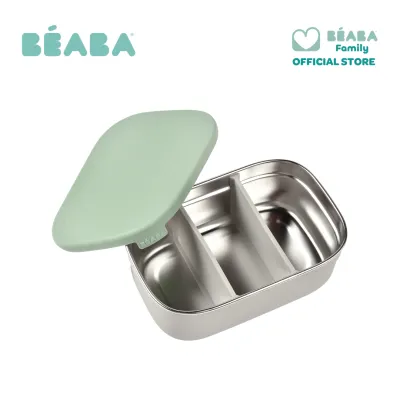
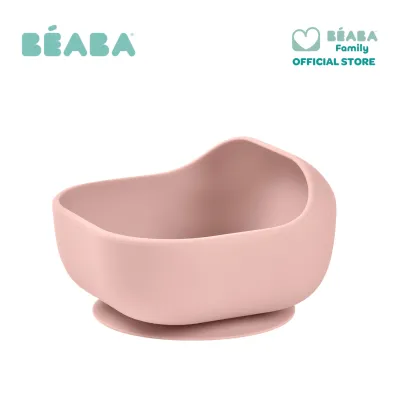
Prices are valid at publication and may change. Please refer to the product page for the latest price.
The tropical climate of the Philippines adds another layer of concern. High humidity and ambient heat can accelerate the degradation of low-quality plastics, leading to sticky surfaces or micro-cracks where bacteria and mold can easily accumulate. Authentic weaning items are engineered to withstand these environmental factors, maintaining their structural integrity and hygienic properties over months of daily use and washing.
Purchasing from an official store also guarantees access to manufacturer warranties and reliable after-sales support. If a suction base fails to stick to your high chair or a cup lid develops a manufacturing defect, the official distributor can provide a replacement or a solution. Unauthorized third-party sellers rarely offer such policies, leaving you with useless items and no recourse.
Furthermore, genuine packaging clearly displays age, weight, and developmental stage guidelines. These recommendations are crucial for matching the product to your baby’s physical capabilities. Using a cup or spoon that does not align with your child’s developmental stage can lead to feeding difficulties or choking hazards, making authentic, accurately labeled products essential.
How to Identify the Official Beaba Store on E-commerce Platforms
Navigating online marketplaces requires a critical eye to distinguish authorized brand representatives from unauthorized resellers. Major e-commerce platforms in the Philippines use specific verification systems to help shoppers identify legitimate brands. Look for prominent badges such as “Mall,” “Official Store,” or “Preferred Seller” tags that indicate the storefront has submitted legal business documentation and brand authorization letters to the platform.

However, badges alone should not be your only line of defense. Always cross-reference the storefront’s URL or profile link with the brand’s official global or regional website. Legitimate brands typically maintain a “Where to Buy” or “Authorized Retailers” page that links directly to their official e-commerce stores. If the store link on the marketplace does not match the official directory, proceed with caution.
Evaluating store policies and customer service responsiveness is another effective way to verify legitimacy. Official stores adhere to standardized return and refund conditions, often matching the brand’s global satisfaction guarantees. Try sending a message to the store’s customer service chat; genuine representatives should be highly responsive, professional, and capable of answering detailed questions about product specifications, care instructions, and warranty terms.
Be highly skeptical of third-party sellers offering unusually low prices. While official stores run seasonal promotions and holiday sales, a price that seems too good to be true—such as a premium silicone suction set sold at a fraction of its standard retail price—is a strong indicator of a counterfeit product. These unauthorized listings often use stolen stock photos, lack detailed product specifications, and omit original branding in their descriptions.
Additionally, check the seller’s overall rating and read customer reviews carefully. Look for detailed feedback from other parents, paying close attention to photos of the actual items received. If multiple reviews mention flimsy packaging, strong chemical odors, or products that do not match the advertised images, avoid purchasing from that seller.
Physical and Packaging Checks for Genuine Beaba Items
Once your order arrives, conducting a thorough physical inspection of the packaging and the product itself is the next crucial step. Authentic weaning items are packaged in sturdy, high-quality boxes with crisp, clear printing. The text should be free of spelling errors, grammatical mistakes, or blurry graphics. Look for original manufacturer labels, barcodes, and batch codes printed directly on the box or on a professionally applied sticker.
Next, examine the physical components of the tableware or cup. Genuine silicone and plastic items feature molded or engraved brand logos rather than cheap printed stickers or easily peeled decals. Run your fingers along the edges of the silicone; authentic products have smooth, seamless finishes without rough plastic flashing or sharp edges that could irritate your baby’s sensitive gums.
Genuine products also lack any strong, unpleasant chemical odors. High-quality, food-grade silicone is naturally odorless. If you open the package and notice a strong plastic or chemical smell, it may indicate the use of industrial-grade materials or unsafe curing agents, suggesting the product is not authentic.
Verify that the included instruction manuals match the specific product model you purchased. Authentic manuals are printed on quality paper and contain comprehensive safety warnings, care instructions, and cleaning guidelines. They will clearly outline the approved sterilization methods, temperature limits, and dishwasher safety guidelines for that specific item.
It is important to understand that no single visual feature guarantees authenticity on its own. Sophisticated counterfeiters can replicate boxes, logos, and even holographic stickers. Therefore, you must always combine these physical checks with prior store verification to ensure the item is completely safe for your baby.
Steps to Take If You Suspect a Counterfeit Product
If you complete your physical inspection and suspect that the weaning tableware or cup you received is counterfeit, you must act quickly to protect your child and secure a refund. First and foremost, immediately stop using the product. Do not use it for feeding, storing baby food, or serving warm liquids, as unverified materials may leach harmful chemicals when heated or washed.
Next, document the product and its packaging thoroughly. Take clear, well-lit photos and videos from multiple angles, focusing on the suspicious areas such as blurry printing, misaligned logos, rough seams, or the lack of manufacturer markings. Be sure to capture the shipping label, the outer mailing box, and any included inserts or receipts.
Once you have gathered your evidence, contact the e-commerce platform’s dispute resolution center. File a formal return or refund request, selecting the option for receiving a counterfeit or incorrect item. Upload your documented photos and videos along with a clear explanation of why you believe the product is fake, referencing the discrepancies you found.
Finally, reach out to the brand’s official customer support channel to report the unauthorized seller. Provide them with the store name, the product link, and your order details. Reporting these listings not only helps the brand take legal action to remove dangerous counterfeits from the market but also allows their team to verify if your item’s batch code is legitimate.
Frequently Asked Questions (FAQ)
Can I rely solely on a holographic sticker to verify a Beaba product?
No, you should not rely solely on a holographic sticker. While some regions use security seals, counterfeiters can easily replicate stickers and holographic patterns. Always prioritize verifying the store’s official status on the e-commerce platform and checking the overall physical quality of the packaging and product.
Does the official store offer replacement parts for weaning cups?
Yes, official stores typically provide access to genuine spare parts, such as replacement straws, valves, lids, or silicone seals. Unauthorized third-party sellers rarely offer these individual components, meaning you might have to discard an entire cup if a single part is lost or damaged.

Community discussion
Share your experience or ask a question. Comments are reviewed before publication.