
Buying formula milk online offers unmatched convenience for busy parents, but it also introduces the risk of purchasing counterfeit products. When sourcing milk powder for your child, ensuring authenticity is a critical step in protecting their health and development. While major brands like Lactum, Nido, NAN, and Enfagrow are widely available on various e-commerce platforms, navigating these digital marketplaces requires a vigilant eye. Knowing how to verify that you are purchasing from a genuine official store, and understanding how to inspect the product upon arrival, can help you feed your child with peace of mind.
Understanding the Risks of Counterfeit Milk Powder
Unregulated or counterfeit milk products pose severe health and nutritional risks to infants and growing children. Unlike legitimate manufacturers who adhere to strict food safety regulations, counterfeiters operate in unsanitary environments without quality control. This lack of oversight can lead to contamination with harmful bacteria, heavy metals, or industrial chemicals, which can cause acute gastrointestinal distress, infections, or long-term developmental issues. Furthermore, fake milk powder often lacks the essential vitamins, minerals, and proteins required for your child’s specific growth stage, potentially leading to malnutrition.
For infants and toddlers, whose digestive and immune systems are still developing, the quality of their primary nutrition is paramount. Genuine manufacturers invest heavily in sterile packaging facilities, precise ingredient formulation, and rigorous batch testing to ensure every scoop is safe and consistent. When a seller offers these premium products at unusually low prices—such as discounts that seem too good to be true—or when the seller is unauthorized, it should serve as an immediate red flag. Saving a few pesos is never worth risking your child’s well-being, making it essential to prioritize authorized distribution channels.
Products mentioned in this guide
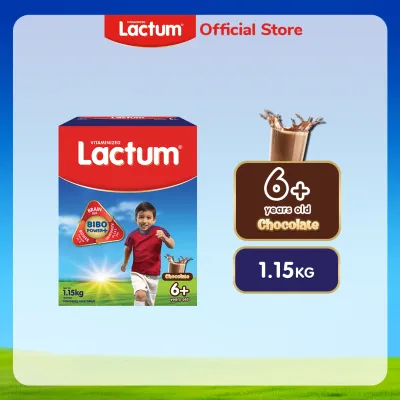
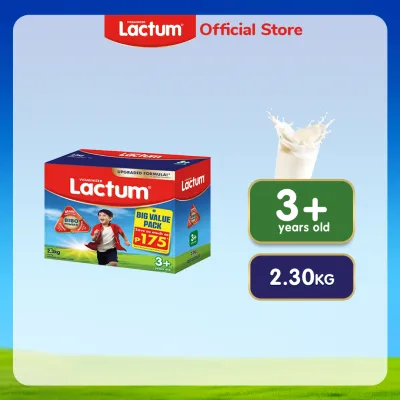
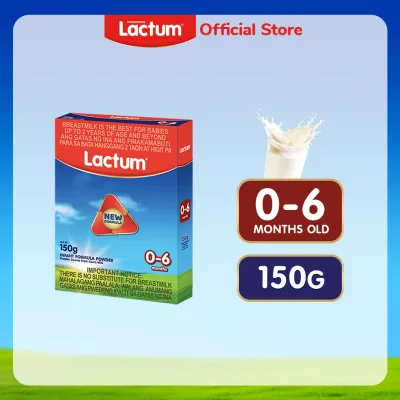
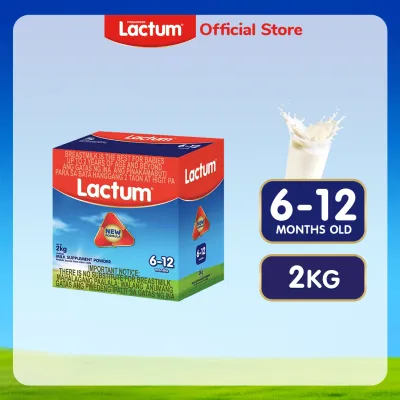
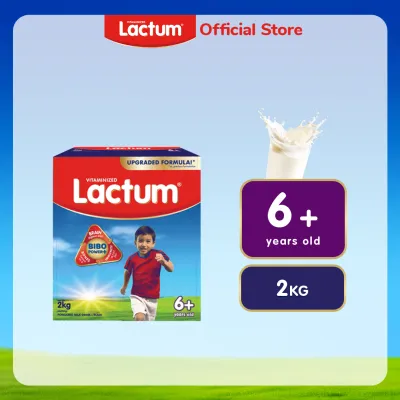
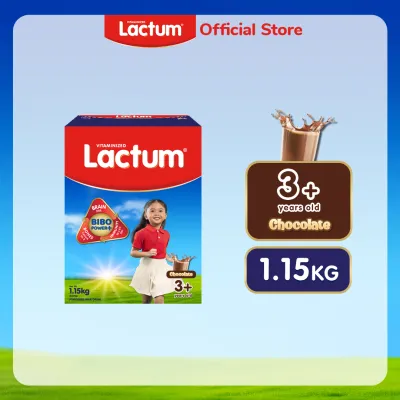
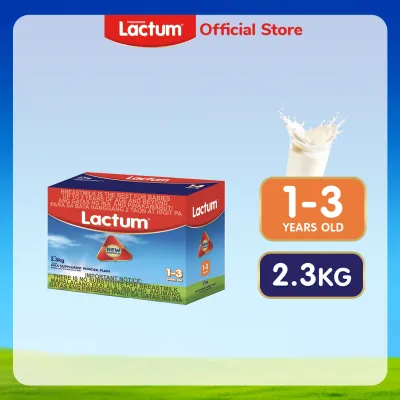
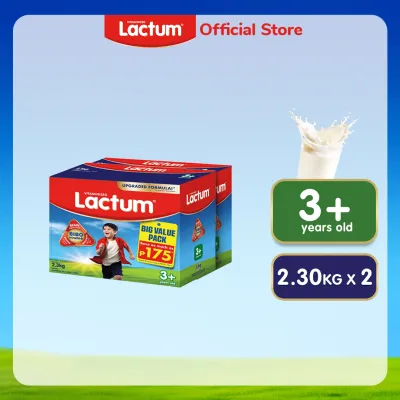
Prices are valid at publication and may change. Please refer to the product page for the latest price.
How to Identify Genuine Official Stores Online
To safeguard your purchase, you must verify the legitimacy of the online store before adding any milk powder to your cart. Major e-commerce platforms in the Philippines feature specific verification badges, such as “Mall” or “Official Store” tags, which indicate that the platform has vetted the seller’s business registration and brand authorization. When searching for a “lactum official store” or official outlets for Nido, NAN, and Enfagrow, look for these prominent badges on the store’s homepage and product listings. These badges are generally reserved for authorized distributors or the brand manufacturers themselves, providing a primary layer of security.

Beyond looking at badges, take the time to review the store’s detailed business profile and operational history. Legitimate official stores typically display clear business registration details, comprehensive return and refund policies, and professional customer service response rates. If you send an inquiry about batch codes or expiration dates, an official store should provide a prompt, clear, and knowledgeable response. Conversely, unauthorized sellers often provide vague answers, have high rates of unfulfilled orders, or feature return policies that make it difficult to dispute a compromised delivery.
Additionally, compare the online store’s product lineup, product images, and promotional banners with the manufacturer’s official local website. Official stores maintain consistent branding, high-resolution imagery, and accurate product descriptions that align with the manufacturer’s current packaging designs. If you notice outdated logos, pixelated images, or product names that do not match the official brand portfolio, exercise extreme caution. Genuine distributors also align their promotions with official brand campaigns, so highly unusual bundles or pricing structures that deviate drastically from standard retail rates should be questioned.
Inspecting Your Milk Powder Upon Delivery
Your verification process does not end when the package is delivered to your doorstep. Conducting a systematic physical inspection of the milk powder before opening the container is a crucial step in ensuring the product is authentic and safe for consumption. During your inspection, also verify that the age or development stage, weight range, and preparation instructions printed on the label match your child’s current needs, as feeding requirements change rapidly. Always verify the ingredients, safety standards, and any active product recalls directly from the manufacturer’s official channels before preparing the formula. If you notice any signs of damage, tampering, or inconsistent packaging, you should immediately stop the inspection, reject the package from the courier if possible, or contact the seller and the e-commerce platform’s customer support to initiate a return.
Packaging and Security Seals
The external packaging of the milk powder is your first line of defense against counterfeit or tampered goods. For brands like Lactum, Nido, NAN, and Enfagrow, check that the outer shrink wrap is tight, uniform, and free from punctures or resealing marks. Inspect the plastic lids for intact safety tabs, click-mechanisms, or tear-away strips that must be broken to open the container. The inner foil seal beneath the lid must be completely taut, securely adhered to the rim of the tin or box, and free from any pinholes, glue residue, or uneven sealing edges that suggest manual repackaging.
Pay close attention to the print quality on the outer container. Genuine manufacturers use advanced, high-precision printing technology that results in sharp text, vibrant colors, and clear, legible batch codes and expiration dates. Counterfeit packaging often exhibits blurry text, faded colors, or misaligned labels. The expiration date and batch code should be clearly stamped—often on the bottom of the tin or the back of the box—and should not show signs of being scraped off, altered, or printed over. If you notice mismatched fonts or labels that look hastily glued onto the container, do not use the product.
Powder Texture, Color, and Smell
Once you have verified the external packaging and opened the container, perform a sensory check of the milk powder itself. In the tropical climate of the Philippines, high humidity can naturally cause minor, loose clumping if the container is left open, but fresh, authentic powder should easily crumble under light pressure. Look closely for any hard clumping, unusual discoloration, or visible foreign particles. The powder should have a consistent, uniform color—typically a pale cream or light yellow, depending on the specific brand and formulation.
Next, assess the smell of the powder. Authentic milk powder has a mild, pleasant, and distinctly milky scent characteristic of the brand’s formulation. Any off-odors, such as a metallic, chemical, or rancid smell, are strong indicators of spoilage, contamination, or counterfeit ingredients. While minor texture variations can occasionally occur between manufacturing batches due to seasonal milk sourcing, drastic changes in appearance or a foul odor warrant immediate caution. If the powder does not look or smell right, do not feed it to your child; instead, keep the product sealed and contact the manufacturer’s consumer care line for guidance.
What to Do If You Suspect You Received Fake Milk
If you suspect that the milk powder you received is counterfeit or compromised, your immediate priority must be your child’s safety. Stop feeding the product to your child immediately, even if they have already consumed a portion of it without showing symptoms. Monitor your child closely for any adverse physical reactions, such as vomiting, diarrhea, unusual fussiness, or skin rashes. If you observe any concerning symptoms, consult a qualified pediatrician or healthcare professional right away to ensure your child receives appropriate medical attention.
Next, document the suspicious product thoroughly to build a strong case for a return or investigation. Take clear, high-resolution photos and videos of the entire package, focusing on the outer box, shipping label, security seals, batch codes, expiration dates, and the condition of the powder itself. Keep all original packaging materials, including the shipping box and bubble wrap, as these may contain tracking labels or seller markings that are useful for verification.
With your documentation ready, initiate a return or refund request through the e-commerce platform’s buyer protection program before the return window closes. Clearly state your concerns regarding product authenticity and upload your photo and video evidence. Additionally, report the suspicious seller listing directly to the platform’s customer support team to prevent other parents from purchasing potentially unsafe products. For further verification, you can also contact the brand’s local consumer care hotline in the Philippines, providing them with the batch code and seller details to help them track down unauthorized distributors.
Frequently Asked Questions (FAQ)
Can I trust an online store if it has high ratings and positive reviews?
While high ratings and positive reviews are generally encouraging, they should not be your sole criteria for authenticity. Some unauthorized sellers manipulate feedback by using automated accounts, offering incentives for five-star ratings, or selling genuine products initially to build a positive reputation before switching to counterfeit stock. To protect your purchase, look beyond the overall star rating and read individual reviews carefully, focusing on detailed feedback that includes actual photos of the delivered product. Always cross-reference the store’s credentials, ensuring it carries the platform’s official verified badge, rather than relying only on user-generated reviews.
What should I do if the batch code on the tin does not match the outer box?
If the batch code printed on the individual tin or inner pouch does not match the batch code on the outer cardboard box, this is a strong indicator of repackaging, tampering, or counterfeit assembly. Genuine manufacturers maintain strict quality control, ensuring that all packaging components for a single unit share identical batch and tracking codes. If you discover a mismatch, do not break the inner safety seal of the milk container. Reject the delivery if you notice it immediately, or document the discrepancy and request an immediate refund through the e-commerce platform’s buyer protection program, as mismatched codes compromise the traceability and safety of the product.

Community discussion
Share your experience or ask a question. Comments are reviewed before publication.