
Ensuring the authenticity of your baby’s formula milk is one of the most critical steps in safeguarding their health and development. With the rise of online shopping on various ecommerce platforms in the Philippines, counterfeit products have unfortunately become a real concern for parents. To protect your infant, you must learn how to verify seller credentials online and perform rigorous physical inspections of the packaging once the product arrives.
Navigating online marketplaces requires a blend of digital literacy and physical vigilance. This guide outlines how to identify authorized channels, recognize platform-specific official store markers, and conduct thorough safety checks on delivered products. By establishing a strict verification routine, you can confidently purchase genuine formula milk that meets the highest safety standards.
Understand the Risks of Counterfeit Formula Milk
Counterfeit formula milk bypasses all strict manufacturing, hygiene, and quality control standards that legitimate brands adhere to. Legitimate manufacturers operate under sterile conditions, utilizing precise formulations to ensure that every batch contains the exact balance of nutrients required for an infant’s growth. When counterfeiters replicate these products, they do so in unregulated, often unsanitary environments without any oversight.
Products mentioned in this guide
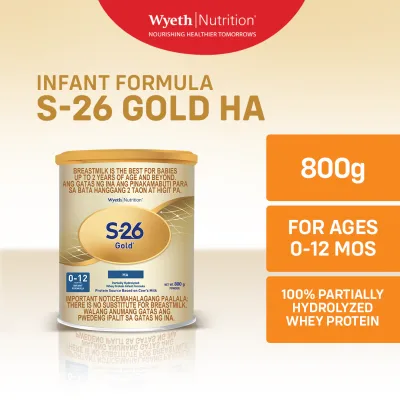
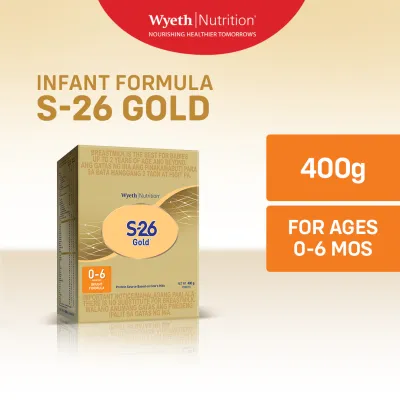
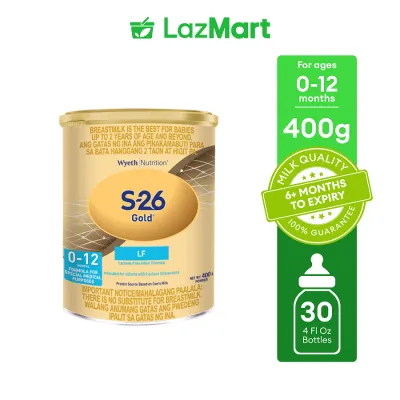
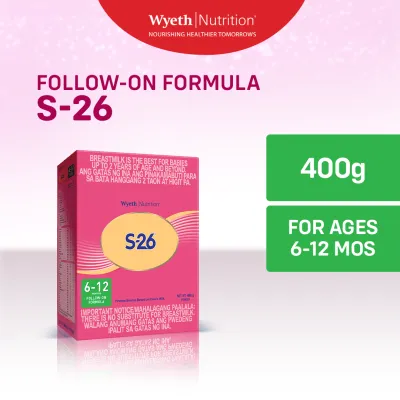
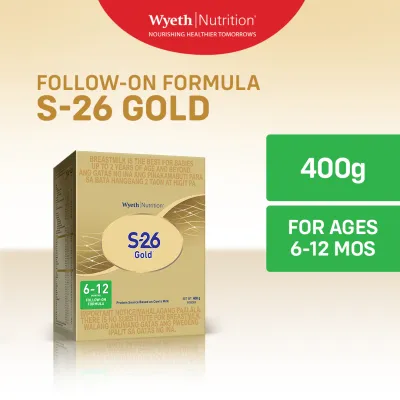
Prices are valid at publication and may change. Please refer to the product page for the latest price.
The nutritional risks associated with fake formula are severe and can lead to long-term developmental issues. Counterfeit products often contain improper nutrient ratios, missing essential vitamins, or unauthorized fillers like starch and sugar. In some cases, these sub-standard mixtures can cause acute malnutrition, as the infant is not receiving the vital proteins, fats, and minerals necessary for their age and development stage.
Contamination is another critical hazard when dealing with unverified formula milk. Unsanitary production facilities can easily introduce harmful bacteria, heavy metals, or chemical contaminants into the powder. Because an infant’s digestive and immune systems are still developing, exposure to contaminated formula can cause severe gastrointestinal illness, dehydration, or systemic infections that require immediate medical intervention.
Counterfeiters frequently target popular or premium brands because of their high market demand and premium pricing. This makes constant vigilance essential for caregivers, regardless of how reputable the brand name appears on the box. Infant health relies entirely on the integrity of the supply chain, making unauthorized products an unacceptable risk.
How to Identify a Legitimate Official Store Online
When shopping on online marketplaces, your first line of defense is identifying verified seller badges. Look for platform-specific markers such as “Official Store,” “Mall,” or “Preferred” badges next to the seller’s name. These indicators show that the ecommerce platform has verified the seller’s business registration, tax documents, and direct authorization from the brand manufacturer.

To ensure you are purchasing from a genuine source, cross-reference the online store’s details with the brand’s official website. Authorized manufacturers often maintain a directory of verified online retailers and official flagship stores. If you are searching for the SJG official store, verify that the store link or seller ID matches the official list provided on the manufacturer’s verified website or official social media channels.
Evaluate the store’s performance metrics, including its overall rating, follower count, and operational history. A legitimate official store typically boasts a high rating, a substantial number of followers, and a history of consistent sales over several months or years. Be highly suspicious of stores that have only been active for a few weeks, yet display unusually high sales volumes or offer steep discounts on premium formula.
Examine customer reviews with a critical eye, focusing on detailed feedback rather than simple star ratings. Look for reviews that include clear photos and videos of the delivered product, paying close attention to comments about packaging quality, batch codes, and scoop colors. Be wary of reviews that use repetitive phrasing, generic praise, or machine-translated text, as these can be indicators of fabricated feedback designed to boost a fraudulent seller’s rating.
Review the store’s customer service responsiveness and return policies before making a purchase. Official stores generally employ trained customer service representatives who can answer specific questions about product expiration dates, batch numbers, and storage conditions. Furthermore, verified stores adhere to clear, platform-backed return policies, allowing you to return products if there is any suspicion of tampering or damage during transit.
Inspect the Packaging: Authentic vs. Counterfeit Signs
Once your formula milk is delivered, conduct a meticulous physical inspection of the packaging before opening the container or preparing a feed. Start by examining the print quality, color accuracy, and spelling on both the outer box and the inner tin label. Authentic packaging features sharp, high-resolution text, consistent brand colors, and perfectly aligned logos, whereas counterfeit packaging often displays blurry text, faded colors, or spelling mistakes.
Check the safety seals, tear strips, and tamper-evident rings to ensure they are completely intact. For tin cans, inspect the metal lid and the plastic cap for proper alignment and a secure vacuum seal. A bulging lid, a loose plastic cap, or a broken safety seal indicates that the product may have been tampered with, exposed to air, or improperly stored, making it unsafe for consumption.
Verify the batch number, manufacturing date, and expiry date printed on the packaging. These details are typically stamped on the bottom of the tin or the back of the box using a distinct inkjet printing method that does not smudge when rubbed. Ensure that these dates match exactly across all layers of packaging, including the outer cardboard shipping box, the retail box, and the inner foil pouch or tin.
Consult the manufacturer’s official website to identify specific, up-to-date security features designed to prevent counterfeiting. Many premium brands incorporate advanced security elements such as holograms, color-shifting ink, or unique QR codes that can be scanned to verify authenticity. Always check the specific product documentation to verify the correct age range, development stage, and preparation instructions, as counterfeit packaging may display outdated or incorrect feeding guidelines.
What to Do If You Suspect You Received Fake Formula
If you suspect that the formula milk you received is counterfeit, stop using the product immediately. Do not feed it to your child under any circumstances, even if the physical differences seem minor. Your child’s safety is the absolute priority, and continuing to use a compromised product poses severe health risks.
Document the evidence thoroughly by taking clear, well-lit photographs and videos of the suspected product. Capture the packaging from multiple angles, focusing on blurry print, misaligned labels, broken seals, and the printed batch numbers. Keep the original shipping box, the invoice, and any digital purchase receipts, as these will be required for platform disputes and brand investigations.
Contact the ecommerce platform’s dispute resolution center immediately to report the seller and initiate a refund request. Provide your documented photos, videos, and purchase details to support your claim. Reporting the fraudulent listing promptly helps the platform take down the unauthorized seller, protecting other parents from purchasing dangerous counterfeit goods.
Reach out to the brand’s official customer service department to report the suspected counterfeit product and verify the batch details. The manufacturer can confirm whether the batch number is genuine and investigate the unauthorized supply chain. If your child has consumed any of the suspected formula and shows signs of illness, stop use immediately and consult a qualified pediatrician or healthcare professional.
Frequently Asked Questions (FAQ)
Can I trust a seller if the formula milk price is significantly lower?
An unusually low price is one of the most common warning signs of counterfeit, tampered, or near-expiry formula milk. While official stores may offer occasional promotions, bundle discounts, or seasonal sales, a price that is significantly lower than the standard retail price at authorized physical supermarkets should be treated with extreme caution. Counterfeiters often use steep discounts to quickly sell off unauthorized or compromised stock to unsuspecting buyers. Always compare the online listing price with established retail benchmarks in ₱ before making a purchase decision.
Is it safe to buy formula milk from third-party sellers without an official badge?
Purchasing infant formula from third-party sellers or independent online shops carries a much higher risk of receiving compromised or counterfeit goods. These sellers do not undergo the strict verification processes required for official brand stores, and their storage conditions may not meet the temperature and humidity standards necessary to preserve formula quality. If you must purchase from an independent seller, always request proof of purchase from an authorized distributor, check their customer feedback thoroughly, and verify that the product has been stored in a cool, dry environment.
How can I verify the batch number of my formula milk?
To verify a batch number, locate the code printed on the bottom of the tin or the back of the box. You can then contact the brand’s official customer support hotline or use the batch verification tool on the manufacturer’s official website, if available. Additionally, check the website of the local food safety authority or the manufacturer’s official channels for any active product recalls or safety notices that match your specific batch number.

Community discussion
Share your experience or ask a question. Comments are reviewed before publication.