
Using and washing bird’s eye cotton lampin is a time-tested, budget-friendly, and highly breathable diapering choice for babies, especially in tropical climates. To get the most out of these classic cloth diapers, you need to prepare the fabric for maximum absorbency, master a few secure folding techniques, and establish a consistent, residue-free washing routine. By understanding how to care for this durable material, you can keep your baby dry, comfortable, and free from diaper rash while ensuring the fabric lasts for years.
For generations, parents have relied on the simplicity of the lampin. Unlike modern disposable diapers, which trap heat and moisture, the open weave of bird’s eye cotton allows air to circulate freely. This breathability is incredibly beneficial during hot, humid days when babies are highly prone to heat rashes and skin irritation. Transitioning to cloth diapering might seem intimidating at first, but once you establish a rhythm, the process becomes second nature.
Successfully adopting cloth lampin requires a small initial investment of time to learn the basics. From the essential gear to the step-by-step washing cycles, this guide will walk you through everything you need to know to confidently use, wash, and maintain your bird’s eye cotton diapers.
Products mentioned in this guide




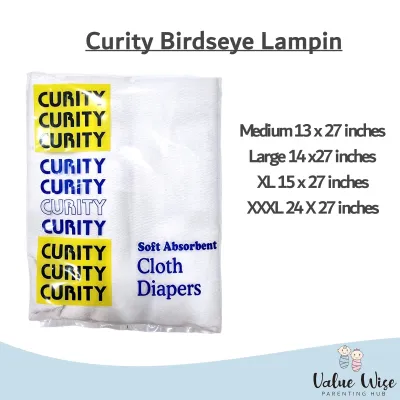
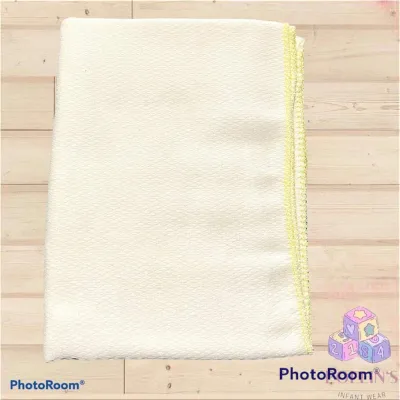

Prices are valid at publication and may change. Please refer to the product page for the latest price.
What You Need to Start Using Cloth Lampin
To build a practical and hygienic cloth diapering system, you only need a few basic tools. The foundation of your stash is the bird’s eye cotton lampin itself. This fabric is woven with a characteristic diamond pattern that creates a slightly raised texture. This unique weave increases the surface area of the cotton, allowing it to absorb liquids quickly while remaining lightweight and exceptionally fast-drying on the clothesline.
While a simple folded lampin works well for catching minor spills or for diaper-free air time, you will need a few accessories to use it as a full-time diaper. First, you need secure fasteners to hold the folded fabric in place. Traditional safety pins are a classic choice, but modern elastic diaper fasteners with tiny claws offer a quick, pinless alternative that grips the fabric securely without the risk of accidentally pricking your baby’s skin.
To make the diaper leak-proof for outings or naptime, you will also need waterproof diaper covers. These covers, typically made of breathable polyurethane laminate (PUL) or thermoplastic polyurethane (TPU), fit over the folded lampin to keep wetness from leaking onto clothing and bedding. Look for covers with adjustable snaps or hook-and-loop closures so they can grow alongside your baby.
Your laundry setup is just as important as the diapers themselves. You will need a dedicated, well-ventilated diaper pail or a breathable mesh wet bag to store soiled diapers before wash day. Air circulation is vital in tropical climates; sealing wet diapers in an airtight container traps heat and moisture, creating a breeding ground for mold, mildew, and strong ammonia odors. Finally, select a diaper-safe laundry detergent that is free from fabric softeners, optical brighteners, and heavy fragrances, which can leave a residue on the cotton fibers and reduce their absorbency.
If you are sourcing second-hand lampin or covers to save on costs, perform a thorough safety and hygiene check before use. Inspect the cotton fabric for thinning areas, tears, or frayed edges that might compromise its strength. For waterproof covers, check that the inner laminate lining is intact and not peeling, and verify that the elastics around the legs and waist still stretch and snap back firmly. Always sanitize pre-loved items with a hot wash or a diaper-safe sanitizing agent before introducing them to your baby’s routine.
How to Prep and Pre-Wash New Lampin
New bird’s eye cotton lampin cannot be used straight out of the packaging because raw cotton fibers naturally contain plant oils and waxes. During the manufacturing process, these oils remain on the fabric, causing liquids to bead up and roll off rather than soak in. To make your new diapers functional, you must prep them through a series of pre-washes to strip away these natural oils and fully open up the cotton fibers.

Prepping natural fibers requires washing the lampin multiple times before their first official use. While some synthetic fabrics only need a single wash, bird’s eye cotton typically requires three to five wash cycles to reach its peak absorbency. You do not need to dry the diapers completely between every single wash cycle, but running them through at least one drying cycle midway through the prepping process helps the cotton fibers shrink, fluff up, and lock into their final, highly absorbent shape.
To prep your new lampin, place them in your washing machine and run a standard cycle using warm water, if permitted by the manufacturer’s care label. Add a very small amount of your chosen diaper-safe detergent to the first wash to help break down the surface oils. For the subsequent prep washes, you can omit the detergent entirely and simply run plain water cycles to rinse away any remaining residues. Avoid using fabric softeners or dryer sheets during this process, as they will coat the fibers in a water-repellent film, defeating the purpose of prepping.
Once you have completed the prep cycles and dried the lampin, you should verify their absorbency before putting them on your baby. Lay a dry lampin flat on a clean table and gently pour a few drops of water onto the fabric. If the water absorbs into the cotton instantly, your diapers are fully prepped and ready for use. If the water beads up or takes several seconds to sink in, the cotton still contains natural oils and will require one or two more hot washes to become fully absorbent.
Step-by-Step Guide to Folding and Using Lampin
Folding a flat piece of cotton fabric into a functional diaper is an art that becomes incredibly easy with a little practice. Different folding techniques allow you to customize the fit and concentrate the absorbency exactly where your baby needs it most. Because babies grow rapidly and have different wetting patterns, mastering two or three basic folds will help you adapt to their changing needs.
The Origami Fold is a highly popular choice for newborns and younger infants because it creates a snug, trim fit around tiny hips while providing a thick, absorbent pad right in the center. To create this fold, lay the lampin flat, fold it in half from bottom to top, and then fold it in half again from left to right to form a square. Pull the top-right corner of the fabric out to the left to form a triangle, flip the entire diaper over, and fold the remaining square section in the middle into a neat, three-layer pad. Place your baby on the wide triangle part, pull the central pad up between their legs, and wrap the side wings over their hips to secure.
For older or more active babies, the Kite Fold offers a larger, highly adjustable shape that can easily accommodate growth spurts. Start by laying the lampin in a diamond orientation, fold the left and right corners inward so they meet along the center crease, and fold the top corner down to create a kite shape. Fold the bottom point upward to adjust the overall length of the diaper to match your baby’s rise, creating a customized fit that prevents bulkiness between the thighs.
If you have a baby boy or a tummy sleeper who tends to wet heavily in the front, the Jo Fold is an excellent alternative. This fold concentrates multiple layers of cotton at the front of the diaper while keeping the back relatively thin and trim. Experimenting with these different styles will help you determine which fold keeps your baby dry and comfortable throughout the day.
Once you have folded the lampin around your baby, secure it firmly using your chosen fastener. If you are using elastic claw fasteners, hold the fabric wings snugly across your baby’s waist, hook one side of the fastener, stretch it across to hook the other side, and then pull the center strap down to form a secure “Y” shape. If you prefer using waterproof covers, you can simply fold the lampin into a rectangular pad—often called pad folding—and lay it directly inside the cover, wrapping the entire assembly around your baby in one easy step.
Before letting your baby wiggle away, always perform a quick physical and visual fit check. Gently run your finger along the leg openings to ensure the cotton fabric is tucked neatly inside the waterproof cover; any cotton poking out will act as a wick, drawing moisture onto your baby’s clothes. Verify that you can comfortably fit two fingers between the diaper waistband and your baby’s tummy to ensure they can breathe and move without restriction. Check the leg elastics of the cover to make sure they are snug against the thigh creases without digging in or leaving deep red marks, which could indicate the diaper is too tight. Always supervise your baby closely during diaper changes to ensure they do not grab loose fasteners or pins.
Your Daily Washing and Drying Routine
Establishing a consistent daily laundry routine is the key to keeping your bird’s eye cotton lampin clean, fresh, and free from irritating residues. The way you handle soiled diapers immediately after a change plays a major role in preventing stains and odors from setting into the fabric. For wet-only diapers, simply remove them from your baby and place them directly into your ventilated diaper pail or wet bag.
Handling soiled (poopy) diapers depends entirely on your baby’s diet. If your baby is exclusively breastfed, their waste is completely water-soluble and does not need to be rinsed or scraped before washing; the washing machine can handle it easily. However, if your baby consumes formula or has started eating solid foods, the waste is no longer water-soluble. You must scrape, shake, or spray the solid waste into the toilet before placing the diaper in your storage pail to prevent heavy staining and bacterial buildup.
When it is time to wash, always use a two-step washing cycle to ensure the cotton fibers are thoroughly cleaned. The first step is a short pre-wash or rinse cycle using cold water and a minimal amount of detergent. This initial rinse flushes out the bulk of the organic waste and urine, preventing them from baking into the fabric during the main wash. Skip the spin cycle after this rinse if your machine allows, or let it spin lightly to prepare for the next step.
The second step is the main wash, which should be a long, heavy-duty cycle using warm or hot water (always verify the maximum temperature recommended by your lampin manufacturer). Add the full recommended dose of diaper-safe detergent for a heavily soiled load. The combination of hot water, adequate detergent, and the physical agitation of the machine will deeply clean the bird’s eye weave, stripping away deep-seated oils and bacteria. Ensure the machine performs a thorough final rinse to wash away all soap residues.
Drying your lampin under the tropical sun is highly recommended. Sunlight is a natural, free sanitizer and an incredibly effective bleaching agent that can fade stubborn yellow stains in just a few hours. Hang the wet lampin on an outdoor clothesline, ensuring they are spread out flat to maximize sun exposure. If you must dry your diapers indoors during the rainy season, hang them in a spacious room with excellent air circulation, and consider using an electric fan to speed up the drying process and prevent a damp, sour smell from developing in the humid air.
Troubleshooting and Long-Term Fabric Care
Even with a solid routine, you may occasionally run into common cloth diapering challenges like strong odors, liquid repelling, or fabric stiffness. If your clean lampin smell strongly of ammonia the moment your baby wets them, this is a classic sign of detergent buildup or trapped bacteria. To resolve this, run your clean diapers through multiple hot water washes without any detergent until you no longer see soap bubbles in the rinse water.
If you notice that liquids are repelling off the surface of the cotton rather than absorbing, fabric softeners or greasy diaper creams are the likely culprits. To prevent this, always avoid fabric softeners in your laundry and use a flushable liner or a reusable fleece barrier if you must apply diaper creams. If repelling has already occurred, you can restore the fabric by hand-washing the lampin with a small amount of residue-free dish soap to strip away the greasy barrier, followed by a thorough machine rinse.
In areas with hard water, line-dried cotton lampin can sometimes feel stiff or scratchy against your baby’s delicate skin. To soften them naturally, try rubbing the dry diapers vigorously against each other to break the fabric tension, or toss them into a clothes dryer on a low-heat, fluff cycle for ten minutes. Avoid using commercial fabric softeners, as they will quickly ruin the diaper’s absorbency.
To tackle stubborn stains without damaging the delicate cotton fibers, avoid harsh chlorine bleach, which can weaken the fabric over time and irritate your baby’s skin. Instead, make a gentle paste using baking soda and water, rub it directly onto the stain, and let it sit for an hour before washing. Alternatively, squeeze fresh lemon juice onto the damp stain and lay the lampin flat in direct sunlight; the natural acid combined with UV rays works wonders on organic stains.
When storing your lampin between babies or during long-term breaks, ensure they are completely dry before packing them away. Any lingering moisture will quickly lead to mold and mildew, especially in warm, humid climates. Store the clean diapers in a breathable fabric bin or a cardboard box rather than an airtight plastic container, and keep them in a cool, dry place away from direct sunlight and pests.
Frequently Asked Questions (FAQ)
Can I use regular laundry detergent for bird's eye cotton lampin?
Yes, you can use regular laundry detergent, but you must select one that is safe for cloth diapers and gentle on your baby’s skin. Avoid detergents that contain fabric softeners, optical brighteners, or heavy synthetic fragrances, as these additives leave a coating on the cotton fibers that reduces absorbency over time. Always check the manufacturer’s care label on your lampin for specific ingredient restrictions. After washing, closely monitor your baby’s skin for any signs of redness, irritation, or diaper rash; if you notice a persistent reaction, stop using the detergent immediately and consult a qualified pediatrician.
How many bird's eye cotton lampin do I need for a newborn?
A newborn baby typically requires 10 to 12 diaper changes per day, meaning your total count depends heavily on your washing frequency and local drying conditions. If you plan to wash your diapers every single day, a minimum stash of 20 to 24 lampin will give you enough clean diapers to use while the previous day’s load is drying on the line. If you prefer to wash every other day, or if you live in a highly humid area where line drying takes longer, it is best to prepare a stash of 36 to 48 lampin to ensure you never run out of clean, dry diapers.

Community discussion
Share your experience or ask a question. Comments are reviewed before publication.