
Choosing the right diapering material is one of the most impactful decisions you can make for your baby’s comfort and your family’s environmental footprint. Among the various options available to modern parents, birds eye fabric—traditionally known in many households as a staple for classic lampin—stands out as a highly reliable, time-tested choice. This specialized textile is celebrated for its unique balance of absorbency, breathability, and durability, making it a cornerstone of sustainable baby care.
For eco-conscious parents, selecting this material is not just about nostalgia; it is a practical strategy to reduce household waste while keeping a baby’s skin dry and comfortable. By understanding what makes this fabric unique, you can make informed decisions that align with both your budget and your environmental values.
Understanding the Birds Eye Weave: Structure and Key Fabric Properties
The term “birds eye” refers to a specific weaving pattern rather than a raw material. When you look closely at a piece of birds eye fabric, you will notice a small, repeating geometric pattern that resembles the eye of a bird. This diamond-shaped weave is created on a dobby loom, which raises and lowers warp threads in a precise sequence to produce a slightly raised, textured surface.
Products mentioned in this guide

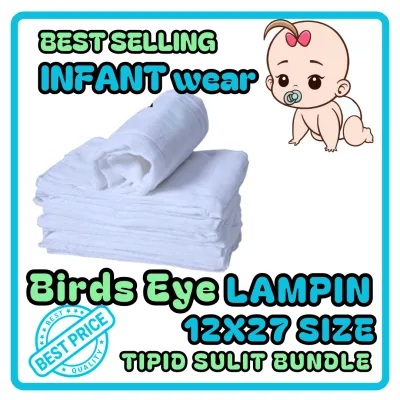


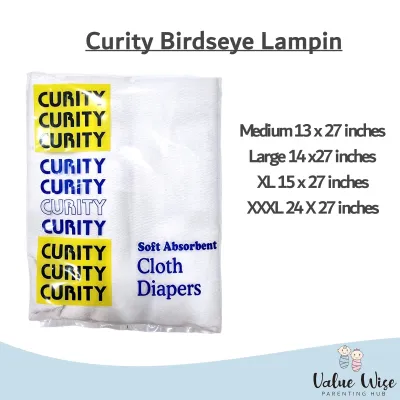

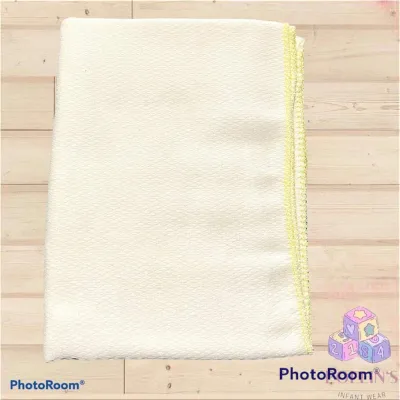
Prices are valid at publication and may change. Please refer to the product page for the latest price.
This textured structure is not merely decorative; it serves a vital functional purpose in cloth diapering. The raised diamond pattern increases the overall surface area of the fabric compared to flat-woven textiles like standard muslin or plain cotton sheets. A larger surface area allows moisture to spread quickly across the cloth, which facilitates faster absorption and prevents pooling on the surface.
When shopping for a birds eye lampin, it is essential to check the material composition label, as the weave can be executed using different fibers. The most common and highly recommended option for cloth diapering is 100% cotton, which offers excellent natural absorbency and softness. However, you may also encounter cotton-blend variations that incorporate synthetic fibers like polyester. While blends can sometimes offer increased durability or wrinkle resistance, they may reduce the fabric’s overall absorbency and biodegradability, making pure cotton the preferred choice for natural diapering.
The open nature of the dobby weave also enhances airflow through the fabric. This breathability is crucial for maintaining a comfortable microclimate inside the diaper, helping to keep the baby’s skin cool and dry. By allowing air to circulate freely, the birds eye structure naturally minimizes the warm, damp conditions that can lead to skin irritation.
Why Eco-Conscious Parents Choose Birds Eye Lampin
The environmental impact of single-use diapers is a primary driver for parents transitioning to reusable alternatives. Traditional disposable diapers can take hundreds of years to decompose in landfills, contributing significantly to municipal waste. By choosing washable birds eye lampin, families can dramatically reduce their reliance on single-use products, preventing thousands of diapers from entering the waste stream over a child’s diapering years.

Beyond waste reduction, the material itself offers environmental advantages when sourced mindfully. Pure cotton is a natural, renewable resource that is fully biodegradable at the end of its useful life, provided it has not been treated with synthetic finishes. Many eco-conscious parents seek out unbleached or organic cotton birds eye options, which are processed without harsh chemical bleaches or dyes, further minimizing the environmental footprint of their production.
Versatility is another key factor that makes birds eye fabric an economical and sustainable choice. A single flat sheet of birds eye fabric can be folded in numerous ways to serve different diapering functions. It can be used as a traditional flat diaper secured with pins or fasteners, folded into a rectangular pad to act as a prefold, or stuffed inside a pocket diaper as a highly absorbent insert. This multi-functional nature means parents do not need to purchase multiple specialized diapering systems as their baby grows, reducing overall consumption and saving thousands of ₱ over the course of their diapering journey.
Daily Diapering Performance: Absorbency, Drying, and Fit
In daily use, the performance of a cloth diaper depends heavily on how it manages moisture. Birds eye fabric excels in this area due to its textured weave, which draws liquid away from the surface and distributes it throughout the fibers. While smoother fabrics like fleece may offer a stay-dry feel by repelling moisture into an underlying layer, and muslin provides a lightweight feel, birds eye strikes a practical balance by absorbing liquid quickly and holding it securely within its cotton structure.
One of the most significant practical advantages of birds eye fabric, particularly in warm and humid tropical climates like the Philippines, is its rapid drying time. Because the weave is relatively open and lightweight, air passes through it easily during the laundering process. Whether you line-dry your diapers under the sun or use a mechanical dryer, birds eye fabric typically dries much faster than thicker, multi-layered options like heavy cotton prefolds or bamboo inserts. This quick-drying capability reduces the total number of diapers you need to keep in your rotation, as clean diapers can be returned to service much sooner.
The natural drape and flexibility of birds eye fabric also contribute to a comfortable, customized fit. Because the fabric is thin and pliable, it conforms easily to a baby’s body contours without adding unnecessary bulk between the legs. Parents can utilize various folding techniques—such as the origami fold, the kite fold, or the Jo fold—to concentrate absorbency where the baby needs it most while keeping the hips and waist trim. Referencing manufacturer folding guides can help you master these techniques to ensure a secure, leak-free fit that allows for natural movement.
Washing and Maintenance: Keeping the Fabric Absorbent
To maintain the high absorbency and structural integrity of your birds eye lampin over time, establishing a proper washing routine is essential. New cotton diapers contain natural plant oils that act as a water repellent. To strip these oils and prime the fabric for maximum absorbency, you must pre-wash the diapers several times before their first use, following the manufacturer’s specific instructions for water temperature and detergent selection.
When laundering dirty diapers, it is crucial to avoid products that can coat the cotton fibers and reduce their ability to absorb moisture. Fabric softeners, dryer sheets, and certain heavy laundry detergents containing synthetic stain repellents or optical brighteners should be avoided, as they leave a residue that causes liquid to bead up and run off the fabric rather than soak in. Always check the product labels of your detergents to ensure they are free from additives that could compromise diaper performance, and adhere to the recommended temperature limits to prevent premature wear.
Drying your birds eye diapers under direct sunlight is an excellent, energy-free method that also helps naturally bleach out minor stains. However, over time, repeated washing and drying can cause wear and tear. It is important to perform routine visual checks on your diapers, looking for signs of weave thinning, fiber pilling, or edge fraying along the hems. If you notice significant thinning or tearing in the wet zone, it may be time to retire that specific piece or repurpose it as a household cleaning cloth, ensuring that the material continues to serve a useful purpose.
Pre-Purchase Checklist: Verifying Quality and Material Specs
When shopping for birds eye lampin, taking the time to verify the quality and specifications of the fabric will ensure you receive a product that lasts through hundreds of wash cycles. Use this checklist to guide your purchasing decisions:
- Check the Material Composition: Read the product label carefully to confirm the exact fiber content. If you prefer natural, biodegradable fibers, look for labels indicating 100% cotton or certified organic cotton, and avoid synthetic polyester blends.
- Inspect the Weave Consistency: Hold the fabric up to the light to examine the diamond pattern. High-quality birds eye fabric should display a tight, uniform, and consistent weave without loose threads, gaps, or uneven spacing in the pattern.
- Verify the Dimensions: Ensure the flat diapers are cut and hemmed to standard, practical sizes that allow for versatile folding.
- Examine the Edge Stitching: Check that the edges are securely hemmed or serged with durable stitching to prevent fraying and unraveling during vigorous washing cycles.
- Review Care Instructions: Confirm that the manufacturer provides clear guidelines on washing temperatures, detergent compatibility, and drying recommendations to help you preserve the fabric's lifespan.
Frequently Asked Questions (FAQ)
Is birds eye fabric safe for sensitive newborn skin?
Pure, untreated cotton birds eye fabric is generally very gentle on sensitive newborn skin because of its natural softness and high breathability. However, it is crucial to verify that the specific diapers you purchase are free from harsh chemical dyes, optical brighteners, or synthetic finishing agents by reviewing the manufacturer’s safety labels and product specifications. If your baby has a history of severe skin sensitivities, eczema, or suspected textile allergies, always consult a pediatrician for personalized guidance on selecting diapering materials.
Can I use birds eye lampin as overnight inserts?
While birds eye fabric is highly absorbent and excellent for daytime diapering, a single layer may not provide sufficient capacity for heavy wetting or extended overnight sleep periods. To use them overnight, you can fold the fabric to create multiple layers or pair it with a slower-absorbing, high-capacity insert made of bamboo or hemp to handle the increased volume. It is best to check the manufacturer’s absorbency recommendations and test your customized overnight configuration during daytime naps first to ensure it prevents leaks before relying on it through the night.
Community discussion
Share your experience or ask a question. Comments are reviewed before publication.