
Diaper rash is one of the most common challenges caregivers face, causing discomfort for babies and anxiety for parents. Safely protecting your baby’s delicate skin requires a reliable barrier, and using sodifo cream is a highly effective way to both prevent and treat this common irritation. To get the best results, you must apply the cream correctly: it must be spread onto clean, completely dry skin to form an uninterrupted protective shield against moisture and friction.
In tropical climates like the Philippines, high humidity and heat can accelerate skin breakdown, making proper application techniques even more critical. When applied properly, this barrier cream isolates the skin from the harsh irritants found in urine and stool, allowing the natural skin barrier to heal. Understanding the distinct differences between daily preventative application and active rash treatment will help you keep your baby comfortable and rash-free.
When to Use Sodifo Cream for Diaper Rash
Recognizing the early signs of diaper rash allows you to intervene before mild redness develops into severe irritation. The initial indicators are usually visual, starting as light pink or red patches on the buttocks, thighs, or genital area. You may also notice behavioral changes in your baby, such as sudden fussiness, crying, or flinching during diaper changes, particularly when you wipe the area.
Products mentioned in this guide
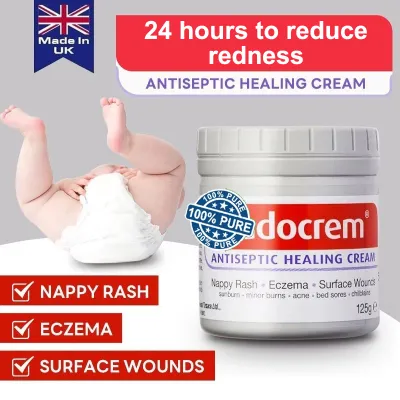




Prices are valid at publication and may change. Please refer to the product page for the latest price.
A high-quality barrier cream serves a dual purpose in your daily baby care routine. For healthy skin, it acts as a preventative shield, blocking wetness from penetrating the skin layers. For actively irritated skin, the cream acts as a soothing agent that isolates the inflamed area, preventing further contact with acidic urine and digestive enzymes in stool. Because a baby’s skin is incredibly thin and sensitive, minimizing this contact is the key to rapid recovery.
Before applying any new product to your baby’s skin, it is essential to read the manufacturer’s packaging carefully. Check the specific product label for any age, weight, or usage restrictions before the first application. Different formulations may have specific guidelines, and verifying these details ensures you are using the product safely and effectively for your child’s specific developmental stage.
Preparation: What You Need Before Application
Proper preparation is the foundation of effective diaper rash care. Before you begin, gather all your supplies within arm’s reach so you never have to leave your baby unattended on the changing table. You will need your tube of cream, gentle fragrance-free wipes or a soft cotton cloth dampened with warm water, a clean dry towel, and a fresh, properly sized diaper.

The most critical step in this preparation process is ensuring the skin is completely dry before any cream touches it. Applying a barrier cream over damp skin traps moisture directly against the baby’s skin, which can worsen irritation and create a breeding ground for bacteria or yeast. This is especially true in humid environments, where natural evaporation takes longer.
After thoroughly cleaning the diaper area, let the skin air-dry for a few minutes if possible. If you are pressed for time, use a clean, soft towel to gently pat the skin dry. Never rub the skin, as friction will further damage the delicate epidermal barrier and cause unnecessary pain for your baby. Once the skin is fully dry to the touch, it is ready for the cream.
Step-by-Step Guide to Applying Sodifo Cream
The technique you use to apply the cream depends entirely on whether you are protecting healthy skin or treating an active, red rash. Adjusting your approach ensures the skin receives the exact level of protection it needs without wasting product or causing discomfort.
Applying for Daily Prevention
For daily prevention, your goal is to maintain a light, breathable barrier that keeps everyday moisture at bay. Start by squeezing a small, pea-sized amount of the cream onto your clean fingertips. Apply a thin, even layer over the entire diaper area, paying close attention to the areas most prone to wetness.
Be sure to cover high-friction zones and deep skin folds, such as the groin creases, thigh rolls, and the area around the elastic bands of the diaper. These areas are highly susceptible to chafing, particularly when the baby moves or kicks. The cream should be distributed evenly so that it lubricates these friction points.
When applying the cream for prevention, always use gentle patting motions or smooth, light sweeps. Avoid vigorous rubbing, which can irritate the skin over time. The goal is to leave a thin, visible sheen that acts as a buffer between the skin and the diaper.
Applying for Active Diaper Rash Treatment
When you are dealing with an active diaper rash, a thin layer is not enough to protect the compromised skin. You must use a much thicker application technique, often described by pediatricians as the ‘icing on a cake’ method. Squeeze a generous amount of the cream and lay it on thickly over the irritated areas.
The skin underneath should be fully covered and no longer visible through the cream. Apply the cream generously over all red, inflamed areas, extending the application slightly beyond the margins of the rash. This prevents the irritation from spreading to adjacent healthy skin that may soon come into contact with wetness.
It is absolutely vital to avoid rubbing or scrubbing motions when dealing with inflamed skin. Rubbing will cause pain and can tear the fragile, damaged outer layer of the skin, delaying healing and increasing the risk of infection. Instead, gently dab or lay the thick cream over the rash, letting it sit as a physical wall of protection.
How Often Should You Apply the Cream?
Consistency is key when managing diaper rash, especially in warm climates where diapers can quickly become hot and humid. As a general rule, you should apply the cream at every single diaper change for daily prevention. If you are actively treating a rash, reapply the cream immediately after every cleaning to ensure continuous protection.
A common question among caregivers is whether they need to clean off all the old cream during every diaper change. If the previous layer of cream is clean and has only been exposed to urine, you do not need to scrub it off. Scrubbing the skin clean at every change causes unnecessary friction and irritation. Instead, simply wipe away any loose wetness and apply a fresh layer of cream directly on top of the clean, remaining barrier.
However, if the diaper is soiled with stool, the old cream must be completely and gently removed, as it may have trapped fecal matter. If you notice that the cream has been wiped away or absorbed during a diaper change, reapply it immediately. Keeping a constant, unbroken barrier is the most effective way to let the skin heal.
Common Mistakes and When to Seek Medical Help
While applying barrier cream is a straightforward process, several common mistakes can hinder healing. One of the most frequent errors is applying cream to skin that is still damp, which locks in moisture and exacerbates the rash. Other mistakes include using expired products, rubbing the skin too vigorously during application or cleaning, and fastening diapers too tightly, which cuts off airflow and increases friction.
It is also important to recognize the limits of over-the-counter barrier creams. You should stop using the cream and seek professional medical advice from a pediatrician if you observe any of the following warning signs:
- A rash that worsens or does not show any improvement after three to four days of consistent treatment.
- The appearance of bleeding, blisters, open sores, or pus-filled bumps.
- Your baby develops a fever or seems unusually uncomfortable and inconsolable.
- Signs of a yeast or fungal infection, which typically presents as a bright red, shiny rash with distinct edges and small red spots (satellite lesions) spreading outward.
Remember that barrier creams are designed solely for protection and soothing. They cannot cure underlying bacterial or fungal infections, which require specific prescription treatments from a healthcare professional. Always prioritize your baby’s safety by consulting a doctor if you are unsure about the rash’s appearance.
Frequently Asked Questions (FAQ)
Can I use Sodifo cream on my newborn?
A newborn’s skin is exceptionally thin, highly permeable, and sensitive to external products. Before applying any cream to a newborn, caregivers must strictly check the specific product packaging for the manufacturer’s recommended minimum age. It is highly recommended to consult a pediatrician before introducing any new skincare product to a newborn to prevent adverse reactions.
Should I wipe off the old cream at every diaper change?
You do not need to completely wipe off the old cream at every diaper change if the baby has only urinated. Leaving the clean, residual barrier in place and topping it up minimizes friction damage to the skin. Complete removal is only necessary when the diaper area is soiled with stool, in which case you should use gentle wiping or a warm water rinse to clean the area without scrubbing.

Community discussion
Share your experience or ask a question. Comments are reviewed before publication.