
Applying Pigeon tooth gel correctly begins with clean hands, a tiny, rice-grain-sized amount of gel, and a gentle massage directly onto your baby’s tender gums. Teething is a natural milestone, but the accompanying gum swelling and irritability can disrupt your baby’s daily routine. In tropical climates like the Philippines, where high humidity can make a fussy, drooling baby even more uncomfortable, having a reliable soothing routine is essential. By understanding the proper application techniques and safety guidelines, you can help ease your little one’s discomfort while maintaining excellent oral hygiene.
Recognizing Teething Signs Before Using Oral Gels
Before reaching for any oral gel, confirm that your baby’s fussiness is actually caused by teething. Babies go through various developmental stages where they naturally explore the world with their mouths, which can sometimes be mistaken for teething. Look for classic, observable signs such as increased drooling, a constant urge to chew on solid objects, general irritability, and gums that appear swollen, slightly red, or tender to the touch.
It is equally important to distinguish normal teething symptoms from signs of actual illness. A common misconception is that teething causes high fevers or severe diarrhea. While a slight rise in body temperature can sometimes occur, a true fever exceeding 38°C or persistent watery stools are not caused by teething and require a prompt evaluation by a pediatrician.
Products mentioned in this guide
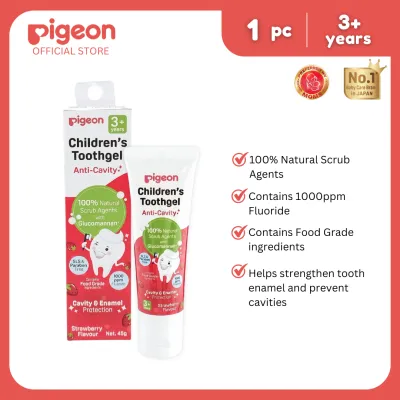
Prices are valid at publication and may change. Please refer to the product page for the latest price.
Before applying any product, always check the specific Pigeon tooth gel packaging to verify the manufacturer’s recommended minimum age or developmental milestones. Some formulations are designed for babies who have reached a certain month mark, while others are formulated for when the first tiny teeth begin to break through the surface. Reading these guidelines ensures you are introducing the gel at the safest and most appropriate stage of your baby’s development.
Preparing for Application: Hygiene and Tools
Proper hygiene is the foundation of safe infant oral care. Because a baby’s immune system is still developing, introducing bacteria into their mouth can lead to avoidable infections. Always begin by washing your hands thoroughly with soap and clean, running water for at least twenty seconds. In warm, humid environments, bacteria can multiply rapidly on household surfaces, making this initial handwashing step absolutely non-negotiable before you touch your baby’s mouth or the gel tube.

Once your hands are clean, prepare your baby’s mouth by gently wiping their gums. Use a clean, damp piece of soft cotton gauze or a baby-safe washcloth moistened with cool, clean water. Gently sweep this across the upper and lower gums to clear away any accumulated milk residue or food particles. This simple step creates a clean surface for the gel to adhere to and helps get your baby accustomed to regular oral cleaning.
Next, inspect the tube of Pigeon tooth gel before dispensing. Ensure that the nozzle is completely clean and free from dried gel residue or dust. Never allow the tip of the tube to come into direct contact with your baby’s mouth, your fingers, or any other surface during application. Direct contact can introduce oral bacteria back into the tube, contaminating the remaining product and compromising its safety for future uses.
Step-by-Step Guide to Applying Pigeon Tooth Gel
Applying the gel should be a calm, unhurried process to prevent your baby from becoming startled or anxious. Start by finding a comfortable and secure position. You can sit on a supportive chair and cradle your baby in your lap, ensuring their head is slightly elevated and resting securely against your arm. Alternatively, you can place them in a secure infant seat where you have a clear view of their mouth.
Instead of applying the gel directly from the tube, squeeze a tiny, controlled amount onto a clean fingertip or a designated, soft silicone finger brush. Using a silicone applicator can provide a slightly textured surface that babies find soothing against their itchy gums. Whichever method you choose, ensure the tool or finger is completely dry before dispensing the gel, as excess moisture can cause the gel to slide off before it reaches the target area.
Gently slide your finger or the applicator into your baby’s mouth, targeting the specific areas of the gums where you can see or feel a tooth erupting, or where the tissue looks swollen and red. Using very light, circular motions, massage the gel directly onto the affected gum line. The combination of the cool gel and the gentle physical pressure of the massage works together to provide localized comfort. Keep the massage brief—usually a few seconds per area is more than enough to distribute the product evenly.
It is entirely normal for babies to resist having their mouths touched, especially when their gums are already sore and sensitive. If your baby turns their head away, cries intensely, or tries to push your hand away, do not force the application. Forcing the gel into a struggling baby’s mouth increases the risk of accidental choking or gagging, and can create a negative association with oral care. Instead, stop immediately, comfort your baby, and try again later when they are in a calmer state.
Determining the Right Amount and Frequency
When it comes to infant oral care products, more is not necessarily better. You must always refer to the specific Pigeon product label to determine the exact recommended dosage for your baby’s age group. Typically, manufacturers recommend an extremely small amount—often described visually as a tiny smear, a grain of rice, or a small pea. Using a minimal amount ensures that your baby does not swallow an excessive quantity of the gel, which is especially important for younger infants who have not yet developed the ability to spit out oral products.
In addition to the dosage size, carefully check the packaging for the maximum number of applications allowed within a twenty-four-hour period. Teething discomfort can fluctuate throughout the day, but you must strictly adhere to these manufacturer limits to prevent overexposure to any active or binding ingredients. Keep a mental or written log of when you apply the gel to ensure you maintain safe intervals between applications.
If you find that the recommended dosage does not seem to provide sufficient relief, or if the instructions on your specific packaging are difficult to interpret, do not guess or increase the amount on your own. Instead, consult a pediatrician or a pediatric dentist. They can provide personalized guidance based on your baby’s weight, age, and specific teething progress, ensuring you stay well within safe boundaries while still managing your baby’s discomfort effectively.
Safety Boundaries and When to Stop Use
As a diligent caregiver, understanding the safety limits of oral products is vital. Always review the full ingredient list on your specific tube of tooth gel. Pediatric health authorities generally advise against using teething preparations that contain local anesthetics or numbing agents, such as benzocaine or lidocaine. These substances can pose serious health risks to infants, including breathing difficulties or swallowing issues. Ensure that the product you are using is specifically formulated for infants and free from these high-risk ingredients.
After applying the gel, closely monitor your baby for any signs of an adverse or allergic reaction. While rare, some babies may be sensitive to specific flavorings, preservatives, or binding agents. Watch for localized redness that worsens after application, swelling of the lips or tongue, hives, or any sudden changes in their breathing patterns. If you observe any of these warning signs, stop using the product immediately and seek emergency medical attention.
You should also discontinue use if your baby’s teething symptoms persist for several days without improvement, or if their gums begin to look unusually red, purple, bleeding, or show signs of infection such as pus. Teething should never cause bleeding or severe, localized infections.
Lastly, always seek prompt medical advice if your baby develops a high fever, refuses to drink breast milk, formula, or water, or exhibits signs of extreme, unmanageable pain. Dehydration can occur quickly in infants, especially in warm climates, so ensuring they continue to feed and hydrate is always the top priority.
Complementary Soothing Methods for Teething Babies
While oral gels are a helpful tool, they are most effective when combined with safe, non-medicated soothing techniques. One of the simplest and most effective methods is using chilled teething toys. Place clean, solid silicone teething rings or textured keys in the refrigerator for a short period. Never place teething toys in the freezer, as extreme cold can freeze the material solid, making it hard enough to bruise or damage your baby’s delicate, swollen gums, or even cause cold burns to the oral tissue.
Another excellent alternative is a gentle manual massage. You can use a clean, damp washcloth that has been cooled in the refrigerator. The rougher texture of the cloth combined with the cool temperature provides a satisfying sensation when your baby bites down on it. Alternatively, a soft, clean silicone finger brush can be used to gently rub the gums without any gel at all, relying purely on the physical pressure to relieve the itchiness of erupting teeth.
For older babies who have already transitioned to solid foods, you can offer safe, chilled items to chew on under strict, continuous adult supervision. Chilled cucumber sticks or specialized teething rusks can provide excellent resistance for active chewers. However, never leave a baby unattended with food items, as they can easily break off into smaller pieces and present a serious choking hazard.
Finally, pay close attention to skin care during this drooly phase. Excessive saliva can quickly pool around your baby’s chin, neck, and chest, leading to painful drool rash, which is exacerbated by tropical heat and humidity. Keep a soft, dry bib on your baby and gently pat—rather than rub—their skin dry throughout the day to prevent irritation.
Frequently Asked Questions (FAQ)
Can I use Pigeon tooth gel before my baby's first tooth erupts?
Yes, you can generally use infant-safe tooth gels before the first tooth fully breaks through the surface, as the discomfort and swelling of the gums often peak during the weeks leading up to eruption. However, you must always verify the manufacturer’s minimum age requirement printed on the packaging to ensure your baby is old enough for the product. If you are unsure whether your baby’s early fussiness is due to teething or another developmental milestone, consult a pediatric dentist for a professional assessment.
Is it safe to apply the gel right before my baby sleeps?
Always refer to the specific product label to see if the manufacturer recommends application before sleep. If you do apply the gel close to bedtime, keep your baby in an upright or slightly elevated position for a few minutes afterward to allow the gel to settle properly on the gums. This helps prevent the gel from being immediately swallowed or washed away by saliva, and reduces the risk of excessive salivation causing a coughing or choking hazard while your baby is lying down.

Community discussion
Share your experience or ask a question. Comments are reviewed before publication.