
Using cloth training pants is a highly effective way to bridge the gap between diapers and regular underwear during your child’s potty training journey. Unlike disposable diapers, which are engineered to lock moisture away instantly, reusable cloth training pants allow your toddler to feel the sensation of wetness immediately after an accident. This physical feedback is a crucial teaching tool, helping your child connect the urge to urinate with the physical result of doing so. By choosing cloth, you also reduce household waste and save money over time, making it a popular choice for environmentally conscious families.
Preparing for the Transition to Cloth Training Pants
Before making the switch from diapers to cloth training pants, it is essential to assess whether your child is developmentally ready. Look for consistent, observable signs of readiness rather than relying solely on your child’s age. These signs include staying dry for two or more hours at a time, showing interest in the bathroom or toilet habits of family members, and being able to follow simple, two-step instructions. Your child should also be physically capable of pulling their pants up and down with minimal assistance, as this independence is central to the potty training process.
Once you observe these signs, selecting the correct size and absorbency level is your next step. Because sizing varies significantly across different manufacturers, always refer to the specific product documentation and size charts rather than assuming your child’s diaper size translates directly to training pants. Measure your child’s waist and thighs, and check their current weight against the manufacturer’s guidelines to ensure a secure fit. Look for training pants with a waterproof outer layer and a soft, absorbent inner lining made of natural fibers like cotton or bamboo, which provide the necessary wetness sensation while offering basic leak protection.
Products mentioned in this guide
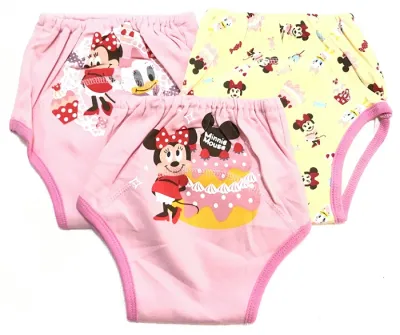
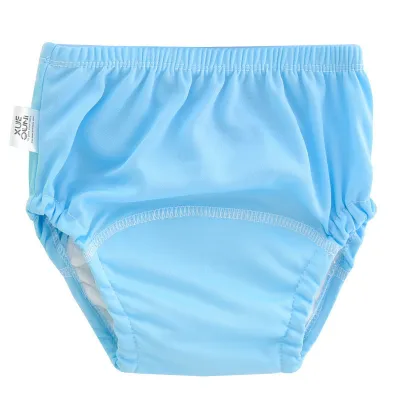
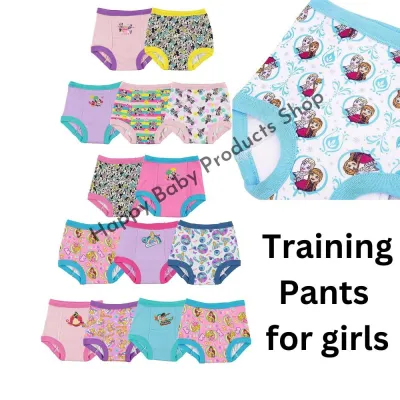
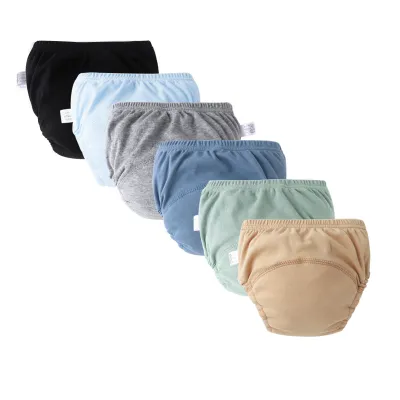
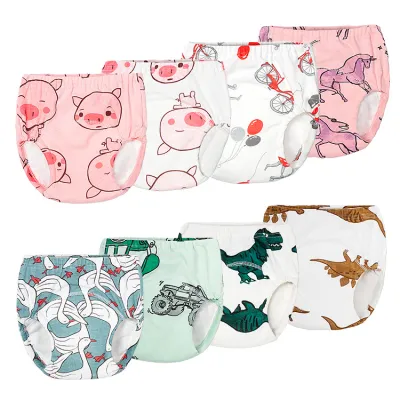
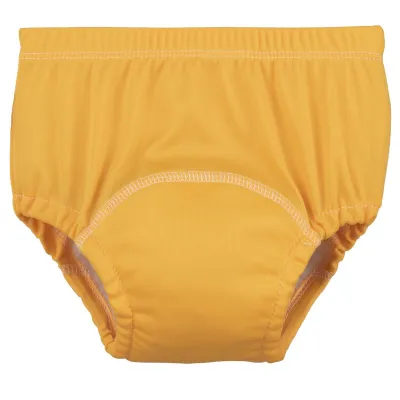
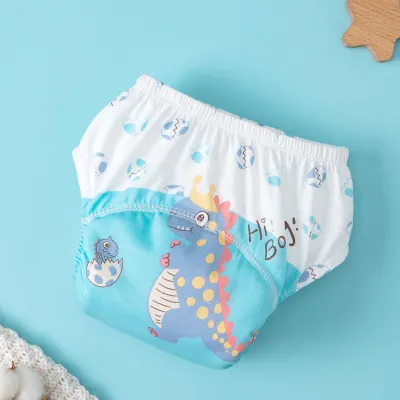
Prices are valid at publication and may change. Please refer to the product page for the latest price.
Preparing your home environment is equally important for a smooth transition. Set up a dedicated changing and washing station near your primary bathroom. This station should include a sturdy potty chair or a secure toilet seat reducer, a wet bag for storing soiled training pants, and a supply of gentle, skin-safe wipes. In tropical climates like the Philippines, high humidity can accelerate odor and mold growth, so choose a highly breathable, zippered wet bag and plan to wash soiled items daily to maintain hygiene.
Step-by-Step Guide to Using Cloth Training Pants Daily
Integrating cloth training pants into your daily routine requires consistency and a focus on comfort. When putting the training pants on your child, check the fit around the legs and waist carefully. The elastic should lie flat against the skin without leaving deep red marks, yet it must be snug enough to prevent gaps. Gaps around the thighs are the primary cause of leaks, especially when your child is sitting or playing on the floor. Ensure your child can easily grasp the waistband to practice pulling the pants down independently when they feel the urge to use the potty.

The primary function of cloth training pants is to help your child recognize the feeling of wetness. When an accident occurs, avoid rushing to change them in silence; instead, use the moment as a gentle learning opportunity. Ask your child if they feel wet or uncomfortable, helping them associate that damp sensation with the need to use the toilet next time. Keep your tone encouraging and neutral, as shame or frustration can stall progress and cause anxiety around potty training.
To minimize accidents, establish a consistent potty break schedule based on your child’s natural daily rhythms. Encourage your child to sit on the potty immediately after waking up, shortly after meals, and before leaving the house or going to bed. In addition to this schedule, stay highly observant of your child’s unique physical cues. Many toddlers will squat, hold their tummy, fidget, or suddenly become very quiet when they need to go. When you notice these behaviors, gently guide them to the bathroom, adjusting your scheduled breaks to match their natural patterns.
Managing Accidents and Washing Reusable Training Pants
Accidents are an expected and necessary part of the learning process, but managing them efficiently keeps your home clean and your stress levels low. Because cloth training pants are designed to catch minor leaks rather than hold a full bladder release, they are not completely waterproof. To protect your floors, carpets, and furniture, consider keeping play areas confined to easily cleanable surfaces during the initial days of training, or use washable waterproof mats in high-use areas. Keep a clean change of clothes and a spare pair of training pants nearby at all times.
When an accident involves solid waste, immediate pre-treatment is essential to prevent permanent stains and odors. Shake or scrape any solid waste directly into the toilet. If the waste is loose, use a diaper sprayer or a dedicated utility faucet to rinse the fabric before placing the soiled pants into your wet bag. Avoid letting soiled training pants sit for more than a day, especially in warm, humid environments, as this can lead to stubborn stains and bacterial growth that are difficult to remove.
When washing and drying your reusable training pants, always follow the manufacturer’s care labels strictly to preserve the fabric’s integrity and absorbency. Use a gentle, residue-free detergent and avoid fabric softeners, dryer sheets, or bleach, as these products can coat the fibers and drastically reduce the fabric’s ability to absorb liquid. In the Philippines, line drying your training pants in direct sunlight is an excellent, energy-efficient way to naturally sanitize the fabric and fade stains. However, if the manufacturer’s instructions allow, a low-heat dryer cycle can help keep the fabric soft and pliable for your child’s comfort.
Transitioning from Training Pants to Regular Underwear
Moving from cloth training pants to regular underwear is an exciting milestone that indicates your child has mastered basic bladder control. You can confidently make this transition when your child consistently stays dry throughout the day, actively asks to use the potty, and experiences very few accidents over a period of several consecutive weeks. At this stage, the extra absorbency of training pants is no longer necessary, and your child is ready for the lightweight feel of standard cotton underwear.
It is important to recognize that daytime readiness does not automatically equal nighttime bladder control. Nighttime dryness is a physiological milestone that depends on hormone development and bladder capacity, which often takes months or even years longer to mature than daytime control. Continue using highly absorbent diapers, specialized overnight cloth pants, or waterproof mattress protectors during sleep until your child consistently wakes up dry for several weeks in a row.
Every child develops at their own pace, and setbacks are a normal part of the potty training journey. If your child suddenly experiences a major regression, shows extreme distress, or resists using the potty entirely, it is perfectly acceptable to pause the transition and return to diapers temporarily. Forcing the issue can create power struggles and prolong the process. If progress remains stalled for several months, or if you notice physical symptoms like painful urination or chronic constipation, stop using the training pants and consult a pediatrician for professional guidance and to rule out any underlying medical concerns.
Frequently Asked Questions (FAQ)
Can cloth training pants be used for overnight sleep?
Most standard cloth training pants are designed specifically for daytime use and are not equipped to handle the large volume of urine released during overnight sleep. Their primary purpose is to let the child feel wetness quickly so they can learn to use the potty, which can lead to heavy leaks in bed. Before attempting overnight use, check the manufacturer’s guidelines to see if the product is rated for nighttime wear. If your child still wets heavily at night, it is best to use dedicated nighttime cloth diapers or highly absorbent disposable options to ensure a comfortable, dry night’s sleep.
How many pairs of cloth training pants should I prepare?
The number of cloth training pants you need depends on your daily laundry routine and how frequently your child has accidents. For beginners, a stash of 8 to 12 pairs is generally recommended if you plan to wash laundry every other day. If you prefer to wash clothes daily, you may only need 6 to 8 pairs. When building your initial collection, check product availability and pricing on reputable online marketplaces or local baby boutiques to find options that fit your household budget, keeping in mind that having a few extra pairs on hand reduces laundry stress.
What should I do if my child develops a skin rash?
If your child develops a skin rash or irritation while wearing cloth training pants, stop using them immediately and switch back to highly absorbent diapers or allow your child to spend time with bare skin to let the area dry out. Do not attempt to self-diagnose the rash or apply unverified home remedies, as infant and toddler skin is highly sensitive. Consult a pediatrician promptly for an accurate diagnosis and safe treatment plan. Additionally, review your washing routine to ensure you are using a mild, fragrance-free detergent and that all soap residue is being thoroughly rinsed out of the fabric during the wash cycle.

Community discussion
Share your experience or ask a question. Comments are reviewed before publication.