
To get the most out of Buds and Blooms Elasticity Oil for stretch mark prevention, apply it consistently to clean, damp skin using gentle, circular massage motions on areas prone to stretching, such as the abdomen, hips, and thighs. In the warm and humid climate of the Philippines, proper application technique is key to ensuring the oil absorbs comfortably without leaving a heavy, greasy residue. By understanding when to start, where to focus, and how to layer this product within your daily maternity skincare routine, you can support your skin’s natural elasticity as your body changes.
Pregnancy brings rapid physical transformations, and the skin must stretch significantly to accommodate your growing baby. While stretch marks are a natural part of this journey, keeping the skin deeply hydrated and pliable can help manage the discomfort of stretching and support the skin’s structural integrity. Using a dedicated maternity skin oil helps lock in moisture, but its effectiveness relies heavily on how and when you apply it. Establishing a mindful, daily application ritual not only cares for your skin but also provides a calming moment of connection with your changing body.
When to Start and How to Prepare Your Skin
Timing is a crucial factor when introducing an elasticity oil into your maternity routine. While many expectant mothers begin focusing on stretch mark prevention once their baby bump becomes visible, skin stretching actually starts much earlier at a microscopic level. To give your skin the best support, it is generally recommended to begin application before significant physical changes occur. You should always check the manufacturer’s product label to verify the recommended starting trimester, as some formulations are optimized for use from the very beginning of pregnancy.
Products mentioned in this guide
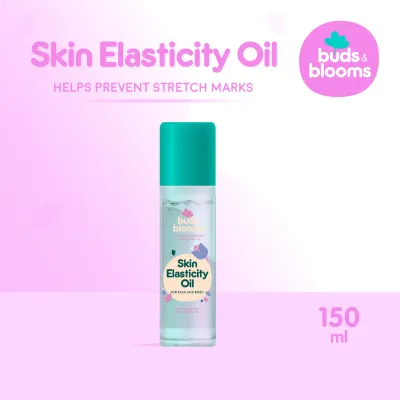

Prices are valid at publication and may change. Please refer to the product page for the latest price.
Preparing your skin properly before application ensures that the oil can perform effectively. The most important step in preparation is applying the product to clean, slightly damp skin. When you step out of a warm bath or shower, your skin is fully hydrated, and your pores are receptive. Applying the oil to damp skin helps trap that surface moisture, creating a lightweight emulsion that spreads easily. In a tropical climate, this method is particularly beneficial because it allows you to use less product while achieving complete coverage, preventing the oil from feeling heavy or suffocating on hot days.
Before committing to full-body application, performing a preliminary patch test is highly recommended. Pregnancy hormones can alter your skin’s sensitivity, making it react to ingredients that previously caused no issues. To conduct a patch test, apply a single drop of the oil to a small, discreet area of skin, such as your inner forearm or the side of your neck. Monitor the area for 24 to 48 hours for any signs of redness, itching, swelling, or irritation. If your skin remains clear, you can proceed with applying the product to larger areas of your body.
Key Body Areas to Target
As your pregnancy progresses, your body distributes weight and expands in specific regions that require targeted hydration. The primary zones most susceptible to rapid stretching include the abdomen, hips, thighs, buttocks, and lower back. The abdomen naturally experiences the most dramatic expansion, but the lateral stretching across the hips and thighs can be equally intense. The lower back and buttocks also undergo structural changes as your pelvis shifts to support the pregnancy, making these areas equally deserving of consistent moisture.

Secondary zones such as the breasts and underarms also experience significant changes due to hormonal shifts. As your body prepares for lactation, breast tissue expands, which can cause itching and tightness in the skin. When applying the oil to the chest area, use very gentle upward strokes. It is important to avoid the nipple and areola areas during application unless the product label explicitly states that the formulation is safe for nursing preparation. Keeping the oil away from these sensitive areas prevents unnecessary irritation and ensures safety.
Your application focus should adapt dynamically as your pregnancy progresses. During the first trimester, a light, overall application to the hips and abdomen helps establish a baseline of hydration. By the second and third trimesters, as the baby bump grows rapidly, you may need to increase the amount of product used and pay closer attention to the underside of the belly and the lower back. Regularly assessing which areas feel tight or itchy will help you direct the hydration where your skin needs it most.
Step-by-Step Application and Massage Technique
To begin your application, dispense an adequate amount of the oil into the palm of your hand. Start with a small amount, as a little high-quality oil goes a long way, especially in humid weather. Rub your palms together for a few seconds to warm the oil. Warming the product lowers its viscosity, making it glide smoothly over your skin without dragging or pulling on delicate tissues. This simple step also makes the application process feel more soothing and therapeutic.
When massaging the oil into your skin, always use gentle, circular motions and light, upward strokes. On the abdomen, use the flats of your fingers to trace clockwise circles around your belly button. This direction aligns with your natural digestive flow, which can help ease mild pregnancy bloating. For the thighs, hips, and buttocks, use upward sweeping motions to encourage healthy circulation. It is vital to avoid applying deep, heavy, or aggressive pressure to the abdomen; the massage should always feel relaxing and superficial, never uncomfortable.
After completing the massage, allow sufficient time for the oil to absorb into your skin before putting on your clothes. In tropical environments, wearing lightweight, breathable fabrics like cotton or linen is common, but these materials can easily absorb excess oils if you dress too quickly. Waiting a few minutes allows the product to seal into the skin barrier, ensuring maximum hydration benefits and preventing any potential staining on your maternity wardrobe. If you are in a hurry, gently patting away any excess surface oil with a clean towel can help you dress comfortably.
Ideal Frequency and Daily Routine Integration
Consistency is the foundation of any successful skincare routine, particularly when managing skin elasticity. To achieve the best results, check the product packaging for the manufacturer’s recommended daily frequency. Most elasticity oils are designed for twice-daily use—typically once in the morning and once before bed. Adhering to these specific guidelines ensures that your skin remains continuously hydrated throughout the day and night, preventing the dryness that can exacerbate itching.
Integrating the oil into your daily schedule is easiest when tied to existing habits. The optimal time for your primary application is immediately after your daily shower or bath. Keeping the bottle within arm’s reach of the shower allows you to apply it while your skin is still warm and damp, locking in maximum moisture. For your evening application, taking a few minutes to massage the oil before sleep can serve as a relaxing bedtime ritual that helps soothe your senses and prepare your body for rest.
If you use multiple maternity skincare products, such as moisturizing lotions or body creams, you must follow proper layering rules. Generally, water-based lotions should be applied first to deliver deep hydration to the skin cells, followed by the elasticity oil to seal that moisture in. However, you should always consult the brand’s specific instructions for combining products, as some formulations are designed to be used in a particular sequence or may even be mixed together in your palm before application to save time.
Safety Checks and When to Stop Use
While maternity skincare products are formulated with gentle ingredients, pregnancy hormones can make your skin highly unpredictable. It is essential to monitor your skin closely during each application for any signs of adverse reactions. Watch for localized redness, persistent itching that differs from normal stretching sensations, raised bumps, or a burning feeling. These symptoms can indicate contact sensitivity or a mild allergic reaction to one of the botanical components in the oil.
If you experience any signs of irritation, take immediate action to protect your skin. Stop using the product right away and gently wash the affected area with cool water and a mild, fragrance-free cleanser to remove any remaining oil residue. Avoid scratching the irritated skin, as this can introduce bacteria and lead to secondary infections. If the redness or itching persists for more than a few days, or if it spreads, consult your healthcare provider or a dermatologist for professional guidance.
Before introducing any new product into your routine, make it a habit to review the ingredient list against your personal allergy history. If you have known sensitivities to specific seed oils, nut extracts, or natural fragrances, verify that they are not present in the formulation. Additionally, it is highly recommended to discuss your entire maternity skincare regimen with your OB-GYN during your routine prenatal visits. Your doctor can provide personalized advice based on your health profile, ensuring that every step of your self-care routine is safe for both you and your baby.
Frequently Asked Questions (FAQ)
Can I use Buds and Blooms Elasticity Oil while breastfeeding?
You should always check the product label for specific nursing safety claims before using any skincare product postpartum. If you choose to apply the oil to your chest area while breastfeeding, avoid the nipple and areola entirely to prevent your baby from accidentally ingesting the product during feeding. For personalized safety advice, consult your pediatrician or a certified lactation consultant before introducing new topical products to your chest area during your nursing journey.
Does this oil guarantee the complete prevention of stretch marks?
No skincare product can guarantee the complete prevention of stretch marks, as their development is heavily influenced by genetics, individual skin types, and the rate of gestational weight gain. Stretch marks occur in the deeper dermal layers of the skin where topical oils cannot fully penetrate. Instead of viewing the oil as an absolute preventative measure, it should be used as a supportive tool to keep the outer layers of your skin hydrated, supple, and comfortable during rapid expansion.
Can I mix the elasticity oil with my regular body lotion?
Before mixing products, check the manufacturer’s guidelines to ensure that combining them will not compromise the stability or efficacy of either formulation. If the label permits, you can mix a few drops of the oil with your lotion in your palm immediately before application. Alternatively, you can apply your regular body lotion first to provide water-based hydration, and then apply the elasticity oil over it to seal the moisture into your skin barrier.

Community discussion
Share your experience or ask a question. Comments are reviewed before publication.