
Preparing baby formula while traveling or running errands requires careful planning to keep the powder fresh and make mixing quick and hygienic. A portable formula container offers a practical solution for parents who need to feed their babies on the go without carrying bulky formula tins. By pre-portioning dry formula at home, you can streamline your feeding routine and ensure your baby receives accurate portions every time.
In tropical climates like the Philippines, high humidity can quickly cause formula powder to clump or spoil if it is not stored correctly. Using a dedicated portable container helps protect the dry powder from moisture and external contaminants. Understanding the proper steps to fill, carry, mix, and clean your container is essential for maintaining the nutritional quality of the formula and keeping your baby safe.
What to Prepare Before Leaving Home
Before you step out of the house, taking a few minutes to gather and inspect your feeding essentials can prevent stressful situations later. Start by checking your Yoboo milk powder container to ensure it is completely clean, dry, and free of any lingering moisture from previous washes. Even a single drop of water left inside a compartment can ruin an entire portion of formula powder by causing it to clump and harbor bacteria.
Products mentioned in this guide
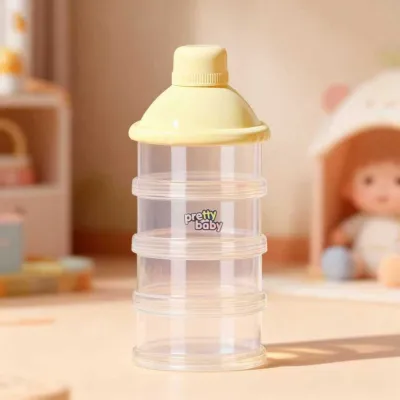
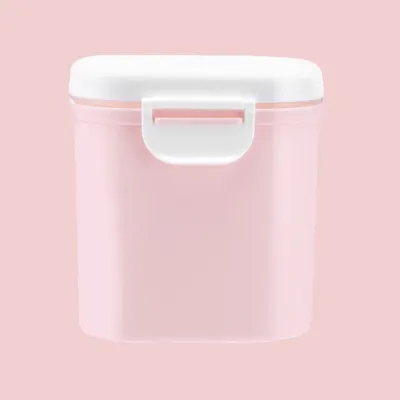
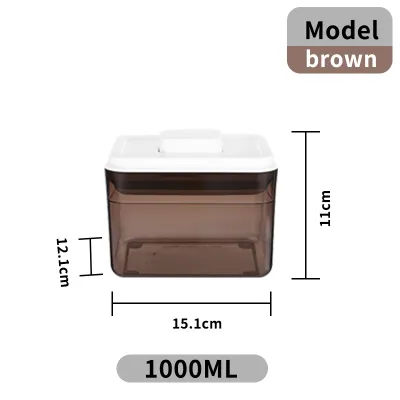
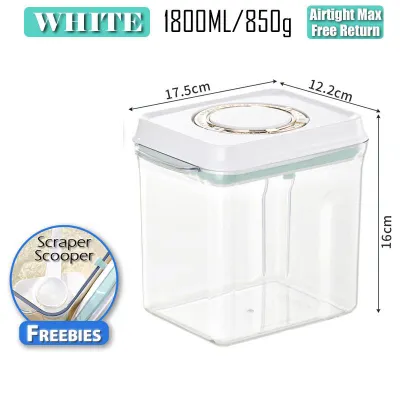
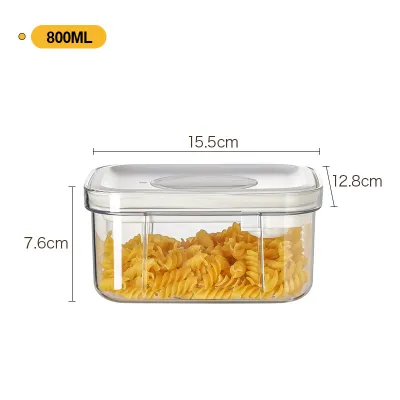
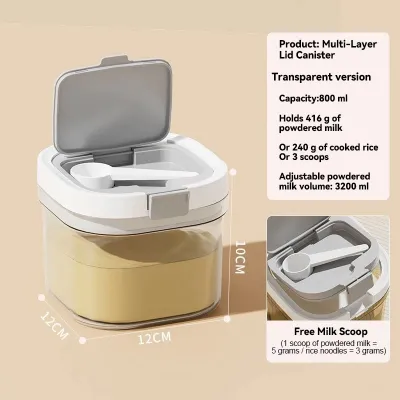
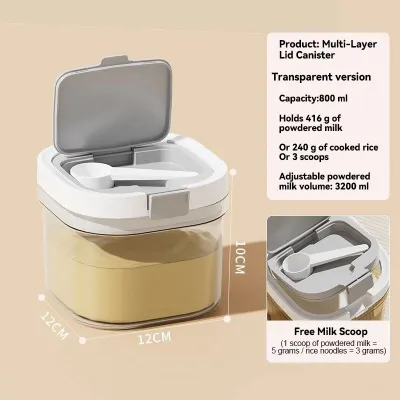
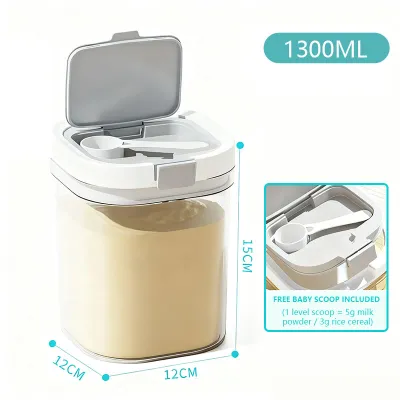
Prices are valid at publication and may change. Please refer to the product page for the latest price.
Next, locate the specific measuring scoop that came with your current tub of baby formula. It is crucial to use the manufacturer’s designated scoop rather than a generic spoon or a scoop from a different brand, as formula densities and portion sizes vary significantly. Keep this scoop dry and clean throughout the preparation process.
You will also need to prepare your baby’s feeding bottles and water supply. Sterilize the bottles and caps at home, then seal them to keep the interiors sterile until you are ready to mix the feed. Fill a clean, reliable thermos with safe drinking water that has been boiled and cooled to the temperature recommended by your formula manufacturer. Having your own water supply ensures you do not have to rely on unverified water sources while you are away from home.
Step-by-Step Guide to Using the Yoboo Container
Using a portable formula container involves a simple, two-phase workflow designed to maintain hygiene and accuracy. The first phase takes place in the controlled environment of your kitchen, where you measure and seal the dry powder. The second phase occurs on the go, where you quickly transfer the pre-portioned powder into a bottle of water.

By separating these two steps, you minimize the time the dry powder is exposed to open air and humidity. This structured approach ensures that the formula remains dry and sterile until the exact moment your baby is ready to feed, reducing the risk of contamination.
Pre-Portioning Dry Formula at Home
To begin pre-portioning, thoroughly wash your hands with soap and water, then dry them completely with a clean towel. Find a clean, flat workspace in your kitchen away from open windows, steam from cooking, or running tap water. Ensure the container is fully disassembled so you can easily access each individual compartment.
Open your formula tin and use the manufacturer’s scoop to measure the exact amount of powder required for a single feeding. Gently level off each scoop using a clean, dry knife or the built-in leveler on the formula tin, ensuring you do not pack the powder down tightly. Pour the measured scoops into the first compartment of the container, keeping track of the count to match your baby’s current feeding stage.
Repeat this process for the remaining compartments, dedicating one compartment to each scheduled feeding. As soon as a compartment is filled, close its lid or seal immediately before moving on to the next one. This immediate sealing prevents ambient humidity from entering the container and keeps the powder loose and easy to pour later. Double-check that all lids are pressed down firmly and that the main outer cap is securely locked in place.
Mixing the Bottle While Traveling
When your baby shows signs of hunger while you are out, find a clean, stable surface to prepare the bottle. Before handling any feeding equipment, sanitize your hands using a portable hand sanitizer or wash them if facilities are available. Retrieve your sterilized baby bottle and the thermos of prepared water.
Carefully pour the required volume of water from the thermos into the baby bottle first. It is a common mistake to add the powder before the water, which can displace the liquid and lead to an inaccurate water-to-powder ratio. Always verify the water level against the markings on the bottle at eye level to ensure accuracy.
Once the water is in the bottle, open only the specific compartment of the container that you need for this feed. Keep the other compartments closed to protect the remaining powder from exposure to the air. Align the container’s dispensing spout directly over the bottle opening and pour the powder in. Tap the bottom of the container gently if any powder clings to the plastic walls due to static electricity.
Immediately secure the bottle’s nipple and collar, then shake or swirl the bottle gently until the powder is completely dissolved and no clumps remain. Test the temperature of the mixed formula on the inside of your wrist to ensure it is safe before feeding your baby. Feed your baby promptly, and remember to discard any unfinished formula within the timeframe recommended by the manufacturer to prevent bacterial growth. If you have concerns about your baby’s feeding habits or formula tolerance, consult a qualified healthcare professional.
Cleaning and Drying the Container
Maintaining strict hygiene practices when cleaning your baby’s feeding gear is vital for preventing the growth of harmful bacteria. As soon as you return home, or immediately after the container is empty, disassemble all of its removable parts. This includes removing the main lid, individual compartment dividers, and any silicone seals or gaskets.
Wash all the components thoroughly in warm, soapy water using a mild dishwashing liquid designed specifically for baby products. Use a soft sponge or a dedicated bottle brush to gently clean the corners, threads, and grooves where fine powder residue can easily hide. Avoid using abrasive scrubbing pads, as they can scratch the plastic and create microscopic grooves where bacteria can accumulate.
If you prefer to use a dishwasher or a steam sterilizer, consult the manufacturer’s care instructions first to verify that the materials can withstand high temperatures. Some plastics may warp or degrade if exposed to extreme heat. After washing, place all parts on a clean, elevated drying rack in a well-ventilated area. Allow every piece to air-dry completely before reassembling, as trapping even a tiny amount of moisture inside the sealed compartments can ruin the next batch of formula.
Safety Checks and Common Mistakes to Avoid
Using a portable formula container safely requires understanding its design limitations and avoiding common handling errors. The container is engineered strictly for dry goods, such as formula powder or dry baby snacks. Never use it to store pre-mixed liquid formula, breast milk, or wet foods like purees, as these items can easily leak, spoil, or compromise the airtight seals.
Another critical mistake is leaving the container in environments exposed to extreme heat or direct sunlight. Avoid storing the container in a hot car, near a window, or close to kitchen appliances that generate heat. High temperatures can accelerate the degradation of the plastic materials and cause the nutrients in the formula powder to break down prematurely.
Regularly inspect your container for any signs of wear and tear. Check the plastic body for hairline cracks, cloudiness, or persistent odors that do not go away after thorough washing. Examine the silicone seals to ensure they remain flexible, intact, and free of mold or discoloration. If you notice any damage, warping, or worn seals, stop using the container immediately and replace it to ensure your baby’s food remains safe and uncontaminated.
Frequently Asked Questions (FAQ)
Can I store baby snacks or purees in the Yoboo milk powder container?
The container is designed primarily for dry goods, making it excellent for formula powder or dry baby snacks like puffs and teething biscuits. You should avoid storing wet, oily, or sticky foods such as purees, yogurt, or fresh fruit slices in these compartments. Wet foods can easily compromise the silicone seals, leak between compartments, and create a damp environment where harmful bacteria and mold can rapidly grow. Always check the manufacturer’s specific guidelines regarding multi-use claims before placing anything other than dry formula in the container.
How long can formula powder stay fresh inside the container?
For optimal safety and freshness, pre-portioned formula powder should ideally be used within 24 to 48 hours of being transferred to the container. Even with high-quality seals, opening the container to dispense one portion exposes the adjacent compartments to ambient air and humidity. This exposure can cause the remaining powder to absorb moisture and clump over time. Always cross-reference the storage recommendations on your original formula tin, and discard any pre-portioned powder that has been left in the portable container for longer than the recommended window.

Community discussion
Share your experience or ask a question. Comments are reviewed before publication.