
Pumping breast milk directly into a milkbag is a highly efficient method that streamlines your feeding routine, minimizes the number of bottles to wash, and helps preserve every drop of expressed milk. In warm, humid climates like the Philippines, where keeping feeding equipment sterile requires constant vigilance, reducing the steps between expression and storage is a practical way to maintain hygiene. To achieve a seamless, spill-free collection, you must master the connection between your breast pump and the storage bag. This guide walks you through the entire process, from preparation to storage, ensuring a hygienic and efficient experience.
Preparing Your Breast Pump and Milkbag for Use
Before you touch your breast pump or open a new milkbag, proper preparation is essential to protect your milk from contamination. Start by thoroughly inspecting the milkbag. Look closely at the seams, the zipper seal, and the body of the bag for any punctures, tears, or manufacturing defects. Even a tiny pinhole can lead to leaks during pumping or thawing, resulting in wasted milk and a messy cleanup.
Next, focus on personal hygiene and equipment cleanliness. Wash your hands with soap and clean water for at least 20 seconds, drying them with a clean paper towel or a dedicated towel. Ensure that all reusable breast pump parts—such as the flanges, valves, connectors, and diaphragms—have been thoroughly washed and sanitized according to the manufacturer’s instructions. In tropical environments, high humidity can encourage the growth of mold and bacteria on damp surfaces. Always allow your pump parts to air-dry completely on a clean, elevated drying rack in a well-ventilated area before assembly.
Products mentioned in this guide
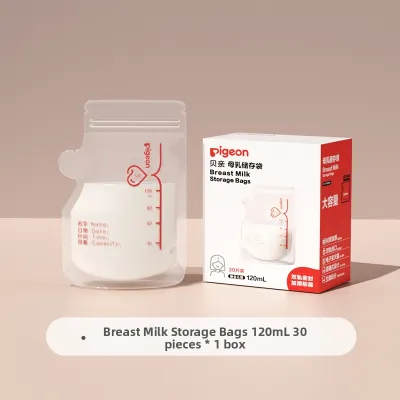
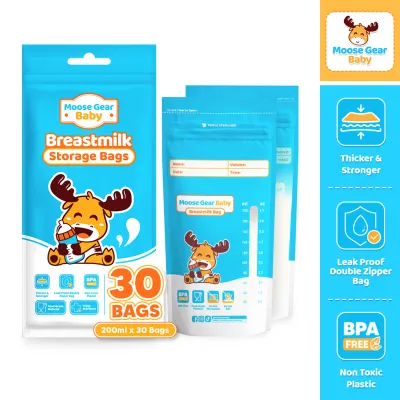
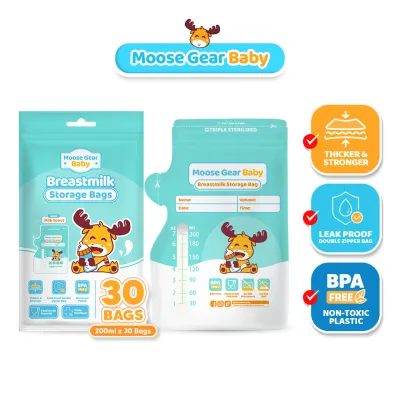

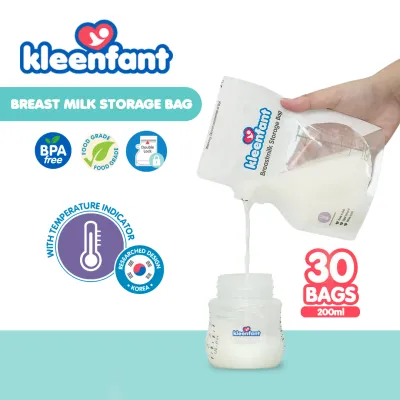
Prices are valid at publication and may change. Please refer to the product page for the latest price.
Finally, check the packaging of your milkbags. Some brands print a manufacturing date or an expiration date on the box. While plastic bags do not spoil in the traditional sense, older bags or those stored in extreme heat and humidity may experience degraded adhesive or plastic degradation over time. Using fresh, properly stored bags ensures the integrity of the seal remains intact during the freezing and thawing process.
Step-by-Step Guide to Connecting the Milkbag to Your Breast Pump
Connecting a milkbag directly to your breast pump requires understanding your specific equipment setup. Some breast pump systems are designed with proprietary clips or direct-attachment mechanisms that fit their own brand of milkbags. Other systems require a universal adapter—a small plastic clip or screw-on collar that bridges the gap between the pump’s flange and a standard storage bag. Before you begin, consult your pump’s user manual to identify whether you need a specific adapter or if your pump is compatible with universal slide-on clips.

Once you have the correct adapter or attachment mechanism, open the milkbag carefully. To maintain sterility, avoid blowing air into the bag or inserting your fingers inside the opening. Align the top edge of the milkbag with the adapter or the base of the pump flange. Slide the bag into the secure slot or clamp the adapter down firmly, ensuring the plastic is held evenly across the entire width of the attachment point. The fit should be snug and secure, but avoid stretching or pulling the plastic excessively, as this can weaken the material near the seal.
After securing the bag, perform a quick visual check. Verify that the connection is tight and that the milkbag hangs straight down. It should hang freely without any twists, folds, or kinks in the neck of the bag. A twisted bag can restrict the flow of milk, cause backflow into the pump tubing, or create uneven weight distribution that might pull the bag loose mid-session.
With the bag securely attached, place the breast pump flange against your breast and turn the machine on. Always start at the lowest suction setting. This initial low-pressure phase allows you to monitor the connection for any immediate air leaks, shifting, or loose parts. If you hear a whistling sound or notice the bag slipping, turn off the pump immediately, adjust the attachment, and try again. Once you confirm the connection is stable and airtight, you can gradually increase the suction to your comfortable expression level.
Best Practices During Pumping to Prevent Spills and Contamination
Your posture during a pumping session plays a significant role in how efficiently milk flows into the storage bag. Maintain an upright or slightly forward-leaning posture. Leaning backward can cause milk to pool in the tunnel of the flange, increasing the risk of backflow into the pump parts or causing milk to seep out of the sides of the connection. Sitting upright allows gravity to pull the expressed milk directly down through the valve and straight into the bottom of the milkbag.
As the milk begins to collect, keep a close eye on the volume. Milk storage bags feature printed measurement markings, though these are often approximate. It is vital to stop pumping before the milk reaches the maximum fill line indicated on the bag. When breast milk freezes, it expands. Overfilling the bag leaves no room for this expansion, which can cause the seams of the bag to burst or the zipper to pop open in the freezer. If you expect a large yield, keep a second bag or a collection bottle nearby so you can easily switch mid-session.
Maintaining strict hygiene throughout the session is essential for your baby’s safety. Avoid touching the inside of the milkbag, the inner surface of the pump flange, or the valve where the milk passes through. Any contact with unsterilized fingers can introduce bacteria into the expressed milk, which can multiply during storage. If you need to adjust the bag or the adapter, handle them only from the outside surfaces.
Always adjust the pump’s suction and cycle settings based on your personal comfort and milk flow. Pumping should never be painful. High suction does not guarantee more milk and can actually damage breast tissue or cause the milkbag connection to fail due to excessive vibration. Refer to your pump’s user manual to understand the optimal settings for stimulation and expression phases, and adjust them dynamically as your milk flows.
Safely Sealing, Storing, and Handling the Collected Milk
Once you have finished pumping, carefully turn off the breast pump before removing the milkbag. Support the bottom of the bag with one hand while gently releasing the adapter or clip with the other to prevent sudden drops. Place the filled bag on a clean, flat surface. Before sealing, gently press the air out of the top portion of the bag by sliding your fingers upward from just above the milk line to the zipper. Removing excess air prevents freezer burn and helps the bag lay completely flat, which optimizes storage space.
To seal the bag, press the zipper track firmly from one end to the other. Run your fingers across the seal multiple times to ensure the double or single zipper is fully engaged without any gaps. For extra security, you can gently squeeze the sealed portion of the bag to check for any escaping air or moisture. Laying the bag flat while sealing ensures an even distribution of milk and prevents accidental spills that can occur if the bag is held upright and squeezed too hard.
Labeling the milkbag immediately is a crucial step in proper milk rotation. Use a permanent, food-safe marker to write the date, time of expression, and approximate volume on the designated label area. Avoid writing directly on the main body of the bag where the milk is stored, as some marker inks can leach through thin plastic, and never write on the seal area where the ink might interfere with the closure. Always write the details before filling the bag if possible, or write very gently on a flat surface to avoid puncturing the plastic.
Store the sealed milkbag according to standard health authority guidelines. In the Philippines, where ambient room temperatures can be quite high, expressed breast milk should not be left at room temperature for extended periods. Place the bag in the coldest part of the refrigerator or freezer immediately. Avoid storing milkbags in the refrigerator door, as temperature fluctuations from frequent opening can compromise milk quality. Laying the bags flat to freeze allows them to stack neatly once solid, maximizing your freezer space.
Troubleshooting Common Milkbag and Breast Pump Issues
Even with careful preparation, you may occasionally encounter issues during your pumping session. If you notice milk leaking at the connection point between the bag and the pump, pause the session immediately. Check for misalignment of the adapter, over-tightening of the clips, or compatibility issues. Sometimes, a slight adjustment to the clamp or re-centering the bag opening is all that is needed to stop the leak.
In the rare event that a milkbag tears, bursts, or the seal fails during use, safety must come first. Stop the pump immediately. Because the structural integrity of the bag has been compromised and the milk may have come into contact with unsterilized external surfaces or the pump’s outer parts, it is safest to discard the milk to prevent bacterial contamination. Inspect your remaining stock of bags to ensure they were not damaged during shipping or storage.
If you experience poor milk flow or a sudden drop in pump suction, check the physical alignment of the bag. A twisted or kinked bag neck can restrict the movement of the pump’s duckbill valve or valve flap, preventing milk from draining and disrupting the vacuum seal. Ensure the bag hangs completely straight and that the weight of the collecting milk is not pulling down on the pump parts in a way that distorts the valve’s shape.
Frequently Asked Questions (FAQ)
Here are some common questions about using milk storage bags with breast pumps.
Can I reuse a disposable milkbag?
Disposable milk storage bags are strictly designed for single-use only. Reusing them poses significant health risks for your baby. Always check the manufacturer’s packaging for explicit single-use warnings and discard each bag immediately after use.
- Contamination Risk: Microscopic milk residue can easily become trapped in the seams and zipper tracks of a used bag. Because these bags cannot be safely sterilized, this residue becomes a breeding ground for harmful bacteria.
- Material Degradation: The thin plastic and delicate zipper seals are not engineered to withstand the high temperatures required for proper sterilization, such as boiling water, steam sterilizers, or microwave bags. Attempting to heat them can cause the plastic to warp, melt, or leach chemicals.
- Structural Failure: A reused bag is highly prone to tearing, leaking, or bursting during subsequent freezing and thawing cycles, leading to the loss of your expressed milk.
Do I need a specific adapter for my breast pump?
Whether you need a specific adapter depends entirely on the brand and model of your breast pump, as well as the brand of milkbags you choose to use. Before purchasing milkbags or accessories, consult your breast pump’s user manual or visit the manufacturer’s official website to verify compatibility.
- Proprietary Systems: Some closed-system pumps feature integrated connectors that allow direct attachment to their own brand of storage bags without any extra parts.
- Universal Adapters: Many standard pumps require either a brand-specific adapter or a universal clip to bridge the connection. While some proprietary adapters might cost a few hundred pesos (₱), they are a worthwhile investment to ensure a secure fit. Using the correct, manufacturer-approved adapter ensures a secure, airtight seal and prevents costly spills.

Community discussion
Share your experience or ask a question. Comments are reviewed before publication.