
Using a milk dispenser baby formula container is one of the most convenient ways to feed your baby when you are away from home. Whether you are running quick errands, traveling, or spending a day outdoors, these portable containers allow you to carry pre-measured portions of dry formula powder without bringing the entire heavy tin. However, preparing baby formula outside the controlled environment of your kitchen requires strict attention to hygiene, precise measurements, and proper temperature management.
In tropical climates like the Philippines, high humidity and warm temperatures present unique challenges for food safety. Moisture can easily seep into portable containers, causing the dry powder to clump, lose its nutritional value, or become a breeding ground for bacteria. By mastering the correct steps to inspect, pack, and mix your baby’s formula on the go, you can ensure every feed is safe, fresh, and stress-free.
Inspecting and Preparing Your Dispenser Before Use
Before you begin packing for your outing, take a close look at your formula dispenser. Inspect the plastic body, lids, and seals for any signs of wear, such as deep scratches, hairline cracks, or loose-fitting joints. Damaged plastic can trap microscopic food particles and moisture, making it incredibly difficult to sanitize properly and increasing the risk of bacterial contamination. If you notice any structural damage, replace the dispenser immediately to protect your baby’s health.
Products mentioned in this guide
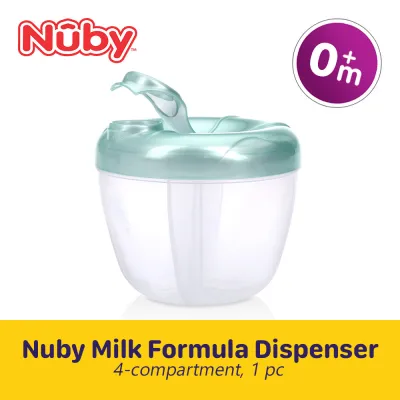
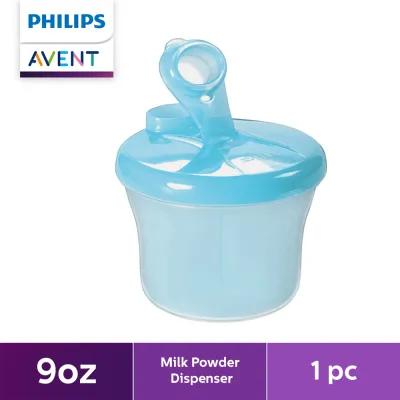
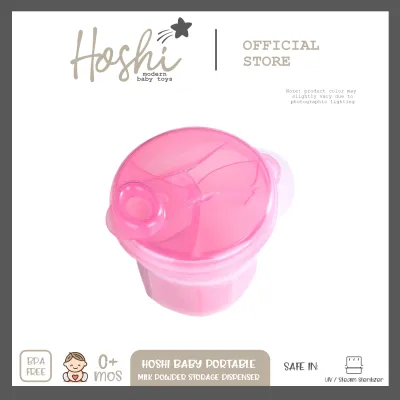
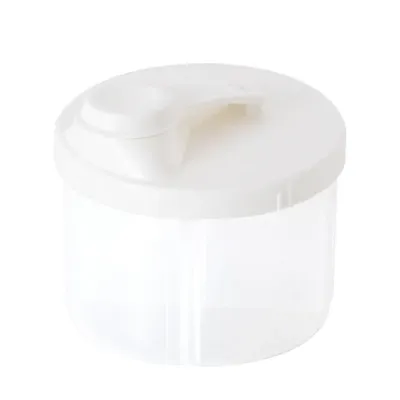
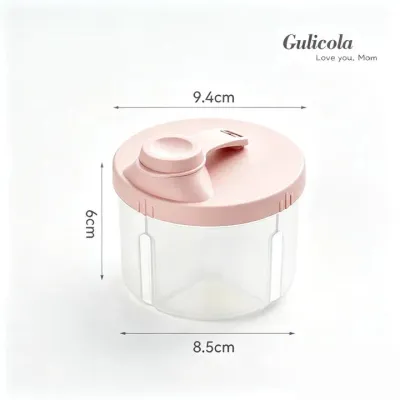
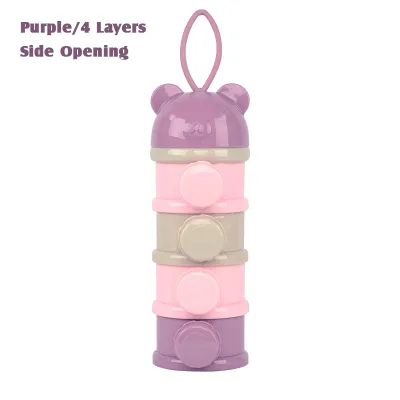
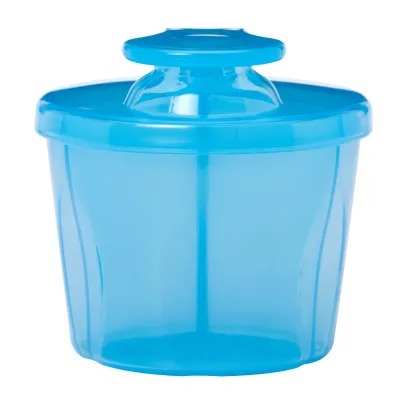
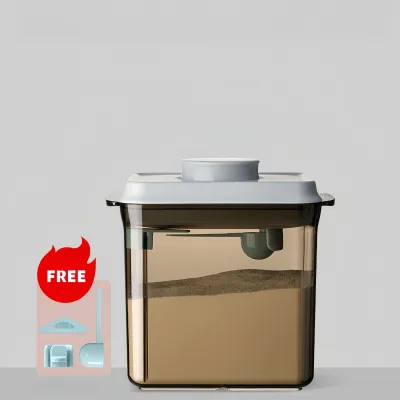
Prices are valid at publication and may change. Please refer to the product page for the latest price.
Next, check the interior of each compartment for any residual powder or moisture from previous uses. Even a single drop of water left behind from washing can ruin an entire portion of formula, causing it to stick to the walls and clump together. This clumping prevents the full amount of powder from pouring out into the bottle, which can lead to an improperly diluted feed.
You should also evaluate whether your dispenser type matches your specific travel needs. Stackable containers allow you to screw individual compartments together, making it easy to bring only the number of feeds you need for a short trip. On the other hand, rotating tower dispensers feature a single container divided into fixed chambers with a rotating lid. While rotating towers are highly compact and fit easily into tight diaper bags, you must ensure the lid aligns perfectly over the correct chamber to prevent powder from migrating between compartments during transit.
Finally, verify how you will manage your formula scoop. Some dispensers are large enough to store a clean scoop in a separate compartment, while others require you to pre-measure everything at home so you can leave the scoop behind. If you must carry the scoop with you, place it in a clean, sterile, resealable pouch rather than letting it sit loose in your diaper bag.
Step-by-Step Guide to Pre-Portioning Formula at Home
Pre-portioning your baby’s formula at home is a task that demands a clean environment and focused attention. Start by washing your hands thoroughly with soap and warm water for at least twenty seconds. Dry them completely with a clean, lint-free towel or a fresh paper towel, as damp hands can transfer moisture directly to the dry formula powder. Clean and sanitize the countertop or table surface where you will be working to minimize the risk of airborne contaminants settling into the dispenser.

Ensure that every component of your milk dispenser baby formula container is completely dry before you open your formula tin. If you have recently washed the dispenser, double-check the corners, threads, and spouts where water droplets tend to hide. If necessary, let the parts air-dry a bit longer on a clean rack before proceeding.
When measuring the powder, always use the specific scoop that came inside your current tin of formula. Do not use a scoop from a different brand, an older tin, or a standard kitchen spoon.
Formula manufacturers design their scoops to match the exact density and weight of their specific powder formulation. Using the wrong scoop can easily result in a mixture that is too concentrated or too diluted, both of which can cause digestive issues or nutritional imbalances for your baby.
Scoop the powder gently from the tin, allowing it to heap slightly over the rim. Use a clean, dry, flat utensil—such as the back of a butter knife or the built-in leveling bar on the tin—to level off the top of the scoop. Avoid packing the powder down into the scoop, as this packs too much formula into a single serving. Carefully pour the leveled scoop into one of the dispenser compartments, repeating the process until you have added the exact number of scoops required for a single feeding bottle.
Once you have filled the necessary compartments, seal the dispenser immediately. For stackable models, screw each layer together tightly, ensuring the threads align correctly to prevent leaks.
For rotating models, secure the main lid and ensure the pouring spout is capped tightly. Keep the loaded dispenser in a cool, dry place away from direct sunlight while you finish preparing the rest of your diaper bag.
Mixing the Bottle Safely While Out and About
When your baby is ready to feed while you are out, finding a clean space to prepare the bottle is your first priority. If a clean table is not available, look for a flat, stable surface where you can set your items down safely. Wash your hands with soap and water if a restroom is nearby, or use an unscented hand sanitizer and let your hands dry completely before handling the feeding equipment.
To mix the formula safely, you must carry clean, safe drinking water in a separate, high-quality insulated flask. This flask helps maintain the water temperature recommended by your formula manufacturer. Always consult the specific instructions on your formula tin regarding the ideal water temperature for preparation, as some formulas require water that has been boiled and cooled to a specific temperature to ensure safety.
Always pour the measured water into the sterilized feeding bottle first. This is a critical step that many parents get backward.
If you put the powder into the bottle first, it displaces the water, making it impossible to read the volume markings on the bottle accurately. This mistake often leads to adding too little water, resulting in a highly concentrated feed that can strain your baby’s kidneys and digestive system.
Once the water is in the bottle, open the spout of your pre-portioned dispenser compartment. Carefully align the spout directly over the neck of the feeding bottle and pour the powder in. If some powder clings to the walls of the dispenser due to static or humidity, tap the bottom of the container gently to release the remaining grains. Avoid touching the inside of the dispenser spout or the rim of the feeding bottle with your fingers to prevent transferring bacteria.
Secure the bottle nipple and collar tightly onto the bottle. Shake the bottle gently or swirl it thoroughly until all the powder is completely dissolved and no clumps remain at the bottom. Before offering the bottle to your baby, always test the temperature of the milk by shaking a few drops onto the inside of your wrist. The liquid should feel comfortably warm or neutral; if it feels hot, let the bottle cool down before feeding.
Cleaning and Storing the Dispenser After Your Outing
Maintaining your milk dispenser baby formula container is just as important as using it correctly. As soon as you return home from your outing, disassemble all the parts of the dispenser. Do not leave the empty or partially used dispenser sitting in your diaper bag for days, as any leftover powder residue can quickly harden, attract pests, or begin to grow mold in warm, humid climates.
Wash every component thoroughly in warm, soapy water using a mild dishwashing liquid designed for baby accessories. Use a small, soft-bristled brush to clean hard-to-reach areas, such as the threads of the screw caps, the interior corners of the compartments, and the narrow opening of the pouring spout. If the manufacturer’s instructions explicitly state that the dispenser is dishwasher-safe, you can place it on the top rack; however, hand washing is often gentler on the plastic seals.
After washing, rinse all parts thoroughly with clean water to remove any soap residue. If you choose to sterilize the dispenser, verify that the material is compatible with steam, boiling water, or cold-water sterilizing tablets by checking the product packaging. Some plastics can warp or degrade when exposed to extreme heat.
Allow all components to air-dry completely on a clean, elevated drying rack. Avoid using a dish towel to dry the inside of the compartments, as this can transfer lint, dust, or bacteria back onto the clean surfaces. Store the disassembled or loosely assembled dispenser in a clean, dry cabinet until your next trip.
Common Mistakes to Avoid When Using a Formula Dispenser
One of the most dangerous mistakes a caregiver can make is pre-mixing formula powder and water in a feeding bottle hours before it will be consumed. Once water is added to formula powder, the mixture becomes highly susceptible to rapid bacterial growth.
If you leave a pre-mixed bottle at room temperature or in a warm diaper bag, bacteria can multiply to unsafe levels within a short period. Always keep the dry powder and water separate until the exact moment your baby is ready to eat.
Another common error is storing a loaded formula dispenser in hot environments. Leaving your diaper bag inside a parked car, under direct sunlight at the beach, or near a hot window can expose the dry powder to extreme temperatures. High heat can degrade the delicate vitamins and nutrients in the formula, reducing its nutritional quality and potentially altering its taste. Always carry the dispenser in a shaded, well-ventilated bag, and keep it indoors whenever possible.
Finally, never use a mismatched scoop or estimate the amount of powder by eye. It can be tempting to use a scoop from a previous formula brand or a standard tablespoon if you lose your current scoop, but this compromises the safety of the feed. Different formula brands have unique powder densities, meaning a scoop of one brand may weigh significantly more or less than a scoop of another. Always stick to the scoop provided in the active tin to ensure your baby receives the correct balance of nutrients and hydration.
Frequently Asked Questions (FAQ)
Can I leave pre-portioned formula in the dispenser for several days?
While dry formula powder is relatively stable, portable dispensers do not offer the same airtight, moisture-resistant seal as the manufacturer’s original metal tin. In humid environments, moisture can slowly penetrate the plastic joints, causing the powder to clump and degrade.
It is highly recommended to use pre-portioned formula within 24 to 48 hours of packing it. Always check your specific formula tin for any storage guidelines, and discard any powder that has been exposed to moisture or looks clumped.
Is it safe to mix formula powder with water directly in the dispenser?
No, you should never add water directly into a formula dispenser. These containers are designed exclusively for storing dry powder.
Attempting to mix formula inside the dispenser will lead to severe clumping, inaccurate water-to-powder ratios, and a high risk of bacterial contamination. Mixing must always take place inside a clean, sterilized feeding bottle where you can accurately measure the water volume first before adding the pre-portioned powder.

Community discussion
Share your experience or ask a question. Comments are reviewed before publication.