
Preparing a baby bottle while away from home does not have to be a stressful balancing act of heavy tins, scoops, and spilled powder. A formula milk dispenser allows you to pre-portion exact amounts of dry formula into separate, travel-friendly compartments before you step out the door. When your baby is ready to feed, you simply pour the pre-measured powder directly into a bottle of warm water, eliminating the need to measure scoops in crowded public spaces or moving vehicles. This simple tool keeps your diaper bag organized, minimizes preparation time, and ensures your baby receives an accurately mixed feed every single time.
In tropical climates like the Philippines, where high humidity and warm temperatures are constant, keeping formula powder dry and free from moisture is essential. Excess moisture can cause powder to clump, which prevents it from dissolving properly and can lead to inaccurate feeding measurements. By understanding how to properly prepare, pack, and use your dispenser, you can confidently navigate outdoor trips, mall visits, and family outings without compromising your baby’s nutrition or hygiene.
What You Need Before You Leave Home
Before you begin filling your formula milk dispenser, proper preparation of the container itself is the most critical step. Start by washing all parts of the dispenser—including the individual compartments, funnel lids, and outer caps—in warm, soapy water. If the manufacturer’s instructions permit, you can sterilize the components using a steam sterilizer or by boiling them, which helps eliminate any lingering bacteria.
Products mentioned in this guide
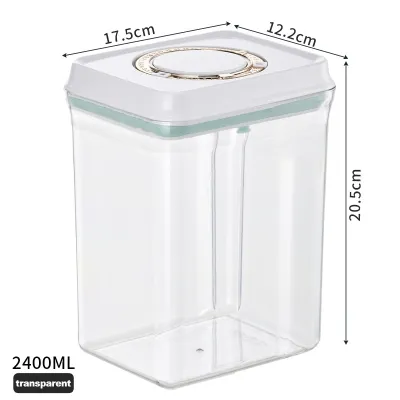
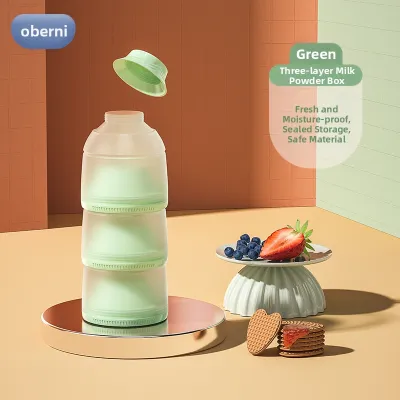
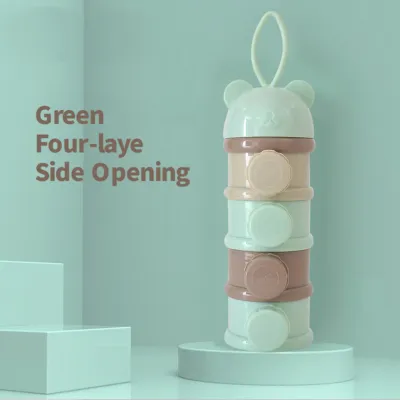
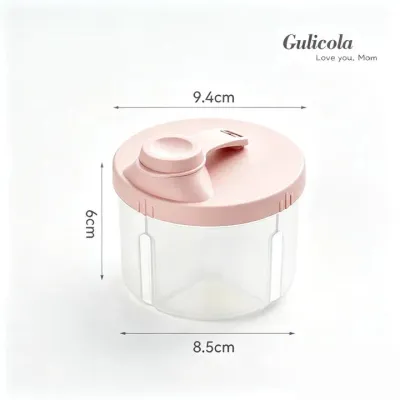
Prices are valid at publication and may change. Please refer to the product page for the latest price.
Once washed, every single layer must be allowed to dry completely. In humid environments, air-drying can sometimes take longer, so ensure you place the parts on a clean, dry rack in a well-ventilated area. Even a single drop of trapped moisture inside a compartment will cause the formula powder to stick to the walls, form hard clumps, and make it incredibly difficult to pour out when you are on the go.
After verifying that the dispenser is bone-dry, you can begin measuring the formula. Carefully scoop the exact amount of powder required for a single feeding into one compartment. Always measure according to your baby’s current age, development stage, and appetite, following the specific mixing ratios provided by your formula manufacturer. Repeat this process for the other compartments, keeping each feed separated so you do not have to do any mental math while out.
Finally, assemble the dispenser by stacking the compartments or securing the rotating lid, depending on the design of your specific model. Double-check that the threads are aligned correctly and that the middle separators are tightly sealed. A loose seal can cause powder to migrate between compartments or leak into your diaper bag, resulting in wasted formula and messy cleanups.
Packing and Carrying the Dispenser Safely
Once your dispenser is filled and sealed, how you pack it determines how well the powder remains protected during your journey. Place the dispenser in an upright position within a dedicated, clean compartment of your diaper bag. Keeping it away from loose items like keys, toys, or soiled clothes reduces the risk of the lid accidentally twisting open or becoming contaminated by external dirt.

Alongside your dispenser, you will need to pack your liquid components and feeding vessels. Fill your sterilized baby bottles with the exact amount of clean, safe water needed for each feed before you leave. Carry a reliable insulated thermos filled with hot water that has been boiled and cooled to the temperature recommended on your formula packaging. This setup allows you to mix the water to the perfect warm temperature right before you add the powder.
Protecting your feeding gear from environmental elements is highly important when traveling. Avoid leaving your diaper bag in direct sunlight, inside a hot parked car, or near heat sources, as extreme temperatures can degrade the plastic of the dispenser. High heat can also compromise the nutritional quality of the dry formula powder and encourage the growth of any dormant bacteria.
If you plan to be out for the entire day, consider using an insulated cooler bag to keep your prepared water bottles and dispenser at a stable, moderate temperature. This is especially helpful during outdoor excursions or beach trips where ambient temperatures can rise quickly. Keeping your supplies cool and dry ensures the powder remains fresh and easy to pour when feeding time arrives.
Step-by-Step Guide to Mixing Formula on the Go
When your baby shows signs of hunger, find a clean, stable surface to set up your feeding station. Before touching any of your baby’s feeding equipment, thoroughly wash your hands with soap and clean water if a restroom is available. If you are in a park or a vehicle without access to running water, apply a generous amount of alcohol-based hand sanitizer and rub your hands together until they are completely dry.
Prepare the water in the bottle first by mixing the cool sterilized water with warm water from your thermos until you reach the desired temperature. Always add the water to the bottle before adding the powder to ensure the liquid volume is perfectly accurate. Adding powder first can displace the water, leading to a highly concentrated mixture that can strain your baby’s developing digestive system.
Once the water is ready, prepare the dispenser by positioning the pouring spout or unscrewing the designated compartment layer. If you are outdoors, try to find a sheltered spot or use your body to shield the bottle from wind, dust, or sudden drafts. This prevents airborne particles from entering the bottle and stops light formula powder from blowing away during the transfer.
Carefully align the spout of the dispenser with the neck of the baby bottle and pour the pre-portioned powder into the water. Tap the sides of the dispenser gently to encourage any stubborn powder to slide out of the compartment. Because you ensured the container was completely dry before leaving home, the powder should flow smoothly without leaving sticky residue behind.
Immediately secure the nipple and collar onto the bottle to prevent spills. Shake the bottle vigorously up and down, or swirl it thoroughly, until all the powder is completely dissolved and no clumps remain at the bottom. Before offering the bottle to your baby, squeeze a few drops of the mixed formula onto the inside of your wrist to verify that the temperature is comfortably warm and safe.
Handling Leftovers and Cleaning Up After Feeding
After your baby has finished feeding, you must handle any remaining milk with strict hygiene standards in mind. If your baby does not finish the entire bottle within one hour of starting the feed, discard the leftover formula immediately. Saliva from your baby’s mouth enters the bottle during sucking, introducing bacteria that multiply rapidly in warm, nutrient-rich milk, making it unsafe to save for later.
Do not attempt to store or reuse the empty, used compartments of your dispenser while you are still out. Instead, rinse the empty layer with clean water if possible, or simply place the disassembled parts into a dedicated, sealed wet bag inside your diaper bag. This keeps any residual milk powder from sticking to other items in your bag and prevents pests from being attracted to your gear.
Once you return home, prioritize cleaning all the used feeding equipment as soon as possible. Disassemble the dispenser completely, separating each compartment, lid, and silicone seal. Wash them thoroughly in warm, soapy water using a dedicated bottle brush to reach into the corners where powder might have settled, then sterilize them according to your usual routine.
If you need to prepare for another outing later in the day, ensure the washed parts are completely dry before reassembling them. Stacking damp compartments together traps moisture, which will ruin the next batch of formula powder you measure out. Taking the time to clean and dry each component properly preserves the lifespan of your dispenser and protects your baby’s health.
Common Mistakes to Avoid When Using a Dispenser
One of the most critical mistakes parents can make is attempting to pre-mix formula powder and water inside the dispenser compartments. Formula milk dispensers are designed strictly for dry storage; mixing water and powder ahead of time creates a highly favorable environment for harmful bacteria to grow. Always keep the dry powder and water completely separate until the exact moment your baby is ready to feed.
Another frequent error is leaving formula powder inside the dispenser for multiple days or weeks. Even with a tight seal, prolonged exposure to ambient humidity can slowly degrade the powder, causing it to lose its freshness and clump together. Only fill your dispenser with the amount of powder you expect to use during your current outing, and empty any unused dry powder back into the main tin if it remains unused at the end of the day.
Overfilling the individual compartments is also a common issue that can lead to feeding errors and messy spills. Pushing too much powder into a single section compresses the formula, making it difficult to pour out completely and potentially altering the feeding ratio if some powder remains stuck inside. Always choose a dispenser size that comfortably accommodates your baby’s current feeding volume without requiring you to pack the powder down.
Lastly, avoid using abrasive sponges or harsh chemical cleaners when washing your dispenser. These can scratch the plastic surfaces, creating tiny crevices where bacteria and old milk proteins can hide and multiply. Stick to soft bottle brushes, mild dish soap, and gentle sterilization methods to keep the plastic smooth, clean, and safe for long-term use.
Frequently Asked Questions (FAQ)
Can I put liquid formula or breast milk in a powder dispenser?
Standard stackable or rotating formula dispensers are engineered exclusively for dry powder and do not feature the airtight, liquid-proof seals required to hold fluids. Attempting to store liquid formula or breast milk in these compartments will result in severe leakage, messy spills inside your diaper bag, and rapid spoilage. Liquid formula and breast milk require specialized, leak-proof storage bottles or sterile breast milk bags, which must be kept cold using ice packs and insulated bags to prevent bacterial growth.
How long can formula powder stay in the dispenser before use?
Dry formula powder can generally remain in a clean, tightly sealed dispenser for up to 24 hours, provided the dispenser was completely dry when filled and has been kept in a cool, shaded environment. Always consult your specific formula manufacturer’s guidelines regarding how long the powder can be exposed to air after opening the main container. If you notice any signs of clumping, discoloration, or an unusual odor when opening the dispenser, discard the powder immediately and do not feed it to your baby.

Community discussion
Share your experience or ask a question. Comments are reviewed before publication.