
Transitioning your baby from a bottle to a straw tumbler is a significant milestone in their developmental journey. This shift not only supports oral motor development but also helps your little one build the independence needed for successful weaning. Introducing a baby tumbler with straw requires patience, a step-by-step approach, and an understanding of your baby’s unique developmental pace. By recognizing readiness signs, choosing the right cup, and using gentle teaching techniques, you can make this transition smooth and stress-free. In warm tropical climates, ensuring your baby stays hydrated with water or milk during this transition is especially important, making the choice of a reliable, easy-to-use tumbler a key part of your daily routine.
Recognizing Readiness Signs for the Transition
To start the transition, look for specific physical and behavioral cues that show your baby is ready to move beyond the bottle. Most babies begin showing these signs around six to nine months of age, which often coincides with the introduction of solid foods. One of the most critical indicators is your baby’s physical stability. Your baby should be able to sit upright independently in a high chair with good head and neck control, as this posture ensures safe swallowing and reduces the risk of choking.
Additionally, observe your baby’s fine motor skills and hand-eye coordination. If your baby can grasp small toys, bring objects directly to their mouth, or attempt to hold their own feeding bottle, they likely have the physical capability to handle a lightweight tumbler.
Products mentioned in this guide
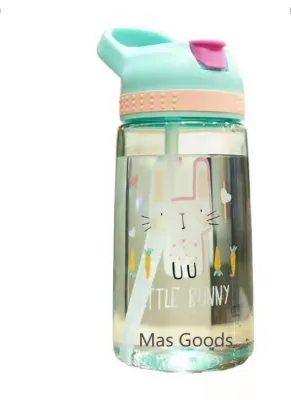
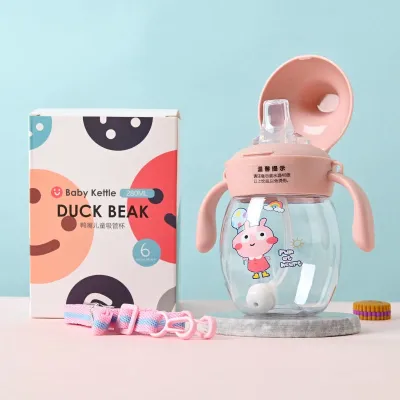
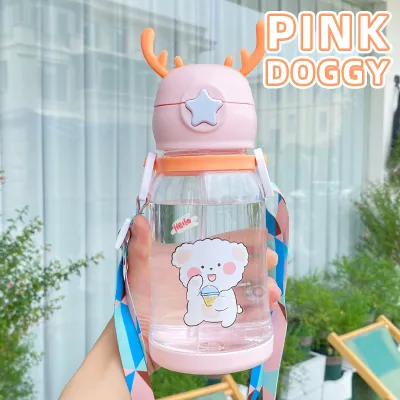
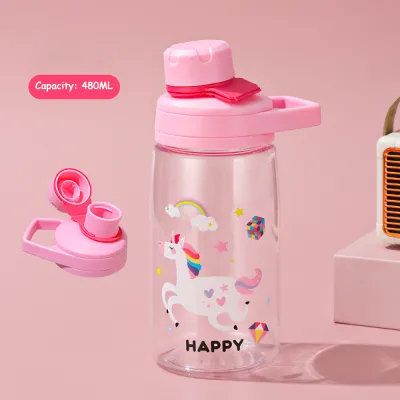
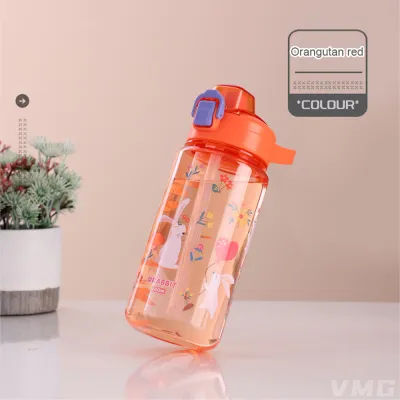
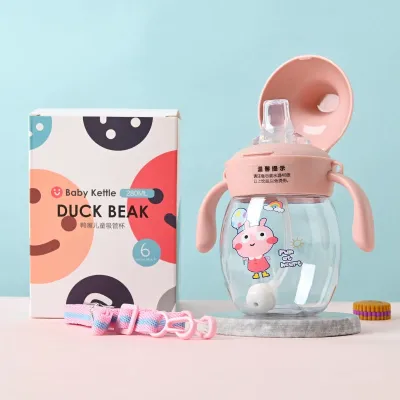
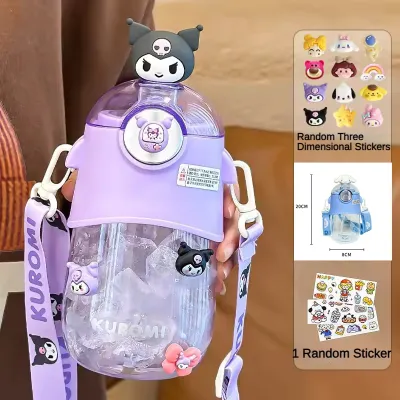
Prices are valid at publication and may change. Please refer to the product page for the latest price.
Behavioral interest is another clear sign of readiness. You might notice your baby watching intently whenever you or other family members drink from a glass or water bottle. They might reach out to touch your cup or mimic drinking motions with their mouth.
While these developmental milestones are excellent indicators, every baby grows at their own pace. It is highly recommended to consult your pediatrician or a pediatric healthcare professional before starting the transition. They can evaluate your baby’s specific weaning progress, nutritional requirements, and physical development to confirm that introducing a straw cup is appropriate for their current stage.
Choosing the Right Baby Tumbler with Straw for Weaning
Selecting the right baby tumbler with straw is essential for a successful transition, as the design of the cup can either ease or hinder your baby’s learning process. When browsing options at local baby boutiques or online marketplaces, pay close attention to the straw mechanism. For beginners, a weighted straw is often highly beneficial. This design features a small weight at the bottom of a flexible silicone straw, allowing the straw to move with the liquid regardless of the angle at which your baby tilts the cup. This is particularly helpful for babies who are accustomed to tilting bottles upward to drink.

Another key feature to evaluate is the valve design. Many baby tumblers utilize a cross-cut or bite-activated valve within the straw. This mechanism prevents spills when the cup is dropped or turned upside down, and it also controls the flow of liquid, preventing your baby from drawing too much fluid at once and choking. However, some babies find these valves difficult to use initially because they require both biting and sucking actions. If your baby struggles, you may want to look for a free-flow silicone straw that requires less suction effort, though these will require closer supervision to manage spills.
Safety and material quality must be verified by carefully reading product labels and packaging. Ensure the tumbler is clearly labeled as BPA-free and made from food-grade silicone and durable, non-toxic plastics. Always check the manufacturer’s age recommendations on the packaging to ensure the cup size and straw thickness are appropriate for your baby’s developmental stage.
Finally, consider the physical ergonomics of the tumbler. Look for models equipped with large, easy-to-grip handles that fit comfortably in your baby’s small hands. The cup itself should be lightweight, even when filled with liquid, so it does not overwhelm your baby’s developing grip strength. Removable handles are a great feature, as they allow the cup to grow with your baby as their coordination improves.
Step-by-Step Guide to Introducing the Straw Tumbler
Introducing a straw tumbler should be a gradual process that builds your baby’s confidence without causing frustration. To start, fill the tumbler with a familiar liquid, such as expressed breast milk or prepared infant formula. Using a familiar taste helps your baby associate the new container with a positive, comforting reward. If your baby is over six months old and has started solids, you can also use small amounts of water, which is especially refreshing during warm, humid afternoons.
To help your baby understand the cause-and-effect relationship of sucking through a straw, you can use a simple demonstration method. Take a clean, reusable silicone straw, dip it into the milk or water, and place your finger over the top opening to trap a small amount of liquid inside. Bring the bottom of the straw to your baby’s lips and slowly release your finger so a few drops enter their mouth. This helps them realize that liquid comes out of the straw. Once they understand this concept, place the straw of the tumbler in their mouth and gently guide them to suck.
If your tumbler is made of a squeezable material, you can also gently squeeze the base of the cup to push a small amount of liquid up the straw just as your baby puts it to their lips. This immediate reward teaches them that drawing from the straw results in getting a drink.
As your baby begins to grasp the concept of sucking, transition from holding the cup for them to letting them hold it independently. Sit closely and guide their hands onto the tumbler’s handles. Encourage them to bring the cup to their mouth on their own, offering plenty of verbal praise.
Always manage the liquid volume carefully during these initial practice sessions. Only fill the tumbler with a small amount of liquid—about 30 to 60 milliliters—to keep the cup lightweight and prevent your baby from accidentally swallowing too much liquid at once. Always supervise your baby closely during these sessions to ensure they do not tilt the cup too far or choke on the liquid.
Overcoming Common Resistance and Troubleshooting
It is entirely normal for babies to resist the straw tumbler initially or experience setbacks during the transition. If your baby refuses the cup, try to identify the underlying cause rather than forcing the issue. Teething discomfort is a common reason for refusal; if your baby’s gums are sore, biting down on a firm straw or sucking can cause discomfort. In such cases, offering a chilled teething toy before mealtime can help soothe their gums and make them more receptive to the cup.
Liquid temperature can also play a role in acceptance. Some babies prefer their milk slightly warm, just like their bottle, while others might prefer cool water, especially in hot weather. Experiment with different temperatures to see what your baby prefers. Additionally, if the straw flow is too fast or too slow, your baby may become frustrated. Check the valve to ensure it is not clogged and that liquid can flow with reasonable effort.
The feeding environment can significantly impact your baby’s focus. During the learning phase, try to minimize distractions. Choose a quiet, calm area for meals, turn off screens, and keep the atmosphere relaxed. If your baby becomes highly frustrated, cries, or pushes the tumbler away, it is best to pause the session. Forcing the cup can create negative feeding associations that make future attempts much harder. Temporarily revert to the bottle or breast, and try introducing the straw tumbler again in a few days when your baby is calm and alert.
Cleaning and Maintaining the Straw Tumbler
Maintaining strict hygiene is crucial when using straw tumblers, as the small, narrow components can easily trap milk residue, moisture, and bacteria. This is particularly important in humid tropical climates, where mold can develop rapidly in hidden crevices. To ensure safety, completely disassemble all removable parts of the tumbler after every single use. This includes removing the silicone straw, the weighted base (if applicable), the anti-colic or spill-proof valves, and the rubber seals inside the lid.
Wash all parts thoroughly using warm, soapy water and dedicated cleaning tools. A thin straw brush is absolutely essential for scrubbing the inside of the straw and clearing out any stubborn milk fat or residue. Avoid using harsh chemical cleaners or abrasive sponges that could scratch the plastic or damage the delicate silicone valves.
Before sterilizing or placing the tumbler in a dishwasher, always consult the manufacturer’s instructions. Some plastics and silicone parts can degrade, warp, or lose their spill-proof properties when exposed to extreme heat. If the manufacturer permits, you can use a steam sterilizer or boiling water, but always adhere to the recommended time limits to preserve the structural integrity of the cup. Allow all components to air dry completely in a well-ventilated area before reassembling the tumbler for the next use.
Frequently Asked Questions (FAQ)
Can I skip the sippy cup and go straight to a straw tumbler?
Yes, skipping the traditional hard-spout sippy cup and transitioning directly from a bottle to a straw tumbler is highly recommended by many pediatric experts and speech-language pathologists. Unlike hard spouts, which promote a tongue-thrusting motion similar to bottle feeding, drinking from a straw encourages active tongue retraction and strengthens the lips, cheeks, and jaw muscles. This oral motor development is beneficial for speech clarity and proper swallowing habits as your baby grows.
What should I do if my baby keeps biting the straw instead of sucking?
Biting the straw is a very common reaction, especially for teething babies who enjoy the texture of soft silicone on their gums. To address this, try offering a dedicated teething toy or a cold washcloth to soothe their gums before you offer the straw tumbler. You can also model the correct sucking motion by drinking from a straw yourself, exaggerating your lip placement so your baby can observe and copy you. Avoid pulling the cup away abruptly, as this can turn the biting behavior into a game.
How long should the bottle-to-straw transition take?
There is no fixed timeline for the bottle-to-straw transition, as every baby adapts at their own pace. Some babies may grasp the concept within a few days, while others may take several weeks or even a couple of months to become fully comfortable drinking from a straw tumbler. The key is to follow a baby-led pace, keeping the experience positive and pressure-free. Consistency and daily practice are far more important than rushing to meet a specific deadline.

Community discussion
Share your experience or ask a question. Comments are reviewed before publication.