
Verifying the authenticity of your baby’s skincare products is essential for preventing skin irritation and ensuring effective protection. To tell if your Sudocrem is authentic or fake, you must perform a comprehensive check of the packaging quality, label print sharpness, batch code consistency, and the physical properties of the cream itself, such as its scent and texture. Because counterfeiters constantly improve their methods, relying on a single visual detail is rarely enough to guarantee a genuine product.
In the warm and humid climate of the Philippines, diaper rash and heat friction are common challenges for infants. Applying an unverified or counterfeit cream to compromised skin can worsen inflammation or introduce harmful, unregulated chemicals. Taking a few minutes to inspect your purchase ensures you are applying a safe, high-quality barrier cream to your baby’s delicate skin.
Quick Guide to Verifying Your Sudocrem
When you are managing a busy household, you need a fast and reliable way to evaluate new skincare purchases. A quick inspection should focus on the overall build of the tub, the legibility of the printed text, and the consistency of the cream inside. Genuine tubs are manufactured to strict quality standards, resulting in clean plastic molding, a secure lid fit, and sharp, smudge-free labeling.
Products mentioned in this guide
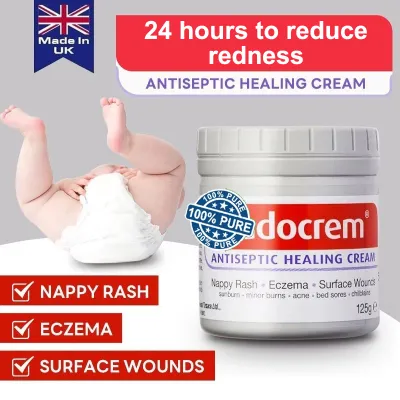
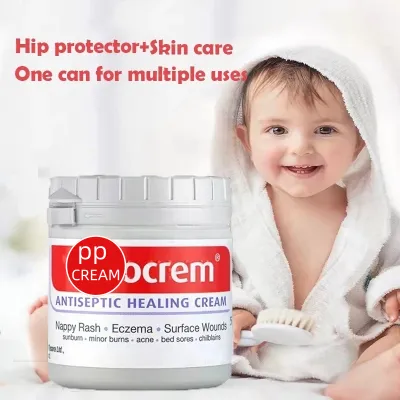
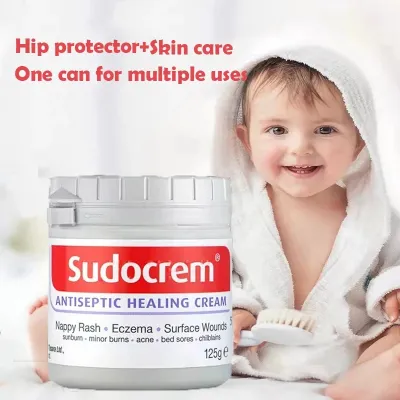
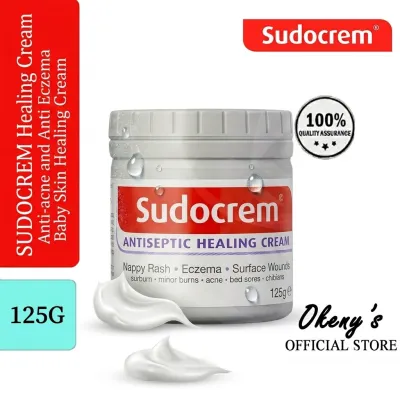
Prices are valid at publication and may change. Please refer to the product page for the latest price.
However, because packaging designs can vary by region and production year, no single surface feature offers an absolute guarantee of authenticity. You must combine visual packaging checks with an evaluation of the cream’s physical properties. If you notice any unusual separation, a harsh chemical smell, or if your baby develops unexpected skin irritation, redness, or a rash after application, stop using the product immediately and consult a pediatrician.
Inspecting the Packaging and Labels
Counterfeiters often struggle to replicate the high-precision manufacturing processes used by established brands. By closely examining the physical container and the printed labels, you can spot common manufacturing flaws that indicate a counterfeit product.

- Jar and Lid Quality: Examine the gray plastic tub for any rough, uneven mold seams or excess plastic along the edges. The plastic should feel sturdy and thick, not flimsy or easily squeezed. The lid should fit tightly and securely onto the jar, requiring a deliberate twist or pull to open, which prevents the cream from drying out in humid tropical environments.
- Label Details: Inspect the printed text on the label very closely. Genuine packaging features crisp, clear typography with no blurry edges, color bleeding, or misaligned letters. Check for spelling mistakes, grammatical errors, or unusual font choices, which are common indicators of low-cost replication. The label should also display clear regulatory information, importer details, or manufacturer addresses.
- Batch Codes and Expiry Dates: Look for the batch code and expiration date, which are typically stamped or printed directly onto the tub or the label. On genuine products, these codes are sharp, aligned, and resistant to light rubbing. If the code looks hastily stamped, smudged, or easily wipes away with a damp finger, treat the product with suspicion.
- Security Seals: Some packaging variations include tamper-evident seals or specific plastic wraps around the lid. While packaging designs are updated periodically and may not look identical across all batches, any seal that looks poorly aligned, loosely applied, or hand-glued is a significant warning sign.
Checking the Texture, Scent, and Consistency
Once you open the jar, the physical characteristics of the cream itself provide excellent clues regarding its authenticity. Genuine barrier creams are formulated to maintain a stable structure, even when subjected to varying storage conditions.
- Color and Consistency: The cream should present as a thick, smooth, and uniform white paste. It should not look watery, excessively oily, or separated. If you notice a layer of liquid sitting on top of the cream, or if the texture feels gritty, clumpy, or uneven, the formulation may be compromised or counterfeit.
- Scent Profile: A genuine formulation carries a very mild, clean, and pleasant scent, often with subtle hints of lavender. It should never smell intensely perfumed, sour, or metallic. A strong, pungent chemical odor is a major red flag, suggesting the use of industrial-grade ingredients or unauthorized fragrance additives.
- Skin Feel and Absorption: When rubbed between your fingers, the cream should feel rich and smooth, spreading evenly to form a visible, protective barrier on the skin. It should not feel excessively sticky, watery, or disappear instantly like a standard moisturizing lotion. It should also not cause any immediate tingling, burning, or warming sensation on your skin.
- Safety Warning: Before applying any new batch of cream to your baby's diaper area, perform a small patch test on your own skin or a tiny, unaffected area of your baby's arm. If you observe any redness, swelling, or signs of discomfort, wash the cream off with mild water immediately and do not use the product.
Choosing Trusted Purchase Channels in the Philippines
The most effective way to avoid counterfeit baby products is to be highly selective about where you shop. Purchasing from unverified sources significantly increases the risk of receiving a fake item.
- Official and Authorized Retailers: Whenever possible, buy your baby care essentials from established, physical pharmacies, major supermarket chains, or dedicated baby specialty stores. These retailers source their inventory directly from authorized distributors, ensuring a secure supply chain.
- Navigating E-commerce Platforms: If you prefer shopping online, exercise caution on digital marketplaces. Look for sellers with official mall badges, high positive feedback ratings, and a long history of operations. Read the recent customer reviews carefully, paying close attention to any reviews that mention strange packaging, unusual smells, or skin reactions.
- Price Red Flags: Be skeptical of deals that seem too good to be true. If a seller is offering a tub of cream at a price significantly lower than the standard retail price in major local pharmacies (for example, a discount of 50% or more), it is highly likely to be a counterfeit or an expired product.
- Verifying Seller Credentials: Do not hesitate to message online sellers to ask about their sourcing. Reputable sellers are usually transparent and willing to provide information about their distributors, whereas counterfeit distributors often provide vague or evasive answers.
What to Do If You Suspect a Counterfeit Product
If you have completed these checks and suspect that your jar of cream is not genuine, you must take immediate action to protect your family and help inform the community.
- Stop Use and Monitor: Immediately cease using the suspected product on your baby. Store the jar out of reach of children. Monitor your baby's skin closely for any signs of contact dermatitis, persistent redness, or irritation, and seek professional medical advice from a pediatrician if any symptoms arise.
- Document and Report: Take clear, high-resolution photographs of the jar, the label, the batch code, and the cream's texture. Keep your physical or digital purchase receipt. Report the seller directly to the e-commerce platform's customer support team or file a report with local consumer protection authorities to help prevent other parents from purchasing the same batch.
- Contact the Manufacturer: Reach out to the brand's official customer service channels or local representatives. Provide them with the batch code, purchase location, and photos of the packaging. They can often verify if the batch code matches their production records and advise you on regional packaging variations.
Frequently Asked Questions (FAQ)
Can I rely solely on the barcode to check if my Sudocrem is real?
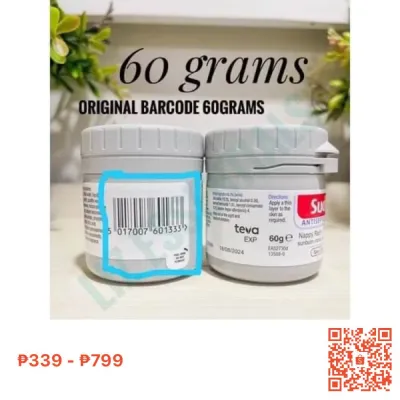
No, you cannot rely entirely on a barcode scan to verify authenticity. Barcodes are simple graphic representations of product numbers that identify the product type and manufacturer, not the individual item’s legitimacy. Counterfeiters can easily copy a valid barcode from a genuine tub and print it onto thousands of fake labels. A barcode scanner may show that the code belongs to the correct brand, but it cannot verify the contents of the jar. Barcode scanning should only be used as a preliminary step alongside detailed physical and packaging inspections.
Does a different packaging design mean my Sudocrem is fake?
Not necessarily. Manufacturers periodically update their packaging designs, label layouts, fonts, and container shapes to comply with changing local regulations, refresh their brand image, or introduce new security features. Additionally, products imported from different regions (such as Europe, Australia, or the United Kingdom) may feature slight variations in language, layout, and distributor details. If you notice a design difference, compare the overall print quality, plastic thickness, and batch code alignment rather than just the visual layout, or contact the manufacturer to confirm if a design update has occurred.
Is it safe to use Sudocrem if the expiration date is faded but the cream looks fine?
It is not recommended to use any baby skincare product if the expiration date is faded, missing, or appears to have been altered. A faded or scraped-off date is a common sign of product tampering, where expired inventory is repackaged or sold illegally. Over time, active ingredients can degrade, and the preservative system may break down, allowing bacteria or mold to grow inside the jar. Using expired or unverified products on a baby’s sensitive skin carries unnecessary risks of infection and severe irritation. It is always safer to discard the questionable jar and purchase a fresh one from a trusted retailer.

Community discussion
Share your experience or ask a question. Comments are reviewed before publication.