
Quick Answer: How to Verify Your Avent Bottle
Ensuring the authenticity of your baby’s feeding bottle is crucial for their safety, health, and comfort. If you suspect that a bottle you purchased is not genuine, stop using it immediately to prevent potential exposure to unverified materials. You can verify your bottle by carefully comparing its packaging, physical markings, and material quality against the manufacturer’s official specifications.
To eliminate the risk of counterfeits entirely, always prioritize purchasing directly from an Avent official store or an authorized retailer. Taking these proactive steps protects your infant from the hazards of substandard plastics and poorly manufactured feeding components.
Packaging and Labeling Checks
Examining the outer packaging is often the fastest way to spot a counterfeit baby bottle before you even open the box. Genuine packaging features high-quality, crisp printing with clear text, accurate brand logos, and sharp product images. Counterfeit boxes often display blurry text, pixelated graphics, or subtle spelling errors that indicate poor quality control during the printing process.
Products mentioned in this guide
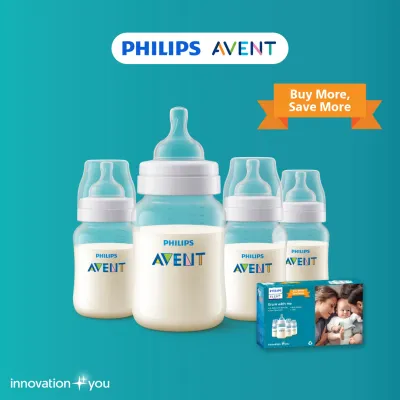
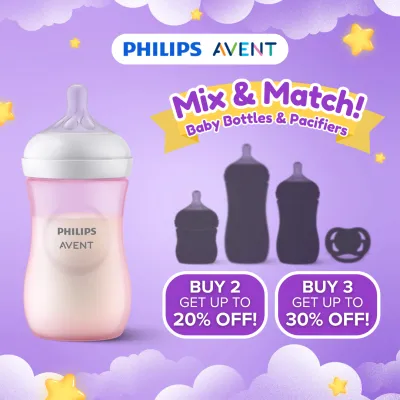
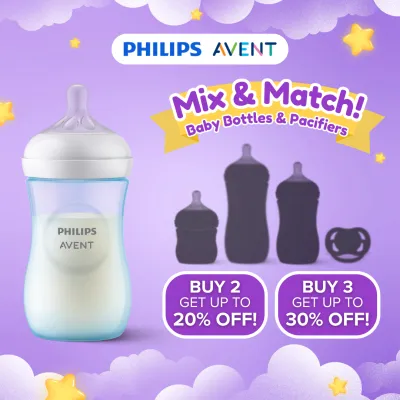
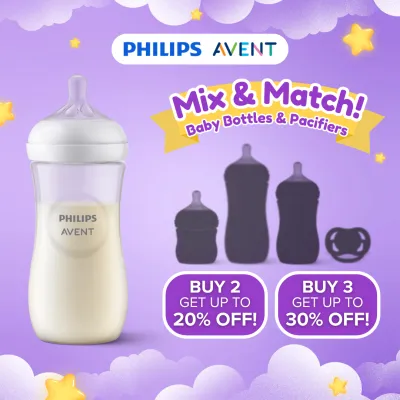
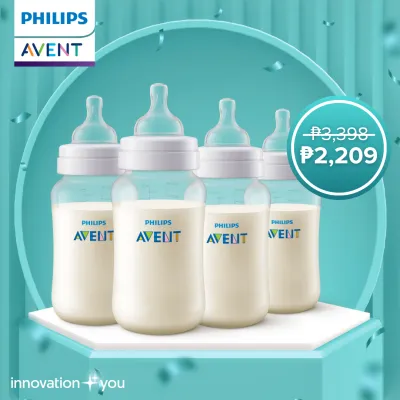
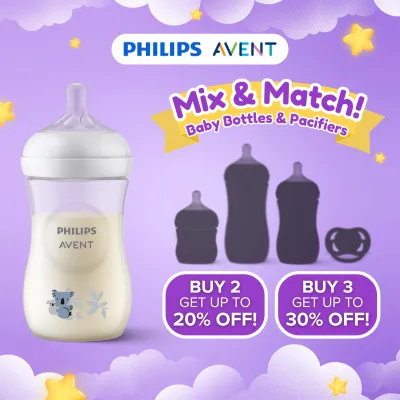
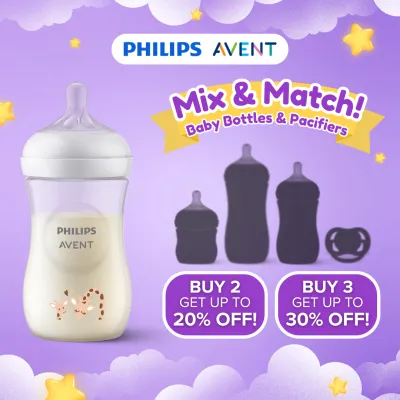
Prices are valid at publication and may change. Please refer to the product page for the latest price.

Next, inspect the batch numbers and manufacturing dates printed on the packaging. On genuine products, these codes are clearly legible and match the codes stamped or etched onto the base of the bottle itself. If the numbers do not match, or if the printing on the bottle base is smudged and easily rubs off, the product’s authenticity is highly questionable. Additionally, verify any safety standards or BPA-free certifications printed on the box by cross-referencing them with the manufacturer’s official product registry.
Finally, check the security seals and barcodes. Legitimate products typically arrive with intact shrink wrap or safety seals that show no signs of tampering. Scan the barcode using a reliable barcode reader to verify if the registered product details align with the physical bottle in your hands, keeping in mind that sophisticated counterfeiters can sometimes replicate standard barcodes. Be sure to inspect the cardboard thickness as well; authentic packaging uses sturdy, high-grade cardboard designed to protect the bottle during transit, whereas counterfeit packaging often feels flimsy and collapses easily under light pressure.
Material Quality and Physical Indicators
The physical build of the bottle provides critical clues about its origin, especially under tropical conditions where high humidity and heat can affect low-quality plastics. Genuine plastic bottles are made from high-grade, uniform materials that are completely clear or consistently tinted, depending on the specific product line. They should not emit strong, unpleasant chemical odors, nor should they have rough, uneven seams along the sides.
Pay close attention to the volume measurement markings on the side of the bottle. On authentic bottles, these markings are printed or etched with absolute precision, aligning perfectly with standard metric measurements. You can test the durability of these markings by gently scratching them; counterfeit markings often rub off easily or appear misaligned and uneven.
The nipple requires careful inspection as it directly affects your baby’s feeding safety. Genuine nipples are made from soft, high-quality silicone that feels smooth and flexible. Check for clear flow rate markings on the nipple base and ensure it fits securely into the screw ring. A loose fit, stiff texture, or persistent leaking during assembly are strong indicators of a counterfeit component. Always verify the recommended age range, flow rate, and specific manufacturer warnings on the product documentation before introducing a new nipple to your baby. Additionally, authentic nipples feature a functional anti-colic valve system that is precisely cut; counterfeit nipples often have poorly cut or completely sealed valves that can cause feeding difficulties for your infant.
Choosing Safe Purchase Channels
The most reliable way to guarantee you are receiving a genuine product is to control where you buy it. Purchasing directly from an Avent official store, the official brand website, or authorized physical pharmacies ensures a secure supply chain. These channels adhere to strict storage and transport standards, protecting the feeding equipment from extreme heat and humidity.
When shopping on online marketplaces or e-commerce platforms, exercise caution with listings that feature unusually low prices. If a deal or bulk discount seems too good to be true—such as a multi-pack priced at ₱150 when a single authentic bottle typically costs over ₱500—it is highly likely to be a counterfeit. Always look for verified seller badges, official mall tags, and positive customer reviews that include real photos of the packaging.
If you are uncertain about a specific retailer’s legitimacy, verify their status before making a purchase. You can cross-reference the seller’s name with the official brand directory on the manufacturer’s website. Alternatively, contact the brand’s customer service department directly to confirm whether the store is an authorized distributor. This simple check can save you from the hassle of dealing with counterfeit goods and potential return disputes.
What to Do If You Suspect a Counterfeit
If your bottle fails any of these physical or packaging checks, prioritize your baby’s health and discontinue using the product immediately. Unverified materials may pose risks of chemical leaching when exposed to high sterilization temperatures, or they may present choking hazards if the nipple tears easily. Always consult a pediatrician or healthcare professional if you suspect your baby has used a compromised feeding bottle.
To seek a resolution, document your purchase thoroughly. Take clear, high-resolution photographs of the bottle, the packaging, the batch codes, and any physical defects you observed. Keep a digital or physical copy of your transaction receipt, as this serves as essential proof of purchase.
Contact the seller immediately to request a full refund, citing your authenticity concerns and providing your documented evidence. Additionally, report the fraudulent listing to the customer support team of the e-commerce platform or file a formal complaint with the local consumer protection agency in the Philippines to help prevent other parents from purchasing unsafe products. Taking these steps helps maintain a safer marketplace for all families.
Frequently Asked Questions (FAQ)
Can I verify an Avent bottle using a QR code or app?
While some product lines feature scannable security labels, not all regions or bottle models include an authentication QR code on the packaging. To avoid misinformation, check the official brand website to see which digital verification tools are currently supported in your area. Avoid relying on unverified, third-party scanning apps, as they may direct you to fraudulent websites designed to mimic official verification pages.
Are slight variations in bottle color or design a sign of a fake?
Slight variations do not always indicate a counterfeit product. Manufacturers periodically update their product designs, manufacturing molds, nipple shapes, and packaging graphics to improve performance or meet updated safety standards. To determine if a variation is legitimate, compare your bottle directly with the current product listings on the official brand website rather than relying on outdated blog posts or older product photos.

Community discussion
Share your experience or ask a question. Comments are reviewed before publication.