
Transitioning your baby from a bottle or breast to a straw cup is a major developmental milestone that requires patience, coordination, and the right approach. While many parents expect their little one to instinctively know how to suck liquid through a straw, the physical mechanics are actually quite different from nursing or bottle-feeding. Instead of using a simple suckle-and-swallow reflex, your baby must learn to seal their lips around a silicone straw, create a vacuum, draw liquid up into their mouth, and swallow without letting the fluid escape.
Introducing this new skill at the right developmental window can prevent unnecessary tears and resistance. By breaking the process down into manageable, stress-free steps, you can help your baby build confidence and master the straw cup naturally. This guide outlines how to recognize when your baby is ready, how to select the best cup design for small hands, and how to troubleshoot common learning hurdles like biting or coughing.
Recognizing Readiness Signs for the Transition
Before purchasing your first baby sippy cup straw, it is essential to observe your baby’s physical and behavioral development. Pediatricians and feeding specialists often suggest introducing a straw cup around six months of age, which often coincides with the introduction of solid foods. However, age is merely a general guideline, and individual developmental milestones are far more reliable indicators of readiness.
Products mentioned in this guide
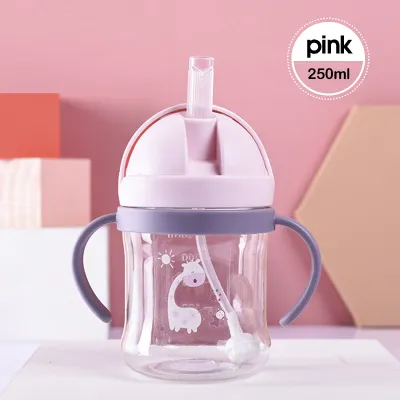
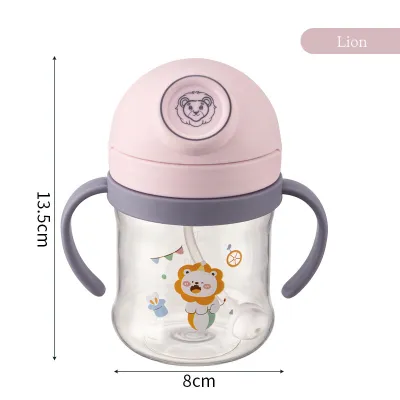
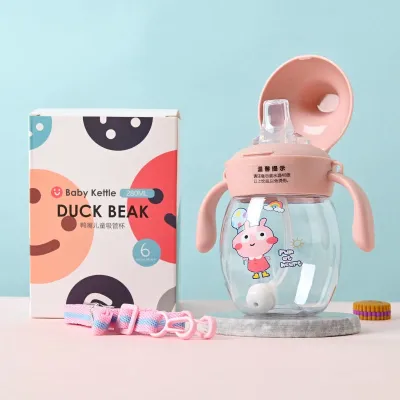
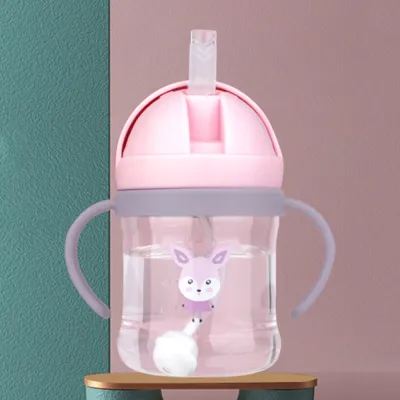

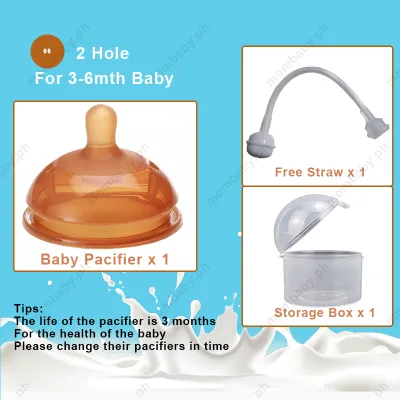
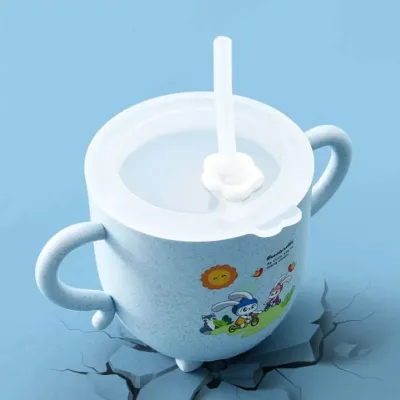
Prices are valid at publication and may change. Please refer to the product page for the latest price.
First, look at your baby’s gross motor skills. Your baby should be able to sit up independently with minimal support, as proper posture is crucial for safe swallowing and preventing choking. Good head and neck control are also necessary so they can tilt or hold a cup without losing their balance. Additionally, your baby should display the ability to grasp objects and bring them directly to their mouth, which shows the hand-eye coordination needed to manage a drinking vessel.
Behavioral interest is another clear sign that your baby is ready to transition. You might notice your little one watching you intently whenever you take a sip from your own glass or water bottle. They may reach out to grab your cup, mimic drinking motions with their mouth, or show curiosity during family meal times. When a baby actively wants to participate in table habits, they are highly motivated to learn how to use their own cup.
Selecting a Beginner-Friendly Baby Sippy Cup Straw
Choosing the right cup can make a significant difference in how quickly your baby adapts to straw drinking. When browsing baby stores or online marketplaces, you will find a variety of designs, but not all are suited for beginners. The primary feature to evaluate is the straw valve type, which directly affects the physical effort required to drink.

Many modern baby cups feature spill-proof valves designed to prevent leaks. While convenient, these valves often require a strong biting-and-sucking motion that can frustrate a beginner. For initial practice, a free-flow straw or a cup with a weighted straw is often easier. A weighted straw allows your baby to drink from almost any angle, even if they tilt the cup backward.
The cup’s build should match your baby’s physical capabilities. Look for lightweight cups with dual, easy-to-grip handles that fit comfortably in tiny hands. A wide, stable base helps prevent tipping on high chair trays. Additionally, verify material safety by checking manufacturer labels for BPA-free certifications, food-grade silicone, and clear care instructions. Because safety standards and certifications can vary, always inspect the product packaging to confirm compliance with local safety regulations before purchase.
Step-by-Step Techniques to Teach Straw Drinking
Teaching your baby to use a straw is easiest when you break the action down into simple, visual demonstrations. One practical method is the pipette technique. To do this, take a clean silicone straw and dip it into water or breast milk. Place your clean finger firmly over the top opening to trap a small amount of liquid inside, then lift the straw.
Bring the bottom of the straw to your baby’s lips at a slight downward angle. Once they touch the wet tip, they will naturally try to taste the liquid. Slowly release your finger from the top, allowing the liquid to flow into their mouth. This helps your baby associate the silicone tube with a rewarding taste, teaching them that liquid comes out of the straw. Repeat this over a few days.
Once your baby understands that the straw holds liquid, transition to caregiver-assisted sips using the actual cup. Hold the cup steady while they place their lips around the straw. If the cup has a flexible, squeezable base, gently squeeze a tiny amount of liquid up the straw to meet their lips, reducing the suction required. This bridges the gap between passive receiving and active sucking.
As your baby begins to pull liquid up on their own, encourage them to hold the cup independently. Place their hands on the handles while you guide the cup, gradually releasing your grip. Keep practice sessions short, positive, and limited to a few minutes during meals. Forcing a tired or hungry baby to practice will only lead to frustration and resistance.
Troubleshooting Biting, Coughing, and Refusals
It is normal for babies to encounter roadblocks when learning this new skill. One common issue is biting or chewing on the straw. Because babies explore their world through teething, they may treat the soft silicone straw as a toy. If your baby starts chewing, gently remove the cup, offer a dedicated teething toy instead, and reintroduce the cup later when they are ready to drink.
Another challenge is coughing or gagging, which usually happens when a baby draws in too much liquid too quickly. If this occurs, check the flow rate of the cup; you may need to switch to a slower flow or a valve that limits the volume per sip. Ensure the liquid is at a comfortable, room-temperature level, as extreme temperatures can trigger a gag reflex. Always supervise your baby closely during practice. If coughing or gagging persists despite these adjustments, stop using the cup and consult a pediatrician or a pediatric feeding specialist to rule out swallowing difficulties.
If your baby refuses the cup, arches their back, or cries, do not force the issue. A strong refusal is a sign that they may not be developmentally ready or are feeling overwhelmed. Pause the transition for a week or two, continuing with their usual feeds. Reintroducing the cup after a short break, perhaps in a relaxed setting, can completely change their attitude and make the next attempt successful.
Cleaning and Inspecting Straw Cups for Daily Safety
Because straw cups have multiple small parts, valves, and narrow tubes, they can easily trap moisture and residue, creating an environment where mold and bacteria thrive. In warm, humid tropical climates, this buildup can happen incredibly fast. Establishing a strict, daily cleaning routine is essential to protect your baby’s health and ensure the cup remains safe.
To clean the cup thoroughly, completely disassemble every component after each use. Remove the straw from the lid, pull apart any removable valves, and separate the silicone seals. Rinse all parts immediately under running water to wash away leftover milk or juice. Use a specialized, ultra-thin straw brush with mild dish soap to scrub the entire interior length of the straw.
After washing, inspect all parts visually under good lighting. Look closely for dark spots, cloudy residue, or signs of wear, such as cracks or tears in the silicone. Damaged silicone can become a choking hazard if a piece tears off. Always follow the manufacturer’s specific guidelines for sterilization—whether using boiling water, steam, or UV—and replace worn-out parts according to the recommended schedule.
Frequently Asked Questions (FAQ)
Can I put milk or juice in a straw cup?
Yes, you can put breast milk, formula, or water in a straw cup, but it is best to avoid sugary juices during the initial learning phase. When babies practice with sweet liquids, they may drink too quickly or develop a preference that makes them reject plain water later. Additionally, prolonged exposure to sugary liquids or milk pooling around a baby’s teeth can increase the risk of early dental decay. For initial practice and skill-building, plain water is the highly recommended choice, while milk should be offered once they have mastered the basic sucking technique.
Is it safe to leave a straw cup in the crib at night?
It is not safe to leave any drinking cup, including a straw cup, in the crib with your baby at night. Allowing a baby to sleep with a cup poses a serious choking hazard if they swallow liquid while lying down or semi-conscious. Furthermore, constant access to milk or juice throughout the night can lead to rapid dental decay as the sugars coat their teeth for hours. If your baby is thirsty at night, offer a few sips of water from a cup while holding them upright, then place them back in the crib without the cup to maintain a safe sleep environment.

Community discussion
Share your experience or ask a question. Comments are reviewed before publication.