
Starting your newborn on cotton cloth diapers, traditionally known as a cotton lampin for baby, is a practical and time-tested choice. This approach offers excellent breathability, which is especially beneficial in warm, humid tropical climates where sensitive newborn skin is highly prone to heat rashes and irritation. By choosing reusable cotton, you can manage your baby’s comfort while establishing a sustainable, cost-effective daily routine right from the start.
Transitioning to cloth diapering does not require an all-or-nothing commitment. Many families begin gradually, integrating cotton lampins into their daytime routines while they adjust to the washing and folding cycles. Understanding the basic mechanics of preparation, folding, and laundering will help you build confidence and ensure a leak-free, comfortable experience for your newborn.
Essential Supplies and Pre-Use Preparation
Before your baby arrives, gathering the right set of tools ensures a smooth transition into cloth diapering. The foundation of your setup is the cotton lampin, a flat, highly breathable square of woven cotton fabric. Because flat cotton lampins are not waterproof on their own, you will need high-quality waterproof diaper covers to prevent moisture from transferring to clothing and bedding. Look for covers with adjustable snaps or hook-and-loop closures that can be customized to fit a newborn’s delicate proportions.
Products mentioned in this guide


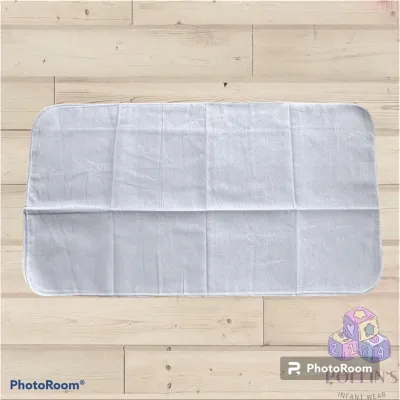




Prices are valid at publication and may change. Please refer to the product page for the latest price.
To secure the lampin beneath the cover, you will need reliable fasteners. Traditional safety pins with locking heads are a classic choice, but modern diaper fasteners made of stretchable, non-toxic materials with tiny gripping teeth offer a convenient and secure alternative. Additionally, prepare a dedicated storage container, such as a diaper pail with a loose-fitting lid or a breathable wet bag, to hold soiled diapers before laundry day.
Proper preparation of new cotton lampins is essential to unlock their full absorbency. Raw cotton fibers naturally contain natural oils and waxes that repel moisture when first manufactured. To strip these oils, check the manufacturer’s care labels and pre-wash the lampins several times using a gentle, residue-free detergent. This process, often called “prepping,” causes the cotton fibers to quilt up, shrink slightly to their true size, and reach their maximum liquid capacity.
Before placing any diaper on your newborn, perform a quick safety inspection of all components. Check that the waterproof covers do not have peeling laminate, cracked snaps, or loose stitching that could scratch your baby’s skin. Ensure that your fasteners are fully functional and free of sharp edges or damaged parts. Taking these preparatory steps protects your newborn’s safety and ensures the diapering system performs exactly as intended.
Folding and Fastening Techniques for Newborns
Folding a cotton lampin for baby requires techniques that accommodate a newborn’s unique anatomy. During the first few weeks of life, a newborn’s umbilical cord stump must remain clean, dry, and exposed to the air to prevent irritation and promote healing. Standard folding methods must be adapted to sit well below the navel, ensuring the fabric does not rub against or cover the sensitive stump.

The classic trifold or pad fold is one of the simplest methods for beginners. To achieve this, fold the square lampin into thirds to create a thick, rectangular pad, then fold one end down to shorten the overall length. Place this shortened pad inside a waterproof cover, ensuring the folded-down portion is positioned at the front for baby boys or in the middle for baby girls to maximize absorbency where it is needed most. This method naturally sits low on the waist, keeping the umbilical cord completely clear.
For a more secure fit that wraps around the baby’s hips, the origami fold or the kite fold is highly effective. These folds create a winged shape that wraps snugly around the newborn’s torso and legs, providing excellent containment for runny newborn messes. When wrapping the lampin, pull the fabric gently but firmly over the hips, securing it with your chosen fastener. The diaper should feel snug around the waist, but it must never restrict your baby’s breathing, digestion, or natural hip movement.
To verify a safe and comfortable fit, always perform the two-finger rule. Slide two fingers easily between the diaper’s waistband and your baby’s tummy; if the space feels too tight, loosen the fastener immediately. Next, run your finger along the leg openings to check for gaps. The elastic of the waterproof cover should rest gently in the groin creases, much like underwear, without leaving deep red marks or allowing gaps where liquid could escape.
Establishing a Safe and Effective Washing Routine
A sustainable washing routine is the key to long-term success with cotton cloth diapers. In warm, humid environments, managing soiled diapers correctly is crucial to prevent the growth of mold, mildew, and strong ammonia odors. Avoid storing wet or dirty lampins in airtight plastic containers, which trap moisture and create a breeding ground for bacteria. Instead, use a dry pail method with a breathable mesh liner or a zippered wet bag that allows moderate airflow, keeping odors contained while letting moisture evaporate.
When laundry day arrives, follow a systematic washing process to ensure deep cleaning without damaging the cotton fibers. Begin with a cold pre-rinse or a short wash cycle without detergent to flush out organic waste and prevent stains from setting. Once the initial rinse is complete, run a heavy-duty main wash cycle. Always refer to the manufacturer’s guidelines for the recommended water temperature and cycle length to preserve the structural integrity of both the cotton lampins and the waterproof covers.
Selecting the right detergent is vital for protecting your baby’s sensitive skin and maintaining diaper performance. Choose a baby-safe, enzyme-free, or fragrance-free detergent that rinses clean without leaving residues. Strictly avoid fabric softeners, dryer sheets, and liquid chlorine bleach unless specifically recommended by the manufacturer. Fabric softeners leave a waxy coating on cotton fibers that severely reduces absorbency, causing liquids to run off the fabric rather than soak in.
Drying your cotton lampins properly extends their lifespan and maintains their softness. In tropical regions, line drying your lampins outdoors in direct sunlight is an excellent, energy-efficient option. The sun acts as a natural bleaching agent, helping to fade stubborn stains while sanitizing the fabric. If you prefer to use a machine dryer, check the care labels first; while pure cotton lampins can typically handle medium to high heat, waterproof covers should always be air-dried or tumbled on a low-heat setting to prevent the waterproof laminate from melting or cracking.
Troubleshooting Leaks and Skin Irritation
Even with a careful routine, you may occasionally encounter leaks or minor skin irritation. Identifying the root cause of a leak requires a systematic check of the diaper’s fit and fabric condition. Compression leaks occur when a saturated lampin is squeezed by tight clothing or a restrictive cover, forcing liquid out of the leg openings. If the lampin is soaked through when a leak occurs, you simply need to change the diaper more frequently or increase absorbency.
If the lampin is dry or only slightly damp but liquid has escaped, the issue is likely a poor fit or fabric repelling. Check the waterproof cover to ensure that no part of the cotton lampin is poking out of the leg elastic or the waistband. If any cotton fabric touches the outside of the cover, it will draw moisture onto your baby’s clothes through capillary action. Additionally, pour a small amount of water onto a clean, dry lampin; if the water beads up and rolls off instead of soaking in immediately, detergent buildup or fabric softener residue is present, requiring a thorough deep-cleaning wash to strip the fibers.
Newborn skin is incredibly delicate, making it sensitive to prolonged wetness and friction. To maintain skin health, change your baby’s diaper promptly after every wet or soiled event, as standing moisture is the primary trigger for diaper dermatitis. Ensure the diaper area is completely dry before putting on a fresh lampin. If you observe persistent redness, bumps, or signs of discomfort, stop using your current cloth routine temporarily, switch to a simplified setup, and consult a pediatrician or qualified healthcare professional for guidance.
Recognizing When to Adjust Your Routine
As your newborn grows, their physical dimensions and urinary output will change rapidly. A diapering setup that worked perfectly during the first two weeks may begin to leak or feel restrictive by week six. Pay close attention to physical cues, such as deep red marks on your baby’s thighs or waist, which indicate that the current fold or cover size is becoming too tight.
When your baby’s liquid output increases, you can easily adapt your cotton lampins without buying an entirely new stash. Transition to folding styles that concentrate more fabric layers in the wet zone, or insert an approved booster—such as a small bamboo or hemp insert—inside the folded lampin to increase absorbency. Always check the weight and size limits printed on your waterproof cover labels to determine when it is time to adjust the rise snaps or transition to a larger size category.
Frequently Asked Questions (FAQ)
How many cotton lampins do I need for a newborn?
Newborns typically require frequent changes, often averaging 10 to 12 times per day. To calculate your ideal stash size, multiply this daily average by the number of days you plan to go between laundry loads, then add a buffer of 4 to 6 diapers for emergencies. For example, if you wash diapers every two days, a starting stash of 24 to 30 cotton lampins is recommended. Be sure to check product bundle recommendations from manufacturers, as they often offer starter packages tailored to newborn needs.
Can I use diaper rash creams with cotton cloth diapers?
Many standard diaper rash creams contain zinc oxide or petroleum-based ingredients that create a waterproof barrier on skin. Unfortunately, these same ingredients can transfer to cotton lampins, coating the fibers and causing them to repel moisture. To protect your diapers, use a reusable fleece liner or a flushable, biodegradable paper liner between the baby’s skin and the lampin when applying cream. Always check both the cream’s ingredients and your diaper manufacturer’s guidelines to ensure compatibility and prevent permanent fabric damage.

Community discussion
Share your experience or ask a question. Comments are reviewed before publication.