
To ensure your baby’s feeding safety, you can spot a fake Uni Love bottle online in the Philippines by purchasing exclusively from the uni love official store, verifying the physical security features, and inspecting the material quality. Counterfeit baby products are a rising concern on local e-commerce platforms, making it vital for parents to know how to distinguish genuine items from cheap imitations. By checking the packaging print quality, scanning the manufacturer’s official QR verification codes, and evaluating the physical properties of the bottle, you can protect your little one from the severe health hazards associated with unverified plastics.
Why Authenticity is Critical for Baby Feeding Safety
When it comes to infant feeding, the quality of the materials used in baby bottles directly impacts your child’s health. Authentic Uni Love bottles are manufactured using high-grade, food-safe materials such as polyphenylsulfone (PPSU) or premium borosilicate glass, which are designed to withstand high temperatures during sterilization. Counterfeit manufacturers, however, often use cheap, industrial-grade plastics that are not certified for food contact. When these fake bottles are exposed to hot water, steam, or UV sterilizers, they can leach harmful chemicals like Bisphenol A (BPA), phthalates, or heavy metals directly into your baby’s milk or formula.
Beyond chemical contamination, counterfeit baby bottles present severe physical risks to infants. Inaccurate measurement markings on a fake bottle can lead to incorrect formula dilution, resulting in undernutrition or digestive distress for your baby. Furthermore, poorly manufactured silicone nipples on counterfeit bottles often lack precise flow-rate engineering, which can cause the nipple to collapse, tear easily, or release too much liquid at once. This poor flow control increases the risk of choking, gas, or colic, while degrading plastic or silicone parts can break off and become choking hazards. Always consult your pediatrician if your baby experiences sudden feeding difficulties, persistent colic, or signs of chemical irritation, and stop using any bottle that shows signs of material degradation.
Products mentioned in this guide
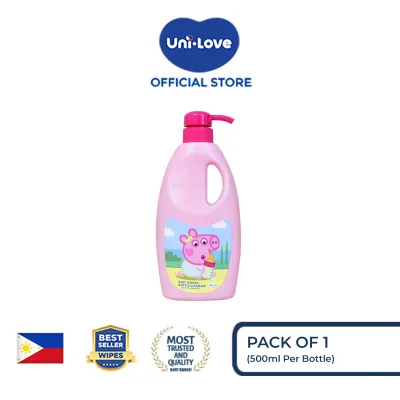
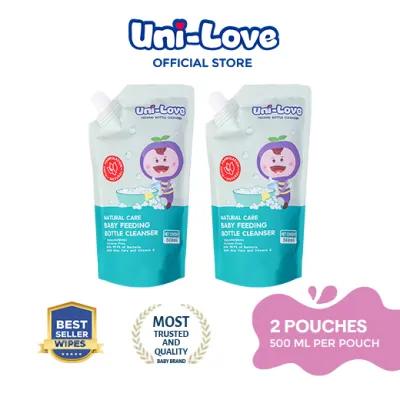
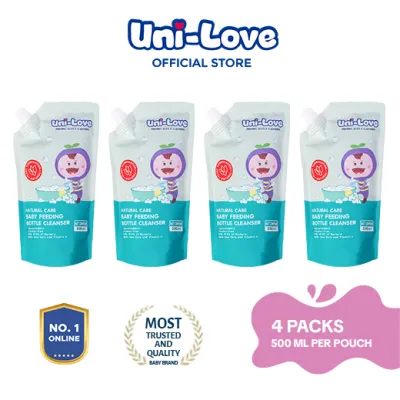
Prices are valid at publication and may change. Please refer to the product page for the latest price.
How to Tell Real vs. Fake Uni Love Bottles Apart
Distinguishing between an authentic Uni Love bottle and a counterfeit alternative requires a careful, close-up examination of both the outer packaging and the physical product itself. Counterfeiters have become increasingly sophisticated, but they rarely match the rigorous quality control and premium manufacturing standards of the genuine brand. By comparing key visual and physical elements, you can quickly identify whether a listing or a delivered product is safe for your baby.

Inspecting Packaging and Labeling Details
The outer packaging of a genuine Uni Love bottle is your first line of defense when verifying authenticity. Authentic boxes are made from sturdy, high-quality cardboard designed to protect the product during shipping and storage in humid Philippine climates. The printing on a genuine box is sharp, vibrant, and perfectly aligned, with clear typography and accurate brand colors. Look closely at the logo and text; counterfeit packaging frequently exhibits blurry fonts, faded colors, misaligned graphics, or obvious spelling mistakes that indicate a rushed, low-cost production process.
Additionally, authentic packaging features intact factory seals and comprehensive product information, including clear instructions for use, age-appropriate guidelines, and manufacturer details. Genuine Uni Love bottles often come with neatly folded instruction manuals, care cards, or protective nipple covers that fit snugly and securely. If the box arrives crushed, lacks a secure seal, contains flimsy inserts with poor English or Tagalog translations, or is missing standard accessories entirely, you should treat the product with extreme caution.
Evaluating Material Quality and Craftsmanship
Once you unbox the bottle, you must carefully evaluate the physical build, clarity, and tactile feel of the materials. Genuine Uni Love PPSU bottles feature a distinct, natural honey-colored tint that is uniform throughout the body, while their glass bottles are perfectly clear and free of bubbles or internal imperfections. Run your fingers along the bottle to check for prominent mold lines, sharp seams, or uneven plastic thickness; authentic bottles have smooth, seamless finishes. Counterfeit bottles often look cloudy, feel unusually light or flimsy, and may exhibit rough edges that can scratch your hands or your baby’s mouth.
Another critical indicator is the smell of the product. Authentic baby bottles and medical-grade silicone nipples are completely odorless right out of the box. Counterfeits, on the other hand, frequently emit a strong, pungent chemical or plastic smell due to the use of cheap colorants and low-grade raw materials. Additionally, examine the measurement markings printed or etched on the side of the bottle. On a genuine Uni Love bottle, these markings are crisp, perfectly legible, and highly durable, resisting wear even after multiple sterilization cycles. On a fake bottle, the markings may be smudged, unevenly spaced, or easily scratched off with a fingernail.
Step-by-Step Verification for Your Uni Love Bottle
If visual and physical inspections leave you uncertain, you can perform a systematic verification process using the security features built into the packaging. The brand implements specific physical and digital markers to help parents confirm that their purchase is genuine. Following these step-by-step checks will provide definitive proof of your bottle’s authenticity.
Checking Security Labels and Batch Codes
Start by examining the exterior of the packaging for official security labels, which are typically placed over the box openings or on the base. Authentic Uni Love products feature holographic stickers that shimmer and shift colors when tilted under a light source, or scratch-off authentication panels containing a unique security code. Check the batch code and manufacturing date printed on the box and compare them with the codes stamped on the bottle itself. These codes must match perfectly and be printed in a clear, logical format.
Be highly suspicious of any packaging where these security labels are missing, torn, scratched off, or show signs of tampering. Counterfeiters sometimes buy empty authentic boxes to package fake bottles, or they may print static, non-shifting “holographic” images directly onto the cardboard. If the security sticker does not reflect light dynamically, or if the scratch-off panel is already uncovered upon delivery, do not use the bottle and contact the seller immediately for clarification.
Using Official Digital Verification Channels
For a foolproof verification check, utilize the digital tools provided by the brand. If your Uni Love bottle packaging includes a security QR code, scan it using your smartphone’s camera or a secure scanning app. However, you must exercise extreme caution during this step: counterfeiters often print QR codes that redirect users to fake, look-alike websites designed to mimic the official brand portal. Carefully inspect the URL in your browser’s address bar after scanning; ensure the domain name is the official, verified website of the brand and does not contain subtle spelling variations, extra hyphens, or unusual domain extensions.
If the packaging does not feature a digital verification tool, or if you are unable to confirm the website’s legitimacy, do not rely on automated search results. Instead, take clear photos of the product, packaging, and batch codes, and send them directly to the brand’s verified social media pages or official customer service channels in the Philippines. The customer support team can manually look up the batch code in their manufacturing database to confirm whether the product is an authorized release.
How to Find the Uni Love Official Store and Safe Sellers
The most effective way to avoid the risks of counterfeit baby products is to ensure you are buying from authorized sources. Navigating online marketplaces in the Philippines requires a discerning eye, as many unauthorized resellers use deceptive marketing tactics, stolen product images, and keyword stuffing to appear legitimate. By knowing how to filter search results and identify authorized storefronts, you can shop with complete peace of mind.
Identifying the Official Store on E-commerce Platforms
When shopping on major e-commerce platforms in the Philippines, your safest option is to buy directly from the uni love official store. Look for platform-specific trust badges, such as the “Mall” label, “Official Store” tags, or verified seller checkmarks next to the store name. These badges indicate that the platform has vetted the seller’s business registration, trademark ownership, and supply chain authenticity.
Before adding a bottle to your cart, verify the store’s performance metrics to confirm its legitimacy. An authentic brand distributor will typically have a very high follower count (often in the tens or hundreds of thousands), an overall rating close to 5.0 stars, and a fast chat response rate (usually above 90%). Additionally, browse the store’s complete product catalog; the official store will feature a comprehensive, organized selection of genuine Uni Love baby care products, rather than a random assortment of unrelated household goods or unbranded items.
Evaluating Third-Party Sellers and Listings
If the official store is out of stock and you must consider a third-party seller, you must apply a strict risk-assessment framework. Compare the listing price against the standard retail price in Philippine Pesos (PHP). If a seller offers a Uni Love bottle at a price that seems too good to be true—such as 50% or 70% off the official store’s price without a major platform-wide campaign—it is highly likely to be a counterfeit. Counterfeiters rely on extreme price drops to attract bargain-hunting parents.
Next, scrutinize the listing’s images and customer reviews. Avoid sellers who only use low-resolution stock photos, especially those with watermarks from other online shops. Read the recent reviews carefully, filtering for one-star and two-star feedback. Look for specific keywords like “fake,” “amoy plastik” (smells like plastic), “leaking,” or “manipis” (thin material). If other parents have flagged the item as a counterfeit or noted that their babies rejected the nipple, do not take the risk. You can also message the seller directly to ask for their official authorization certificate or real, unedited photos of their current stock; a legitimate reseller will be transparent and cooperative, while a counterfeit seller will often give vague, evasive, or automated responses.
What to Do If You Receive a Suspected Fake Bottle
If you have already purchased a bottle and suspect it is a counterfeit upon delivery, you must take immediate protective action. First and foremost, do not use the bottle to feed your baby, and do not attempt to sterilize or wash it. Keep the product, its packaging, and all shipping labels exactly as they arrived. Feeding your baby from an unverified bottle poses immediate health risks, and attempting to wash or sterilize it could alter its physical state, making it harder to prove its counterfeit nature during a dispute.
To secure a refund and protect other consumers, document the evidence thoroughly. Take clear, well-lit photos and videos of the bottle, focusing on the blurry printing, uneven seams, incorrect logos, or missing security seals. Take a photo of the shipping label showing the seller’s details and the tracking number. Next, log into your e-commerce platform account and file a formal return or refund request. Select the appropriate reason, such as “counterfeit product” or “item not as described,” and upload your documented evidence. Avoid clicking “Order Received” or completing the transaction, as this can release the funds to the seller and complicate the platform’s dispute resolution process.
Finally, report the fraudulent listing to the e-commerce platform’s customer support to have the seller’s shop investigated or suspended. You should also send your documented photos and the seller’s store link to the official Uni Love customer service team in the Philippines. By reporting these counterfeit operations, you help the brand take legal action against unauthorized manufacturers, keeping the local online marketplace safer for all Filipino parents and their babies.
Frequently Asked Questions (FAQ)
Can I sterilize a suspected fake Uni Love bottle to make it safe?
No, you should never attempt to sterilize or use a suspected counterfeit baby bottle under any circumstances. While sterilization kills bacteria and viruses on authentic, heat-resistant materials, it has the opposite effect on low-quality, unverified plastics. Exposing a fake bottle to boiling water, steam sterilizers, or UV light can cause the non-food-grade materials to warp, degrade, or melt. More dangerously, the high heat can accelerate the leaching of toxic chemicals, such as BPA or industrial phthalates, into your baby’s milk. If you suspect a bottle is fake, discard it or keep it purely for evidence during your refund dispute.
Do authentic Uni Love bottles always come with a warranty card?
No, authentic Uni Love baby feeding bottles do not typically come with an individual paper warranty card inside the box. Unlike high-ticket baby gear such as strollers or electronic breast pumps, everyday feeding accessories rely on alternative authentication methods. To verify authenticity, you should look for official packaging security features, including holographic seals, scratch-off authentication panels, and matching batch codes on the box and bottle. If you purchase from the official store, your transaction is protected by the e-commerce platform’s buyer protection policies and return guarantees rather than a physical warranty document.

Community discussion
Share your experience or ask a question. Comments are reviewed before publication.