
Spotting a fake tub of Sudocrem Original in the Philippines requires a careful inspection of its packaging, texture, and scent, alongside buying exclusively from authorized retail channels. Because counterfeit baby products are increasingly sophisticated, parents cannot rely on a single factor like price or a quick glance at the label. Protecting your baby’s delicate skin from unauthorized formulations means knowing exactly what physical markers to verify before application.
Why Authenticity Matters for Your Baby's Skin
Diaper rash is a common concern for parents in the Philippines, where high humidity and tropical heat can easily trap moisture in a baby’s diaper area. When managing this discomfort, parents often turn to trusted barrier creams to soothe and protect sensitive skin. However, applying a counterfeit product to an already irritated area can severely worsen the condition. Counterfeit baby products bypass the strict safety, hygiene, and quality testing protocols that legitimate manufacturers undergo before reaching retail shelves.
These unauthorized imitations are often manufactured in unregulated environments where sanitary standards are non-existent. Consequently, they may contain industrial-grade ingredients, heavy metals, or harmful bacteria that should never come into contact with human skin, let alone an infant’s highly permeable skin barrier. Because a baby’s skin is significantly thinner and more sensitive than adult skin, it absorbs topical substances much faster, increasing the risk of systemic absorption of toxic chemicals.
Products mentioned in this guide
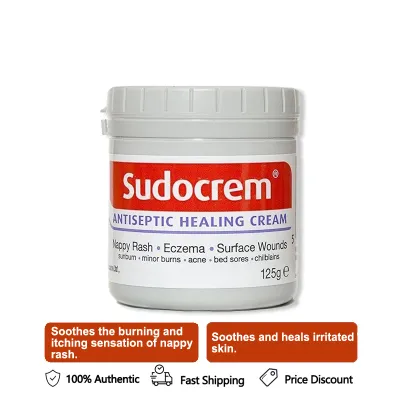
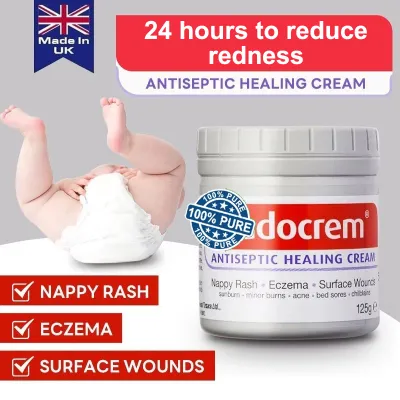
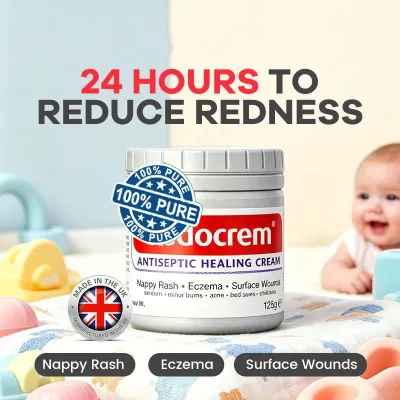
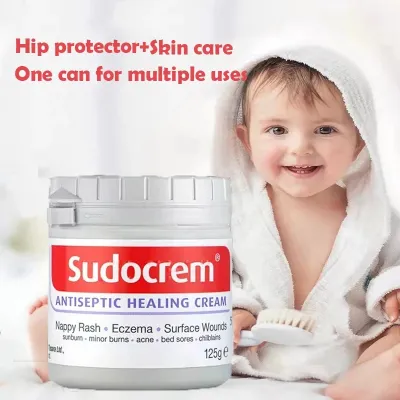
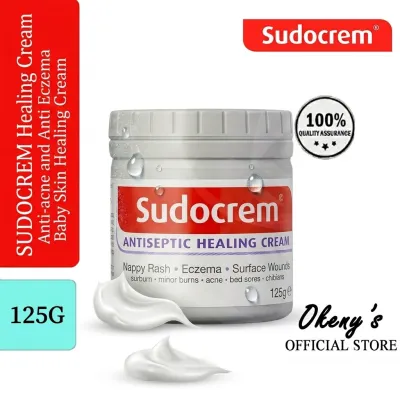
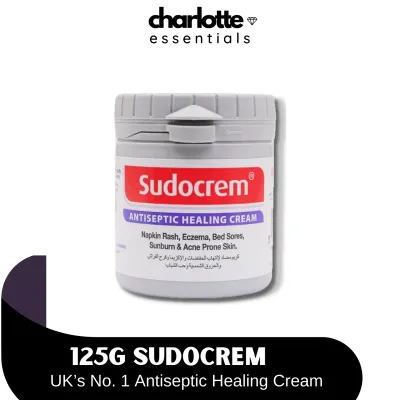
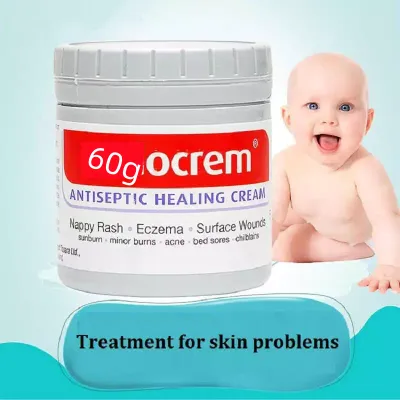
Prices are valid at publication and may change. Please refer to the product page for the latest price.
Authentic Sudocrem Original is formulated to meet specific safety standards for baby care, ensuring that every batch is stable, hypoallergenic, and safe for regular use under diaper covers. When a counterfeit product mimics this cream, it lacks the precise balance of protective barriers and soothing agents. Instead of relieving redness, the unknown or unregulated ingredients in fakes may cause severe contact dermatitis, chemical burns, or intense allergic reactions. Ensuring the authenticity of your baby care products is not just about getting what you paid for; it is a vital step in safeguarding your child’s health.
Key Visual and Physical Checks for Sudocrem Original
To protect your infant from the hazards of counterfeit creams, you must establish a reliable verification routine. Rather than relying on your memory of how a tub looked during a previous purchase, it is highly recommended to compare any new purchase directly with official brand descriptions or a verified authentic tub. Counterfeiters frequently update their packaging to mimic genuine products, making a side-by-side comparison the most effective way to spot subtle discrepancies.

Before opening a newly purchased tub, take a few moments to conduct a thorough external inspection. Look closely for any signs of tampering, poor-quality printing, or structural flaws in the plastic container. A genuine product is manufactured using high-precision machinery, resulting in clean lines, sturdy materials, and secure seals. If the tub feels unusually flimsy, looks dirty, or shows signs of being resealed, do not open it or apply the cream to your baby’s skin. Additionally, always verify the age suitability, weight guidelines, and specific method of use directly from the official product documentation rather than assuming suitability based on the product name alone.
Packaging and Labeling Details
The packaging of a genuine tub of Sudocrem Original features several distinct design elements that counterfeiters often struggle to replicate perfectly. Start your inspection by examining the tub’s plastic lid and the tamper-evident tear strip. Authentic tubs are equipped with a robust, secure lid that requires a deliberate pull to break the plastic seal. If the tear strip is broken, missing, or feels incredibly easy to peel off without resistance, the product’s integrity has been compromised.
Next, scrutinize the label printing quality. Genuine labels feature crisp, clear typography with sharp contrast, making even the smallest ingredient list legible. Counterfeit labels often suffer from blurred ink, misaligned text, or slight color variations, such as a faded grey or an overly saturated blue. Carefully read the text on the back of the tub; spelling mistakes, grammatical errors, or missing manufacturer details are immediate indicators of a fake product.
Additionally, you must verify the batch code and expiration date printed on the packaging. On authentic tubs, this information is typically embossed or printed clearly on the side or bottom of the container, matching the production records of the manufacturer. Check that this code is not easily rubbed off with a finger and matches any accompanying outer packaging if applicable. If the batch code is blurry, missing, or looks like it was printed with cheap inkjet technology, treat the product with extreme suspicion.
Texture, Scent, and Consistency
Once you open the tub, the physical properties of the cream itself provide crucial clues regarding its authenticity. Authentic Sudocrem Original is known for its specific, consistent texture and appearance. The cream should have a clean, pale greyish-white tone and a very smooth, thick consistency that requires some effort to spread. If the cream appears pure bright white, yellowed, or has an oily sheen on top, it is highly likely to be a counterfeit formulation.
The scent of the product is another highly reliable indicator of authenticity. Genuine Sudocrem has a very distinct, mild, and clean aroma, often described as having a subtle hint of lavender. This scent is carefully calibrated to be gentle on an infant’s respiratory system and skin. In contrast, counterfeit creams often emit a harsh, chemical smell, resembling industrial solvents, or they may be heavily perfumed with cheap, artificial fragrances to mask the odor of low-grade ingredients.
Furthermore, pay close attention to how the cream behaves when handled. An authentic formulation remains stable even in the warm, humid climate of the Philippines, resisting separation. If you open the tub and notice significant water-oil separation, a watery layer sitting on top, or a gritty, grainy texture when rubbed between your fingers, do not use it. These physical defects indicate either a poorly made counterfeit or a severely degraded product that is no longer safe for diaper care.
Safe Purchasing Channels in the Philippines
The most effective way to avoid the risks associated with counterfeit baby products is to be highly selective about where you shop. In the Philippines, you should prioritize purchasing diaper creams from authorized physical pharmacies, established baby care specialty retailers, and official brand flagship stores on major e-commerce platforms. These businesses have direct supply chains with authorized distributors, ensuring that the products on their shelves are genuine and stored under temperature-controlled conditions.
Conversely, you should exercise extreme caution when browsing third-party online marketplaces, unauthorized social media sellers, or unverified parallel importers. While these sellers often tempt parents with steep discounts or bulk deals, the risk of receiving a counterfeit product is exceptionally high. If a deal seems too good to be true—such as a tub priced at a fraction of the standard retail cost in major drugstores—it is almost certainly a fake.
Before completing any online purchase, take the time to verify the seller’s credentials. Look for official mall badges or verification marks on e-commerce platforms, and read through customer reviews carefully. Do not just look at the overall rating; read individual feedback, paying close attention to any reviews that mention strange smells, unusual textures, or damaged packaging. Additionally, check the seller’s return and refund policies to ensure you have recourse if the product arrives looking suspicious.
What to Do If You Suspect a Counterfeit Product
If you suspect that you have purchased a fake tub of Sudocrem Original, your immediate priority must be your baby’s safety. Stop using the product on your child’s skin immediately, even if they have not yet shown any signs of irritation. Continued exposure to unregulated chemicals can lead to cumulative skin damage or sudden allergic reactions that require medical intervention.
Once you have set the product aside, document your findings thoroughly. Take high-resolution, clear photos of the packaging from all angles, focusing on the batch code, the printing quality, the lid seal, and the texture of the cream inside the tub. Keep your physical receipt or take a screenshot of your online purchase confirmation, as this serves as vital proof of purchase when filing a report.
After documenting the evidence, report the issue to the appropriate authorities. If you purchased the item online, file a formal dispute with the e-commerce platform, submitting your photos and purchase details to request a refund and flag the seller. If bought from a physical store, contact the store management directly. You can also report the suspected counterfeit to the brand’s local customer service or the Food and Drug Administration (FDA) of the Philippines to help protect other parents from purchasing dangerous fakes.
Frequently Asked Questions (FAQ)
Can I rely solely on a low price to identify fake Sudocrem?
While an unusually low price is a major red flag, you cannot rely on pricing alone to determine authenticity. Some sophisticated counterfeiters price their fake products only slightly below the standard retail price to avoid raising suspicion among bargain-hunting parents. Therefore, you must always combine price checks with physical inspections of the packaging, texture, and scent, and prioritize buying from authorized retail channels.
What should I do if my baby develops a rash after using the cream?
If your baby develops a rash, redness, or any sign of skin irritation after applying the cream, discontinue use immediately. Gently clean the affected area with lukewarm water and a soft, clean cloth to remove any remaining product residue, avoiding harsh soaps that could further irritate the skin. Consult a pediatrician or a qualified healthcare professional promptly for an accurate diagnosis and safe treatment plan. Keep the suspected tub and its packaging intact, as your doctor may need to review the listed ingredients, and you will need it to report the counterfeit product.

Community discussion
Share your experience or ask a question. Comments are reviewed before publication.