
Buying baby care products online offers convenience, but it also introduces the risk of purchasing counterfeit goods. For parents in the Philippines looking to protect their infants from diaper discomfort, verifying the authenticity of diaper barrier creams like Sudocrem is a critical safety step. Spotting a fake product requires a combination of close physical inspection, seller evaluation, and an understanding of how authentic formulations behave. By examining the packaging details, testing the consistency of the cream, and purchasing only from verified online storefronts, you can safeguard your baby’s sensitive skin from potentially harmful imitations.
Why Counterfeit Diaper Rash Creams Pose a Risk to Babies
Baby skin is exceptionally thin, delicate, and highly permeable compared to adult skin. In the tropical, humid climate of the Philippines, infants are particularly susceptible to diaper dermatitis and heat rashes. A reliable barrier cream functions by sealing out moisture and protecting irritated skin from acidic waste. When a counterfeit product is introduced into this sensitive environment, the protective barrier is compromised.
Unregulated and counterfeit skincare products do not undergo standard quality control or safety testing. These imitations often contain unauthorized ingredients, industrial-grade fillers, or incorrect concentrations of active components. Some counterfeit formulations have been found to contain heavy metals, harsh preservatives, or common allergens that can trigger severe contact dermatitis. Instead of soothing an existing diaper rash, a counterfeit cream can exacerbate inflammation, lead to painful chemical burns, or cause systemic allergic reactions.
Products mentioned in this guide
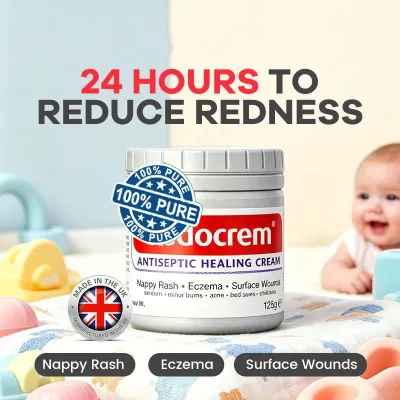
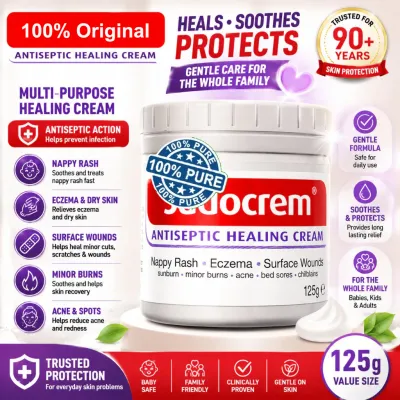
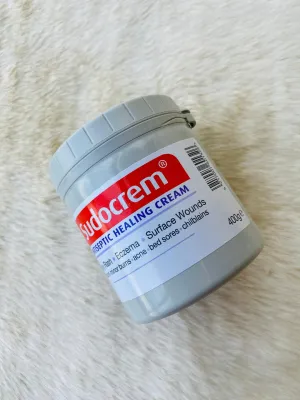
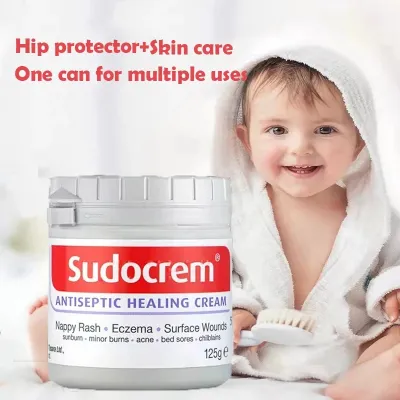
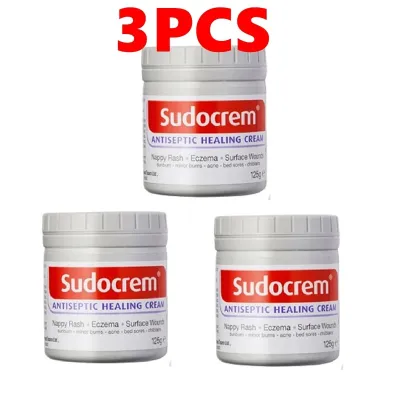
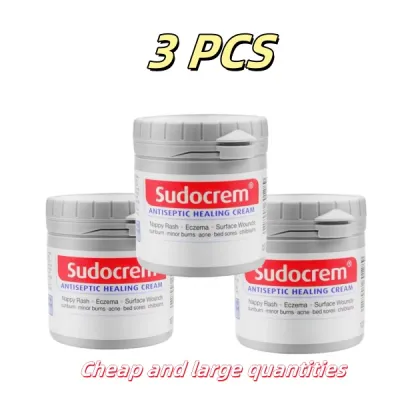
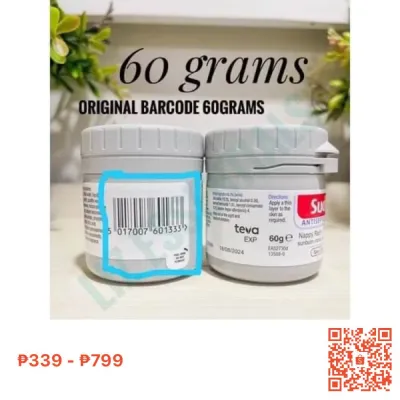
Prices are valid at publication and may change. Please refer to the product page for the latest price.
Because manufacturers of genuine baby products adhere to strict regulatory guidelines, their formulations are designed to be hypoallergenic and stable under normal conditions. Counterfeiters have no such obligations. Using an unverified product on broken or irritated skin increases the risk of secondary bacterial or fungal infections. For these reasons, parents must prioritize verification and immediately stop using any product that exhibits unusual characteristics.
Key Visual and Physical Checks for Authentic Sudocrem
Packaging and Labeling
The first line of defense is a meticulous inspection of the tub’s exterior. Authentic manufacturers utilize high-precision printing equipment, resulting in crisp, clear text and perfectly aligned logos. Examine the label for any signs of blurry typography, spelling mistakes, or uneven margins. The colors on the label should be consistent with official product images; faded or unusually dark labels often indicate a cheap photocopying process. Additionally, check the plastic tub itself for smooth edges and a secure, tamper-evident seal that requires effort to break upon first opening.

Texture, Consistency, and Scent
The physical properties of the cream provide reliable clues about its authenticity. Genuine Sudocrem is a thick, white, and highly cohesive paste that does not easily run or separate. When applied, it forms a visible, water-resistant protective layer on the skin. If the cream you purchased online is watery, oily, or has separated into liquid and solid layers, it may be a counterfeit or a badly expired product. The scent is also highly characteristic, featuring a mild, clean lavender fragrance. A harsh chemical odor, a strong perfume smell, or a completely odorless paste should serve as an immediate warning sign.
Batch Codes and Expiry Dates
Legitimate manufacturers track their production runs using unique batch codes and expiry dates. On an authentic tub, these details are typically embossed directly into the plastic or printed using high-quality, indelible ink that does not rub off easily. Carefully inspect the bottom or side of the container for these markings. If the batch code and expiry date are printed on a simple paper sticker, or if the print is easily smudged with a wet finger, the product is highly likely to be an imitation.
Limitations of Visual Checks
While these physical checks are highly useful, parents must understand that counterfeiters continuously refine their manufacturing methods. High-quality fake packaging can occasionally mimic the original design closely enough to deceive the untrained eye. Therefore, visual inspection should never be the sole method of verification. It must always be combined with a careful evaluation of where and from whom the product was purchased.
Evaluating Online Sellers and Official Storefronts
Navigating online marketplaces requires a cautious approach to avoid unauthorized third-party listings. When shopping on major e-commerce platforms in the Philippines, prioritize official brand stores or verified mall sellers. These sellers undergo strict business registration checks by the platform, significantly reducing the likelihood of counterfeit inventory. Look for specific platform badges that designate official distributors or preferred status, as these merchants are held to higher standards of accountability.
Customer feedback is a valuable resource when assessing a seller’s credibility. Do not rely solely on the overall star rating; instead, read individual reviews, focusing on those that include real photos and videos of the received product. Look for specific comments regarding the cream’s texture, scent, and packaging quality. Be skeptical of listings that feature highly repetitive, generic five-star reviews with identical phrasing, as these can be artificially generated to mask poor product quality.
Pricing is another critical indicator of authenticity. While online promotions and discounts are common, an exceptionally low price that seems too good to be true is a major red flag. Compare the online listing price with the standard retail price found in established physical pharmacies and supermarkets. If a seller is offering the product at a steep discount that cannot be explained by standard platform vouchers, the risk of purchasing a counterfeit is extremely high. Avoid listings that use only stock photos and lack actual product images taken by the seller.
What to Do If You Suspect a Counterfeit Purchase
If you suspect that the diaper cream you purchased online is not authentic, the most important step is to stop using it immediately. Do not attempt to “test” the product on your baby’s skin to see if a reaction occurs. If your baby has already been exposed to the suspected cream, gently wash the area with lukewarm water and a mild, baby-safe cleanser. Monitor the skin closely for any signs of redness, swelling, itching, or worsening rash, and consult a pediatrician immediately if any adverse symptoms develop.
Document your findings thoroughly to support your claim for a refund. Take clear, high-resolution photographs of the packaging, focusing on the blurry print, misaligned labels, or suspicious batch codes. Capture images or videos of the cream’s texture if it appears watery or separated. Keep the original shipping box and packaging materials, as these may contain seller details or tracking labels required by the e-commerce platform’s dispute resolution process.
Contact the customer support team of the online marketplace where you made the purchase to initiate a formal return and refund request. Provide your documented evidence and clearly state that you suspect the item is counterfeit. Additionally, report the specific seller listing to the platform to help prevent other parents from purchasing the same product. You can also file a formal complaint with local consumer protection agencies, such as the Department of Trade and Industry (DTI) or the Food and Drug Administration (FDA) in the Philippines, to report unauthorized distributors of health and cosmetic products.
Frequently Asked Questions (FAQ)
Can I verify Sudocrem authenticity using a barcode scanner app?
No, relying solely on a barcode scanner app is not a reliable method for verifying authenticity. Barcodes are simple graphic representations of numbers that can be easily copied, printed, and pasted onto counterfeit packaging by unauthorized manufacturers. While a successful scan might show that the barcode corresponds to a genuine product in a database, it does not prove that the physical contents of the tub are authentic. You should instead rely on physical product checks and purchase from verified sellers.
Is it safe to use the cream if the texture looks slightly different but the packaging seems real?
No, it is not safe to use the cream if the texture, consistency, or scent deviates from the manufacturer’s standard description, even if the packaging appears authentic. Counterfeiters often excel at replicating plastic tubs and labels while using cheap, unverified ingredients inside. Any separation of liquid, grittiness, or unusual odor indicates that the product is either counterfeit or has degraded due to improper storage. To protect your baby’s skin, discard the product and consult a pediatrician if your baby experiences any skin irritation.

Community discussion
Share your experience or ask a question. Comments are reviewed before publication.