
Spotting a counterfeit diaper cream requires a careful, multi-step inspection of the packaging, label print quality, tub seal, and the physical properties of the cream itself. Because babies have incredibly thin, sensitive skin, applying an unverified or counterfeit product can lead to severe irritation, chemical burns, or contact dermatitis. Caregivers must look closely at the alignment of text, the presence of batch codes, and the consistency of the cream before application.
In the digital age, online marketplaces make it easier for unauthorized sellers to distribute lookalike products. This makes vigilance during the purchasing process more critical than ever. Purchasing only from authorized pharmacies and official online flagship stores in the Philippines remains the most reliable way to ensure product authenticity and protect your child’s health.
Why Authentic Diaper Cream Matters for Baby's Skin
A baby’s skin barrier is significantly thinner and more permeable than an adult’s, making it highly susceptible to absorbing topical substances. Genuine diaper creams are formulated under strict quality control standards to provide a safe, protective moisture barrier against wetness and friction. Caregivers should always verify the age suitability, application instructions, and specific manufacturer warnings on the product documentation before use, rather than relying solely on the product name.
Products mentioned in this guide
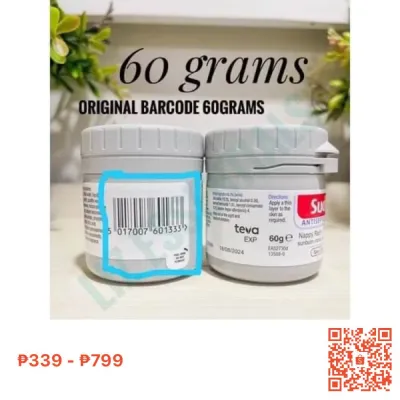
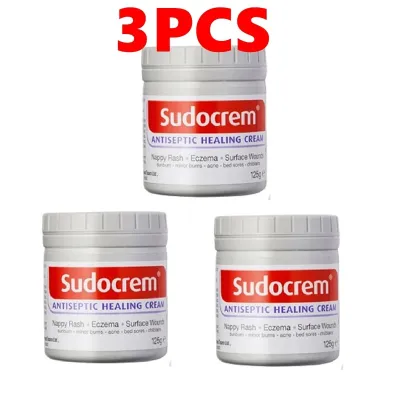
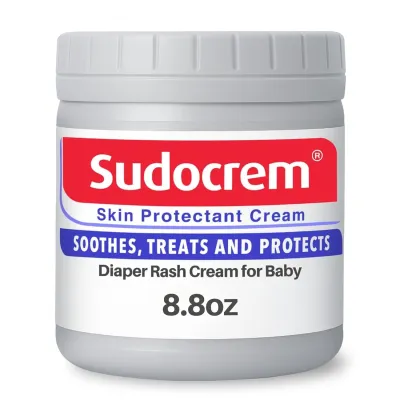
Prices are valid at publication and may change. Please refer to the product page for the latest price.
Counterfeit formulations, by contrast, bypass all regulatory oversight and dermatological testing. These unauthorized products may contain industrial-grade ingredients, heavy metals, banned preservatives, or bacterial contaminants that can cause severe allergic reactions or systemic toxicity. Because there is no way to verify the safety of a counterfeit product’s ingredients, caregivers must prioritize caution and avoid using any product that raises suspicion.
If you notice any sudden redness, swelling, warmth, or unusual rash development after applying a diaper cream, stop using the product immediately. Wash the area gently with clean water and consult a pediatrician or qualified healthcare professional for proper medical guidance. Never attempt to self-diagnose or treat a severe skin reaction with other unverified topical creams.
Visual and Packaging Markers to Check
Evaluating the physical container is your first line of defense against counterfeit diaper creams. Start by closely examining the label’s print quality, as counterfeiters often use low-resolution printing equipment. Look for blurry text, misaligned logos, faded colors, or obvious spelling and grammatical errors on the back of the tub. Authentic labels feature crisp, clear typography that remains legible even in very small font sizes.

Next, inspect the physical construction of the plastic tub and its lid. Genuine packaging is manufactured with high-quality, durable plastic that features clean edges and a secure, flush-fitting lid. If the lid feels loose, has rough plastic flashing from poor molding, or if the tamper-evident seal is broken, missing, or poorly aligned, the product’s integrity is highly compromised. The plastic itself should have a uniform color and texture without any strange chemical odors emanating from the container.
The batch number, manufacturing date, and expiry date are critical traceability markers that you must verify. On authentic tubs, these details are typically stamped, embossed, or printed clearly in a specific, consistent format on the side or bottom of the container. Counterfeit products often omit these codes entirely, print them in a messy, easily smudged ink, or display dates that do not align with standard manufacturing timelines.
Because manufacturers periodically update their packaging designs, color schemes, and label layouts to improve brand security, you should always cross-reference your tub with the latest official images on the manufacturer’s website. Keep in mind that minor design variations may exist across different regions or production years. Verifying the batch code directly with the brand’s customer service is the most reliable way to confirm whether a design update is legitimate or a sign of a counterfeit.
Texture, Scent, and Consistency Observations
Before applying any diaper cream to your baby’s skin, scoop a small amount out to evaluate its physical properties. A genuine formulation is known for its thick, smooth, and highly consistent texture that spreads evenly to form a protective barrier. If the cream appears watery, grainy, or shows clear signs of oil and water separation, it is likely a counterfeit or a badly compromised product that has degraded due to poor storage.
Scent is another strong indicator of authenticity. Genuine diaper creams typically have a very mild, clean, and recognizable scent that is not overpowering. Counterfeit versions often emit harsh, chemical, or overly sweet synthetic perfume odors used to mask cheap, low-grade raw materials. If the smell makes you hesitate, it is best to trust your instincts and keep the cream away from your baby’s skin.
Color consistency inside the tub should be uniform throughout. Any unusual discoloration, yellowish tinting, or dark specks within the cream indicate poor manufacturing conditions or contamination, meaning the product should be discarded immediately. Genuine creams maintain a clean, off-white appearance that does not change color over time when stored under proper conditions.
Even if the cream looks and smells relatively normal, it is wise to perform a small patch test on your own skin or a tiny, unaffected area of your baby’s arm before full application. If you observe any immediate discomfort, itching, or texture abnormalities during this test, discontinue use right away and wash the skin thoroughly. Always supervise your baby closely after trying any new skin product to monitor for delayed adverse reactions.
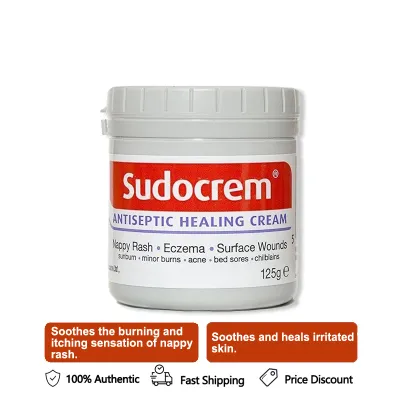
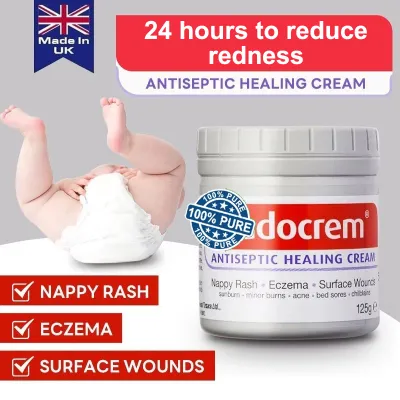
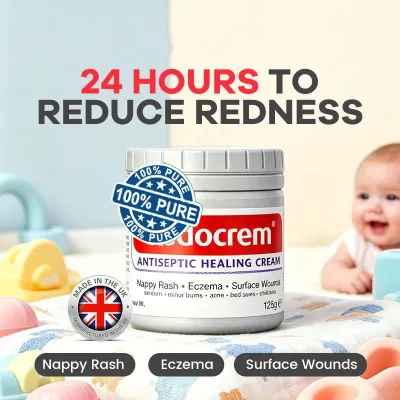
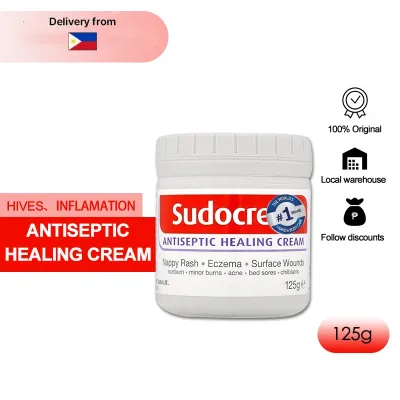
Where to Buy Genuine Sudo Cream in the Philippines
In the Philippines, the tropical climate and high humidity make reliable diaper care essential for preventing heat rash and diaper dermatitis. To guarantee you are purchasing an authentic product, always prioritize established, authorized physical retailers. Major national pharmacy chains, reputable supermarkets, and well-known baby specialty stores are the safest brick-and-mortar options because they source directly from official distributors.
When shopping online, navigate directly to official brand flagship stores or certified mall sellers on major e-commerce platforms. These sellers are vetted by the platforms and typically source their inventory directly from authorized distributors, minimizing the risk of counterfeit infiltration. Avoid buying from unverified personal accounts or shops that do not carry official platform guarantees.
If you must purchase from a third-party online seller, perform a rigorous background check on their store profile. Look for high overall ratings, read detailed customer reviews with photos of the received packaging, and ask the seller directly about their product sourcing and importation documents. Be cautious of stores that have a high volume of generic, repetitive reviews, as these can sometimes be fabricated.
Be highly suspicious of pricing that seems too good to be true. While discounts are common, a price in ₱ that is significantly lower than the standard retail price at major local pharmacies is a major red flag. Counterfeiters frequently use extreme price cuts to quickly liquidate unauthorized stock to unsuspecting buyers who are looking for a bargain.
What to Do If You Suspect a Counterfeit Product
If you suspect that the diaper cream you purchased is a counterfeit, your immediate priority is to protect your baby. Stop using the product immediately and store it safely out of reach of children, or dispose of it securely so it cannot be accidentally used by another caregiver. Do not give the product to anyone else, even if they claim their child has less sensitive skin.
Document the suspicious product thoroughly to support your claim and help protect other consumers. Take clear, high-resolution photographs of the front and back labels, the batch code, the lid seal, and the texture of the cream itself, and keep all physical or digital purchase receipts. This documentation will serve as essential evidence when contacting retailers or authorities.
If the purchase was made online, initiate a formal return or refund dispute through the e-commerce platform’s official resolution center, uploading your photographic evidence and detailing the packaging discrepancies. Most platforms have strict policies against counterfeit sales and will protect buyers who report verified issues. Prompt reporting also helps the platform flag and remove dishonest sellers.
Finally, consider reporting the suspected counterfeit to the brand’s official customer support channels or local consumer protection authorities, such as the Food and Drug Administration (FDA) of the Philippines. Providing them with the seller’s details and the product’s batch number helps authorities track down unauthorized distributors and remove hazardous products from the market. If your baby experienced an adverse reaction, share this medical information with your pediatrician and include it in your official report.
Frequently Asked Questions (FAQ)
Can I use a suspected fake Sudo Cream if the texture looks normal?
No, you should never use a suspected counterfeit diaper cream, even if its texture, color, and scent appear completely normal. Counterfeiters have become highly skilled at mimicking the physical appearance of genuine creams, but they do not adhere to sterile manufacturing practices or use safe, dermatologically tested ingredients. The product could still contain hidden chemical irritants, heavy metals, or harmful bacteria that can easily penetrate your baby’s delicate skin barrier, making it essential to discard the tub immediately.
Does genuine Sudo Cream have a specific QR code or verification app?
Authenticity verification methods, such as unique QR codes, holographic stickers, or dedicated verification apps, vary depending on the region of manufacture and the specific batch. Because these security features are updated frequently by the brand to stay ahead of counterfeiters, you should check the manufacturer’s official website for the most current verification guidelines. Do not rely on third-party scanning apps, as counterfeiters can easily generate fake QR codes that link to fraudulent websites designed to mimic official verification pages.

Community discussion
Share your experience or ask a question. Comments are reviewed before publication.