
When preparing milk for your baby in the Philippines, safety and hygiene are paramount. Ensuring your baby’s feeding equipment is authentic is a critical first step. To guarantee you are getting genuine products, many parents search for an avent official store philips online. However, with the rise of unauthorized sellers on various e-commerce platforms, counterfeit bottles have become increasingly common. Spotting these fakes requires a keen eye for physical details, print quality, and packaging security features.
Before introducing any new bottle or nipple to your child, always verify the recommended age group, development stage, and flow rate from the manufacturer’s official documentation. Never assume suitability based on the product name alone. If you suspect a bottle is counterfeit, stop using it immediately to protect your baby’s health.
Why Counterfeit Baby Bottles Pose a Safety Risk
Using counterfeit baby bottles introduces serious, unverified health hazards to your daily feeding routine. Genuine manufacturers adhere to strict material safety standards, but counterfeiters often use cheap, industrial-grade plastics. These unauthorized materials may contain Bisphenol A (BPA) or other harmful plasticizers. When exposed to the high temperatures of sterilization or warm water, these unverified plastics can leach toxic chemicals directly into your baby’s milk.
Products mentioned in this guide
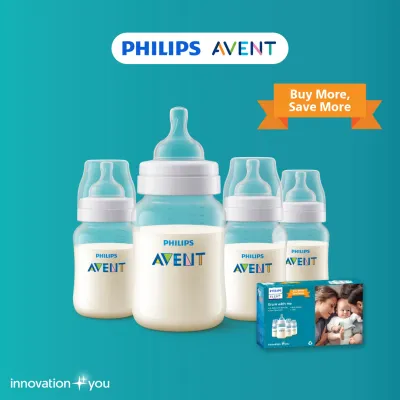
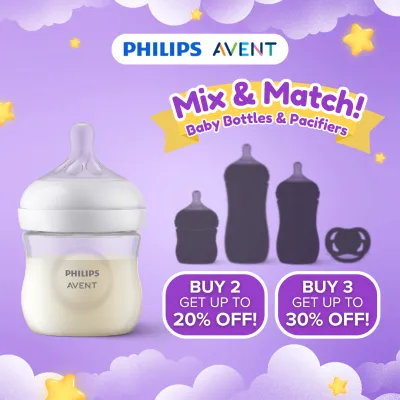
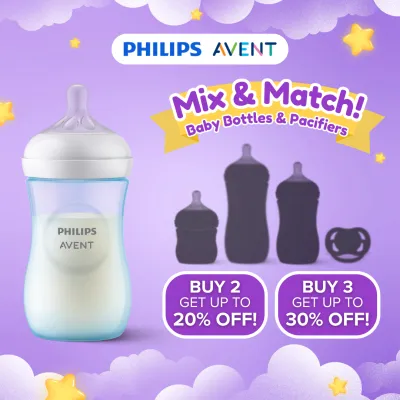
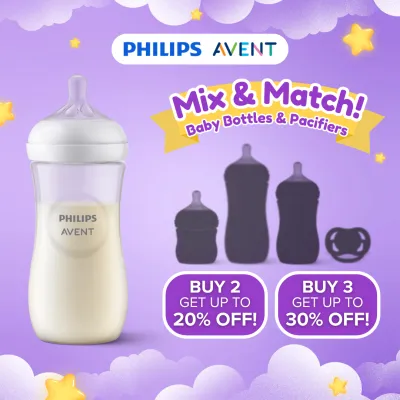
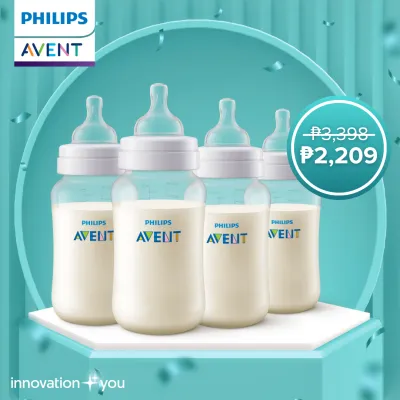
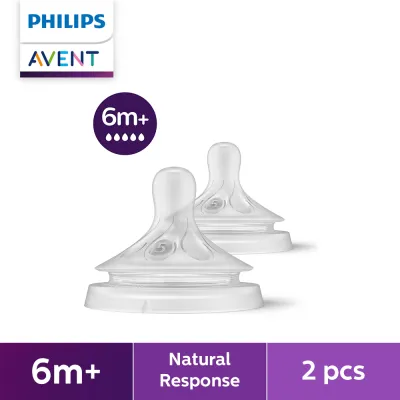
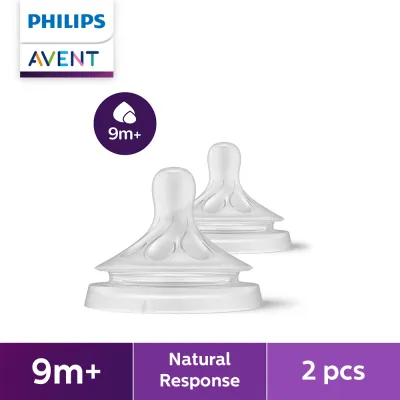
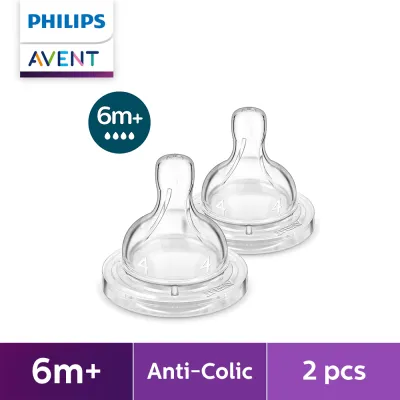
Prices are valid at publication and may change. Please refer to the product page for the latest price.
Another major concern is the accuracy of the measurement markings on the side of the bottle. If the milliliter (ml) or ounce (oz) lines are misaligned or printed incorrectly, you may consistently miscalculate your baby’s formula ratio. Over-concentrated formula can strain a baby’s developing kidneys and cause dehydration, while over-diluted formula can lead to nutritional deficiencies.
Furthermore, poorly manufactured silicone nipples present immediate physical dangers. Counterfeit nipples often lack structural integrity, leading to fast wear, tearing, or the detachment of small silicone pieces that pose a severe choking hazard. The ventilation valves may also fail, causing the baby to swallow excessive air, which leads to painful colic and gas. To protect your child’s health, you must verify the authenticity of any feeding bottle before its first use, and stop using any item immediately if you suspect it is not genuine.
Key Differences: Authentic vs. Fake Philips Avent Bottles
Identifying a counterfeit bottle involves assessing several physical, visual, and tactile characteristics. While counterfeiters have become more sophisticated, they rarely match the precision engineering of genuine products. Examining the outer box and the physical components of the bottle under bright, clear lighting will help you identify key discrepancies.

It is important to remember that packaging designs and manufacturing details can change over time due to regional updates. A single minor variation does not automatically mean a product is counterfeit. However, if you observe multiple red flags across the packaging, bottle material, and nipple construction, you should exercise immediate caution and verify the item through official channels.
Packaging, Labels, and Batch Codes
The outer box is your first line of defense when inspecting a new purchase. Authentic Philips Avent packaging features high-resolution print quality, vibrant colors, and crisp, legible text. Counterfeit boxes often exhibit blurry logos, pixelated images, or thin, flimsy cardboard that easily collapses during shipping in the humid Philippine climate.
Pay close attention to the barcode, regulatory symbols, and product labels. Genuine packaging will display clear, sharp barcodes and properly aligned regulatory marks. You should also look for a printed batch code or manufacturing date, which is typically stamped or printed directly onto the bottom or side of the box. Counterfeiters often omit these codes entirely, print them with smudged ink, or use formats that do not match the manufacturer’s standard tracking patterns.
Always check for spelling mistakes, grammatical errors, or unusual font choices on the packaging. Genuine brands maintain strict quality control over their printed materials, so any typos in the product description or safety warnings are strong indicators of a fake. If the box looks weathered, lacks protective seals, or has mismatched product information, do not proceed with using the bottle.
Bottle Material, Nipples, and Measurement Markings
The physical feel of the bottle components provides crucial clues about its authenticity. Genuine Philips Avent bottles are made from high-quality materials like Polypropylene (PP), Polyphenylsulfone (PPSU), or borosilicate glass, each having a distinct weight, clarity, and smooth finish. Counterfeit plastic bottles often feel unusually light, have rough or sharp seams along the sides, or exhibit a cloudy, yellowed appearance even when brand new.
The silicone nipple requires careful inspection before feeding. A genuine nipple is made of soft, medical-grade silicone that is completely odorless and highly flexible. Inspect the nipple for precise valve cuts and consistent material thickness. Counterfeit nipples often emit a strong, chemical or rubbery odor, feel stiff or excessively sticky, and may have irregular holes or poorly cut anti-colic valves that disrupt milk flow.
The measurement markings on the bottle body must be perfectly clear and durable. On authentic bottles, these numbers and lines are printed with high-precision, scratch-resistant ink that does not easily peel or fade during routine washing. Counterfeit bottles frequently feature misaligned, faded, or easily scratched markings. If you can scratch the printed numbers off with a fingernail or if the scale starts at an incorrect offset, the bottle is highly likely a counterfeit and should not be used.
How to Verify Authenticity Before and After Purchase
Confirming the authenticity of your baby bottles requires active verification using official manufacturer methods. Many modern Philips Avent packages feature official security labels, such as unique QR codes or holographic stickers. Scanning these codes with your smartphone should direct you to an official brand verification portal, rather than a generic or third-party website.
You can also cross-reference the product’s SKU, model number, and batch code format directly with the official manufacturer documentation. If you are unsure about a code printed on your bottle, contact the local customer service team in the Philippines to verify if the batch code exists in their production database. Avoid using third-party “authenticity check” mobile apps or relying on advice from unofficial parenting forums, as these sources lack access to genuine manufacturing databases and can provide misleading results.
Once your package arrives, compare the physical item directly against the high-resolution product images and specifications on the official brand website. Check the exact placement of the logo, the shape of the bottle’s ergonomic grip, and the specific design of the anti-colic system. If the physical bottle has a different shape, color tint, or component configuration than what is officially documented for that specific model, keep the item packaged and contact the seller or manufacturer for clarification.
Finding the Avent Official Store Philips and Authorized Retailers
To minimize the risk of purchasing counterfeit goods, you should always source your baby products from secure, authorized retail channels. The safest option is to purchase directly from the avent official store philips or from verified official flagship stores on major online marketplaces. These official digital storefronts are directly managed by the brand or its authorized local distributors, ensuring that every item shipped is authentic and safe for your baby.
When shopping on e-commerce platforms, look specifically for verified badges such as “Official Store,” “Mall,” or “Authorized Seller” next to the merchant’s name. These badges indicate that the platform has verified the seller’s business registration and authorization documents. Be highly suspicious of listings from unverified third-party sellers, especially those offering prices that are significantly lower than the standard retail price in the Philippines, which typically ranges from ₱500 to over ₱1,200 depending on the bottle size, material, and pack quantity.
Avoid listings that rely solely on low-resolution stock photos instead of actual product images, or those with very few customer reviews. Read through existing customer feedback, paying close attention to reviews that mention packaging quality, delivery condition, or material texture. If a seller has multiple negative reviews questioning the authenticity of their products, or if they cannot provide proof of official distribution rights upon request, look for an alternative, verified merchant.
What to Do If You Receive a Suspected Counterfeit
If you suspect that the bottle you received is a counterfeit, your first priority must be safety: stop using the bottle and nipple immediately. Do not feed your baby with it, and do not attempt to sterilize or wash it for use. Keep all original packaging, shipping labels, and invoices intact, as you will need these materials to support your claim.
Next, document the discrepancies thoroughly by taking clear, well-lit photos and videos of the product. Capture close-up shots of the poor print quality, misaligned measurement markings, lack of batch codes, or any physical defects in the silicone nipple. Compare these side-by-side with official product images if possible, to clearly demonstrate the differences to the platform’s customer support team.
Submit a formal return and refund request through the e-commerce platform’s buyer protection program immediately, citing “counterfeit item” or “product not as described” as the reason. Most reputable online marketplaces have strict dispute resolution policies that temporarily hold your payment (such as ₱500 or more) until the case is investigated. Finally, report the seller’s store to the platform’s administration and consider filing a report with local consumer protection agencies, such as the Department of Trade and Industry (DTI) in the Philippines, to help protect other families from purchasing unsafe baby products.
Frequently Asked Questions (FAQ)
Do all genuine Philips Avent bottles have a QR code for verification?
No, not all genuine Philips Avent bottles come with a QR code. While the manufacturer frequently updates packaging to include modern security labels and QR codes, older stock, specific product ranges, or items distributed in different regions may not have them. You should verify packaging features through the brand’s official customer support rather than relying solely on the presence of a QR code.
Can I sterilize a suspected fake Philips Avent bottle just to be safe?
No, you should never use or sterilize a suspected counterfeit bottle. While steam sterilizers or boiling water can kill bacteria, high temperatures will not neutralize the chemical risks of unverified plastics. Substandard materials may leach harmful substances like BPA or heavy metals when heated, and the plastic or silicone may degrade, warp, or release toxic fumes.
Are Philips Avent bottles made in different countries considered fake?
No, genuine Philips Avent products are manufactured in several countries, including the United Kingdom, China, and Indonesia, depending on the specific product line and global supply chain requirements. The country of origin printed on the packaging does not automatically indicate a fake, provided you purchase the item from a verified retail channel or official store.

Community discussion
Share your experience or ask a question. Comments are reviewed before publication.