
Spotting fake Philips Avent bottles when shopping online in the Philippines requires a keen eye for detail, a basic understanding of product materials, and a cautious approach to online sellers. Because counterfeit baby products bypass strict quality control standards, they pose significant health and safety risks to infants. Parents must know how to verify specific physical markers—such as clear batch codes, precise measurement lines, and high-quality materials—before feeding their babies.
By learning to identify these key indicators, you can confidently navigate online marketplaces and ensure you are purchasing genuine, safe feeding equipment. Taking the time to inspect your purchases protects your child from the hazards of unverified manufacturing.
Why Authentic Philips Avent Bottles Matter for Your Baby
Using authentic baby bottles is crucial for safeguarding your infant’s health, especially during their first year of development. Counterfeit baby bottles are often manufactured in unregulated facilities using low-grade plastics that have not undergone safety testing. Under the high temperatures of tropical climates and the intense heat of daily sterilization, these unverified materials can degrade rapidly, increasing the risk of chemical leaching.
Products mentioned in this guide
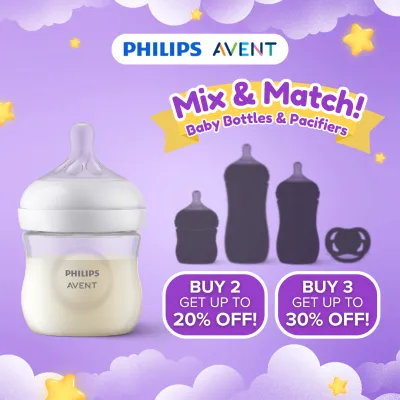
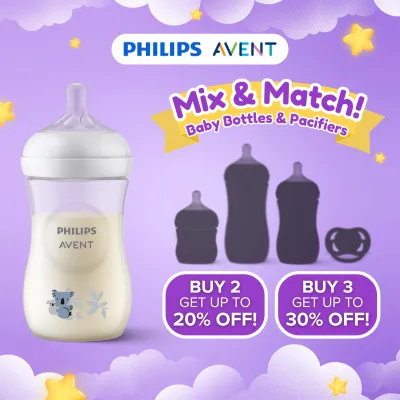
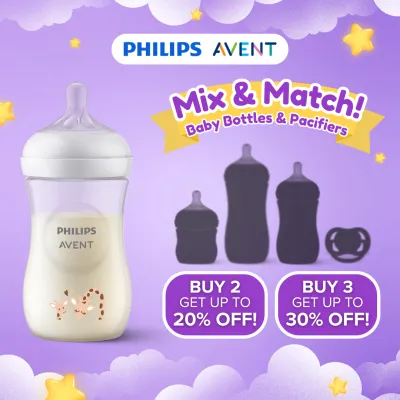
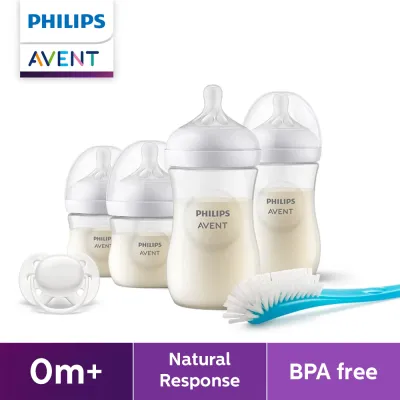
Prices are valid at publication and may change. Please refer to the product page for the latest price.
Inaccurate measurement markings on counterfeit bottles also present a subtle but serious risk to infant nutrition. If the milliliter or ounce indicators are misaligned or printed incorrectly, caregivers may consistently miscalculate the ratio of water to infant formula. Over time, preparing formula that is too diluted can lead to nutritional deficiencies, while formula that is too concentrated can strain an infant’s developing digestive system.
Physical manufacturing defects in fake bottles introduce immediate safety hazards. Poorly constructed silicone nipples may tear easily under suction, creating a dangerous choking hazard if a piece breaks off in the baby’s mouth. Additionally, defective anti-colic valves or weak structural seams can cause improper airflow during feeding, leading to excessive gas, painful colic, or frequent spitting up.
Key Red Flags to Spot Fake Philips Avent Bottles
When browsing online listings or inspecting a newly delivered package, several visual and tactile red flags can help you identify a counterfeit Philips Avent bottle.

First, examine the packaging closely for discrepancies. Genuine Philips Avent boxes feature high-resolution printing with crisp text, accurate brand logos, and intact security seals. Counterfeit packaging often displays blurry images, faded colors, spelling mistakes, or misaligned graphics. The cardboard used for fake boxes is frequently thin, flimsy, and easily crushed during transit, whereas authentic packaging is sturdy and designed to protect the product.
Second, inspect the bottle and nipple markings. On an authentic bottle, the volume measurement lines are perfectly straight, sharp, and highly durable, resisting scratches even after multiple washes. Fake bottles often feature blurry, smudged, or unevenly printed measurement lines that may scratch off easily with a fingernail. Additionally, look for the batch numbers and recycling symbols molded into the plastic base; counterfeits often omit these details or display rough, irregular molding seams that feel sharp to the touch.
Third, assess the material quality of the bottle. Genuine plastic bottles are made from premium materials that are completely odorless and structurally rigid. A counterfeit plastic bottle may emit a strong, unpleasant chemical smell right out of the box. It may also appear unexpectedly cloudy, have an unusual yellowish or greyish tint, or feel exceptionally lightweight and flexible when squeezed.
Finally, be wary of extreme price anomalies. While legitimate online stores frequently offer discounts, vouchers, or seasonal promotions, prices that seem too good to be true are a major warning sign. If an online marketplace listing offers a multi-pack of bottles for only a few hundred ₱—drastically lower than the standard retail price at authorized physical stores—the product is highly likely to be a counterfeit.
How to Verify Philips Avent Bottle Authenticity
To confirm the legitimacy of your purchase, you can perform a systematic physical inspection and compare the item against official manufacturer specifications.
Start by checking the batch codes and manufacturing details. Genuine Philips Avent bottles have specific batch codes, manufacturing dates, and standardized recycling symbols cleanly molded or printed on the base of the bottle and the bottom of the outer packaging. These codes must match and should be perfectly legible, without any smudging, uneven stamping, or irregular spacing.
Next, perform a direct comparison with official resources. Visit the manufacturer’s official website to view high-resolution product images and detailed specifications for the exact model you purchased. Pay close attention to the specific shape of the bottle, the design of the anti-colic valve, the texture of the silicone nipple, and the exact placement of the brand logo. Any variation in these design elements is a strong indicator of a counterfeit.
If you remain uncertain, utilize official brand verification channels. Some product lines include unique serial numbers or QR codes on the packaging that can be verified directly through the manufacturer’s customer service portals. If the physical markers on your bottle conflict with official specifications, or if the serial numbers cannot be verified, stop using the product immediately and contact the manufacturer’s customer support team for assistance.
Where to Find the Philips Avent Official Store and Authorized Sellers Online
The most effective way to avoid counterfeit baby products is to purchase exclusively from verified and authorized online sources.
When shopping on major e-commerce platforms, always search for the philips avent official store. These official storefronts are designated with platform-verified badges, such as “Mall” or “Official Store” tags, which guarantee that the products are sourced directly from the manufacturer or authorized distributors. Avoid buying from independent, third-party sellers who cannot provide proof of authorization, even if their listings feature official product photos.
It is also important to evaluate seller ratings and customer feedback before making a purchase. Look for stores with high overall ratings and a substantial history of positive reviews. Read the customer reviews carefully, focusing on those that include real photos and videos of the received items. Be skeptical of stores that have near-perfect ratings but only feature short, repetitive, or generic reviews, as these can sometimes be artificially generated to mask counterfeit sales.
Additionally, consider purchasing directly from the official online portals of established physical pharmacies, department stores, or major baby specialty retailers in the Philippines. These reputable businesses maintain strict supply chain controls and source their inventory directly from authorized distributors, ensuring that every bottle you buy is genuine and safe for your baby.
Steps to Take If You Suspect a Counterfeit Purchase
If you suspect that you have received a fake Philips Avent bottle, taking immediate action is essential to protect your baby and secure a resolution.
First, stop using the suspected bottle immediately. Do not attempt to feed your baby with it, as the potential health and safety risks of using unverified materials far outweigh the financial loss of the purchase. Store the bottle safely out of reach of children while you proceed with the verification and return process.
Second, document the evidence thoroughly. Take clear, high-resolution photographs and videos of the suspected counterfeit item, focusing on the packaging flaws, blurry markings, irregular seams, and any physical differences compared to genuine bottles. Keep all digital receipts, order confirmation emails, and shipping labels associated with the transaction.
Third, file a formal return and refund request through the e-commerce platform’s buyer protection program. Submit your documented evidence to support your claim that the item is counterfeit. Most major online marketplaces have strict anti-counterfeit policies and will facilitate a refund if you can demonstrate that the product is not genuine.
Finally, report the suspicious listing and seller to the platform administrators to prevent other parents from falling victim to the same scam. You can also report the incident to local consumer protection authorities, such as the Department of Trade and Industry (DTI) in the Philippines, to help curb the sale of counterfeit baby products in the market.
Frequently Asked Questions (FAQ)
Are all genuine Philips Avent bottles made of the same material?
No, genuine Philips Avent bottles are manufactured using different high-quality materials to suit various parental preferences. These include Polypropylene (PP), which is lightweight and slightly cloudy; Polyethersulfone (PES), which often has a natural honey-colored tint; and borosilicate glass, which is heavy, highly transparent, and heat-resistant. Because of these material differences, variations in clarity, weight, and color tint are completely normal and do not necessarily indicate a counterfeit product, provided all other authenticity markers are present.
Can I sterilize a suspected fake Philips Avent bottle to make it safe?
No, you should never attempt to sterilize a suspected counterfeit bottle to make it safe for use. High-heat sterilization methods, such as boiling, steam, or microwave sterilization, require materials with certified heat resistance. Counterfeit plastics are often made from unverified, low-grade materials that can melt, warp, or leach harmful chemicals when exposed to high temperatures. If you suspect a bottle is fake, the only safe course of action is to discard it or return it to the seller.

Community discussion
Share your experience or ask a question. Comments are reviewed before publication.