
Ensuring your child receives safe and nutritious formula milk starts with verifying product authenticity. While counterfeiters constantly adapt their methods, purchasing from verified official channels and knowing how to inspect packaging and physical characteristics remain your strongest defenses. This guide outlines practical steps to identify authorized Enfagrow retailers and recognize potential red flags before and after purchase.
Why Authentic Formula Milk Is Critical for Your Child
Feeding your child authentic formula milk is vital for their growth and overall well-being. Counterfeit products often bypass the rigorous quality controls that legitimate manufacturers establish. When a product is fake, there is no guarantee that it contains the correct balance of vitamins, minerals, and proteins required for your child’s specific developmental stage. This can lead to nutritional deficiencies that may affect their development over time.
Furthermore, unregulated manufacturing environments pose severe contamination hazards. Unauthorized facilities often lack basic sanitation protocols, exposing the powder to harmful bacteria, heavy metals, or foreign physical contaminants. Authentic formula milk, by contrast, is produced under strict food safety standards and undergoes extensive testing before it reaches store shelves. Ensuring your child only consumes genuine products protects them from these avoidable health risks.
Products mentioned in this guide
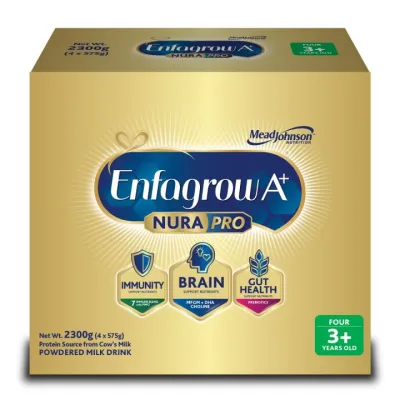
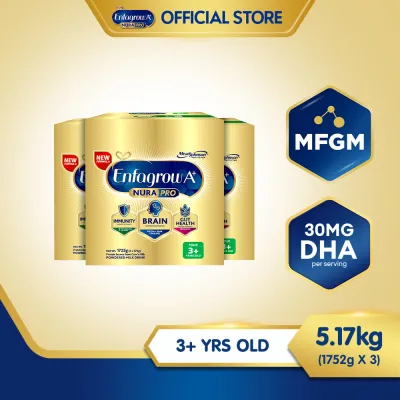
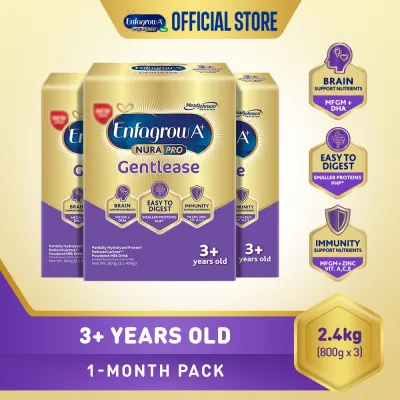
Prices are valid at publication and may change. Please refer to the product page for the latest price.
How to Find and Verify Official Enfagrow Stores
The most effective way to protect your child from counterfeit formula is to buy exclusively from authorized sellers. When shopping on major e-commerce platforms in the Philippines, look for verified seller tags, such as official flagship store badges or brand-authorized storefront indicators. These badges are typically granted only after the seller provides official business registration and distribution agreements to the platform.

If you prefer shopping in person, consult the official brand website for a directory of authorized physical retailers. Established supermarket chains, major drugstores, and reputable baby specialty stores across the country source their inventory directly from authorized distributors. Purchasing from these brick-and-mortar establishments offers an extra layer of security, as their supply chains are highly regulated and documented.
Be highly cautious of unauthorized third-party resellers, especially on social media marketplaces or classified ads. These sellers often source their stock from unknown channels, making it impossible to verify the product’s origin or storage conditions. Additionally, be skeptical of listings offering prices significantly below the standard retail market rate, which often ranges from several hundred to thousands of ₱. If a deal seems too good to be true, it is highly likely that the product is either counterfeit, expired, or improperly stored.
Packaging Red Flags: How to Inspect the Tin and Seals
Before opening any formula container, conduct a thorough physical inspection of the packaging. Start by examining the outer shrink wrap, plastic lids, and foil seals. Authentic tins feature tightly sealed, tamper-evident packaging with no signs of re-gluing, punctures, or loose edges. If the plastic lid feels unusually flimsy or the inner foil seal is partially peeled back, do not use the product.
Next, pay close attention to the print quality on the label. Legitimate manufacturers use high-precision printing technology, resulting in sharp text, vibrant colors, and perfectly aligned logos. Counterfeit packaging often exhibits blurry lettering, faded colors, or misaligned graphics. Take a moment to read the nutritional information and ingredient list; spelling mistakes or grammatical errors are immediate indicators of a fake product.
You should also verify that the batch numbers, manufacturing dates, and expiration dates are clearly printed and properly aligned. On authentic products, these details are typically ink-jetted or laser-engraved on the bottom of the tin or the back of the box. Compare these codes across the packaging; they must match perfectly. If you are purchasing a boxed multi-pack, ensure the details on the outer carton match the individual pouches inside.
Many modern formula products feature official anti-counterfeiting labels, unique QR codes, or holographic stickers. If your packaging includes these features, follow the manufacturer’s specific instructions to scan or verify them online. These digital verification systems connect directly to the manufacturer’s database, providing a reliable way to confirm that the specific tin in your hands is genuine.
Post-Purchase Checks: Texture, Smell, and Mixing
Even if the packaging appears authentic, you should inspect the physical properties of the powder before preparation. Wash your hands thoroughly and scoop a small amount of powder to observe its texture and color. Genuine formula powder is typically fine, consistent in color, and free-flowing. While the tropical humidity in the Philippines can sometimes cause minor clumping if the container is left open, unopened tins should not contain hard, stubborn lumps or unusual discoloration.
Give the powder a gentle sniff to check its aroma. Authentic formula has a mild, pleasant, and slightly sweet milk scent. If you detect an off-putting, rancid, sour, or overly chemical odor, this is a major red flag. Such smells often indicate that the product has spoiled, been contaminated, or was manufactured using substandard ingredients.
When preparing the formula, closely monitor its solubility and mixing behavior. Follow the manufacturer’s exact instructions regarding water temperature and mixing techniques. Genuine powder should dissolve smoothly without leaving excessive, gritty residue at the bottom of the bottle or causing abnormal separation. If the mixture clumps excessively or separates into distinct layers rapidly, stop feeding the product immediately and consult your pediatrician.
Action Plan: What to Do If You Suspect a Fake
If you suspect that you have purchased a counterfeit product, your immediate priority is your child’s safety. Stop using the formula immediately and do not attempt to feed it to your child, even in small amounts. Switch to a known authentic batch or consult your pediatrician for alternative feeding options while you resolve the issue.
Keep all physical evidence intact. Do not discard the remaining formula powder, the tin, the scoop, or the outer packaging. If you purchased the product online, take screenshots of the product listing, the seller’s profile, your order confirmation, and any chat history with the seller. This documentation will be crucial when reporting the incident.
Contact the manufacturer’s local consumer hotline or official customer service channels in the Philippines. Legitimate brands take counterfeit reports very seriously and can help you verify the batch code or guide you on how to submit the product for testing. Additionally, report the suspicious seller to the e-commerce platform’s customer support and file a formal complaint with local consumer protection agencies to prevent other parents from purchasing from the same source.
Frequently Asked Questions (FAQ)
Can I rely solely on the price to determine if Enfagrow is authentic?
No, you should not rely solely on price. While an unusually low price is a major warning sign, some counterfeiters intentionally price their fake products close to the standard retail rate to avoid suspicion. Always combine price checks with seller verification and a thorough inspection of the packaging.
Does a damaged outer box always mean the formula inside is fake?
Not necessarily. Minor dents, creases, or tears can occur during shipping and handling, especially under tropical transit conditions. However, the inner foil seal must remain completely intact. If the inner seal is broken, punctured, or shows signs of tampering, do not feed the formula to your child.

Community discussion
Share your experience or ask a question. Comments are reviewed before publication.