
Ensuring your infant’s feeding equipment is genuine is a critical step in protecting their health and development. When purchasing BabyFlo bottles online, verifying authenticity requires a careful look at packaging details, material quality, and seller credentials. By learning how to spot counterfeit indicators and ensuring you buy directly from the verified babyflo official store, you can confidently protect your baby from the hazards of counterfeit products. This guide outlines the essential steps to evaluate your purchase and navigate online marketplaces safely.
Why Authenticity Matters for Baby Bottles
Feedings are frequent, and baby bottles undergo constant wear, washing, and high-temperature sterilization. In tropical climates like the Philippines, where high humidity and heat can accelerate the degradation of low-quality materials, using authentic, food-grade baby bottles is especially critical. Counterfeit baby bottles often bypass strict manufacturing regulations, meaning they may contain hazardous chemicals such as Bisphenol A (BPA), phthalates, or heavy metals. When exposed to boiling water or steam sterilizers, these non-food-grade plastics can leach toxins directly into your baby’s milk.
Furthermore, counterfeit materials often exhibit poor heat resistance, causing them to warp, crack, or release microplastics during routine cleaning. The risk extends to the silicone nipple as well; poorly manufactured nipples may tear easily under suction, creating a severe choking hazard if a piece breaks off in the infant’s mouth. Additionally, inconsistent flow rates from imitation nipples can cause colic, gas, or feeding frustration. Visual similarity to genuine products is never a guarantee of safety, making thorough verification essential before any bottle enters your baby’s feeding routine. If your child experiences unexpected feeding difficulties or skin irritation around the mouth, stop using the bottle immediately and consult a pediatrician.
Products mentioned in this guide
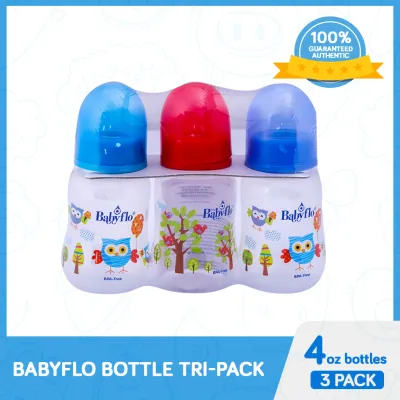
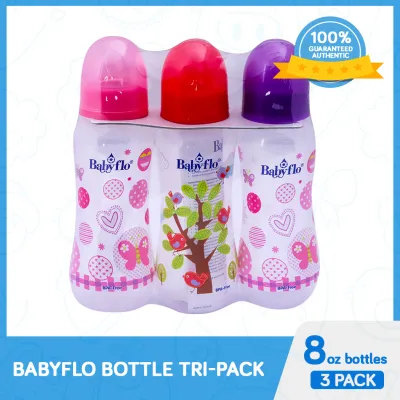
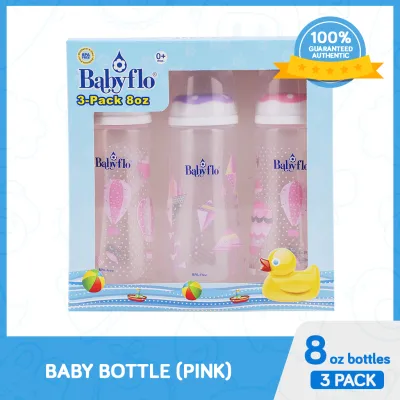
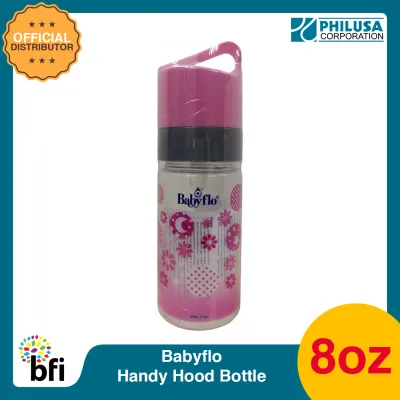
Prices are valid at publication and may change. Please refer to the product page for the latest price.
Key Differences Between Real and Fake BabyFlo Bottles
Inspecting a baby bottle thoroughly before its first use is the most effective way to protect your child from counterfeit products. Genuine manufacturers maintain strict quality control standards, resulting in consistent, high-quality finishes that counterfeiters struggle to replicate.

Packaging and Labeling Details
Authenticity checks begin with the box and the markings printed on the bottle itself. Authentic BabyFlo packaging features clean, high-resolution printing with vibrant colors and sharp text alignment. Carefully examine the retail box for any signs of subpar printing, such as blurry fonts, pixelated brand logos, or color bleeding. Misspelled words, grammatical errors, or missing local regulatory markings on the box are immediate red flags.
Every genuine package should display a clearly printed batch number, manufacturing date, and expiration or best-use guidelines. If these details are missing, smudged, or printed on a crooked sticker rather than directly on the cardboard, exercise extreme caution. Additionally, check the included instruction manual or safety insert. Genuine inserts are printed on quality paper with clear, legible diagrams and accurate safety warnings in proper English or localized languages. Counterfeit inserts often contain poorly translated text, low-quality black-and-white photocopies, or mismatched product diagrams.
Do not forget to inspect the volume measurement markings on the bottle body. On an authentic bottle, the milliliter (ml) and fluid ounce (oz) markings are perfectly aligned, sharp, and easy to read. Counterfeit bottles often feature crooked, fading, or easily scratched-off measurement lines, which can lead to dangerous errors when mixing infant formula.
Material Quality and Craftsmanship
The physical build of the bottle provides immediate clues about its authenticity. Authentic bottles are made from high-quality, durable plastics like polypropylene (PP) that feel sturdy and have a uniform thickness. Run your fingers along the bottle body to check for visible, rough molding seams, uneven plastic distribution, or sharp edges that could scratch your hands or your baby. Genuine bottles are clear or uniformly tinted, whereas counterfeits may look cloudy, yellowed, or contain tiny bubbles trapped within the plastic walls.
Pay close attention to the screw collar and the hood. Authentic bottles feature smooth, well-defined threads that allow the collar to screw on securely without leaking. If the collar slips, cross-threads easily, or leaks when tilted, the structural integrity is compromised.
The silicone nipple requires equally close inspection. An authentic nipple is highly elastic, clear, odorless, and features clean molding edges with accurate flow-rate markings. Counterfeit nipples often have a strong, unpleasant chemical or rubbery odor, feel overly rigid or sticky, and deform permanently when gently stretched. Always cross-reference the physical bottle dimensions, volume capacities, and shapes with the official specifications listed on the manufacturer’s website.
How to Verify Your Purchase Through Official Channels
Modern packaging often includes security features designed to help consumers verify authenticity. Look for security QR codes, holographic stickers, or scratch-off verification panels on the BabyFlo packaging. When scanning a security QR code, pay close attention to the URL of the landing page. Authentic codes will redirect you to a secure, official brand website using HTTPS encryption. If the link redirects to a suspicious third-party domain, lacks a secure connection, or displays a warning that the code has already been scanned multiple times, the product is highly likely a counterfeit.
Another reliable method is checking the batch number printed on the bottom of the bottle or the packaging box. You can contact BabyFlo customer support directly through their official channels to verify if the batch number matches their production records. When reaching out to customer support, provide clear, well-lit photographs of the product, the packaging, the batch codes, and your proof of purchase. This direct verification workflow is the most definitive way to resolve any doubts about your product’s legitimacy.
Identifying the Official BabyFlo Store Online
Navigating online marketplaces requires vigilance to avoid unauthorized third-party sellers who may deal in counterfeit goods. To ensure you are buying genuine products, always look for the verified babyflo official store on major e-commerce platforms. Authentic brand stores are marked with distinct visual indicators, such as “Official Store,” “Mall,” or “Preferred” badges, along with verified seller checkmarks. These badges indicate that the platform has vetted the seller’s business registration and product supply chain.
Beyond the badges, evaluate the store’s performance metrics. Legitimate official stores typically have high follower counts, positive seller ratings above 90%, and a robust history of customer transactions. Examine the customer reviews carefully; look for detailed feedback containing actual photos and videos of the received products rather than generic, repetitive phrases that might indicate fake reviews.
Be highly suspicious of listings offering prices significantly lower than the standard retail price. While legitimate stores run occasional promotions, authentic BabyFlo bottles generally retail within a standard price band of ₱50 to ₱250 depending on the size and pack configuration. Extreme discounts—such as a multi-pack offered for a fraction of the normal cost—are a primary tactic used by counterfeiters to quickly liquidate unsafe inventory. Buying directly from the official online storefront guarantees platform-backed buyer protection and product authenticity.
What to Do If You Suspect a Counterfeit Product
If you suspect that you have received a counterfeit BabyFlo bottle, your immediate priority must be your baby’s safety. Stop using the bottle and nipple immediately, and store them safely out of reach of your child. Do not attempt to feed your baby with a suspected counterfeit product under any circumstances.
Next, document your findings thoroughly. Take clear, high-resolution photos and videos of the packaging, labels, batch codes, and any physical defects or signs of poor quality. This evidence is crucial for securing a refund. Keep the suspected counterfeit item intact as physical evidence rather than discarding it immediately, as the platform or brand may request it during their investigation.
Initiate a return or refund request through the e-commerce platform’s buyer protection program, citing “counterfeit item” or “product not as described” as the reason. Provide your documented evidence to support your claim. Finally, report the suspicious seller to the platform’s customer service or merchant compliance team to help prevent other parents from unknowingly purchasing hazardous counterfeit goods.
Frequently Asked Questions (FAQ)
Can I sterilize a suspected fake bottle just to be safe?
Strongly advise against using, boiling, or sterilizing suspected fake bottles. Counterfeit plastics may not be heat-resistant and can release harmful chemicals, leach toxins, or physically deform when exposed to high temperatures, posing a severe risk to your baby’s health.
Do authentic BabyFlo bottles always include a warranty card?
The inclusion of warranty cards, registration inserts, or specific promotional leaflets depends on the product line, batch, and region of purchase. Check the official BabyFlo website or contact local customer service to confirm exactly which standard inserts should be included for your specific bottle model.

Community discussion
Share your experience or ask a question. Comments are reviewed before publication.