
Selecting a thick, waterproof nipple tape in the Philippines requires balancing physical protection with skin health, especially under tropical conditions. Breastfeeding mothers frequently experience nipple soreness, friction from clothing, and milk leakage, all of which can be exacerbated by high humidity and heat. While standard nursing pads absorb moisture, they often hold wetness against the skin, leading to irritation. A specialized thick, waterproof nipple tape acts as a protective shield, blocking external friction while keeping milk from soaking through your clothes.
Because the market is filled with various brands and formulations, finding the right product involves looking past marketing claims and focusing on material specifications. This guide outlines how to evaluate thickness, breathability, adhesive safety, and seller credibility so you can make an informed decision. By understanding what to look for on local e-commerce platforms, you can build a reliable shortlist that supports your breastfeeding journey without compromising your skin’s integrity.
Why Thickness and Waterproofing Matter for Sore Nipples
During the first few weeks of breastfeeding, the delicate skin of the nipple and areola undergoes significant adaptation. Soreness is a common response to latch adjustments, frequent feeding sessions, and the constant rubbing of clothing against sensitive tissue. Standard nursing pads are designed primarily for absorption, but they often lack the structural thickness needed to cushion the breast against direct impact or friction. A thick nipple tape provides a physical barrier that absorbs these mechanical forces, allowing the skin underneath to rest and recover between feeds.
Products mentioned in this guide
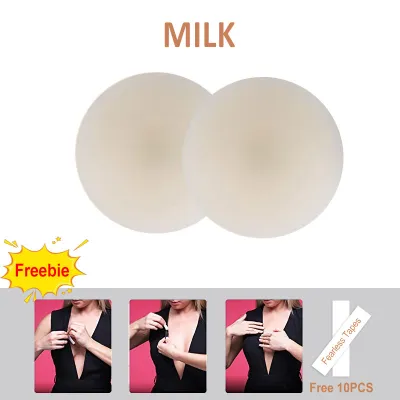
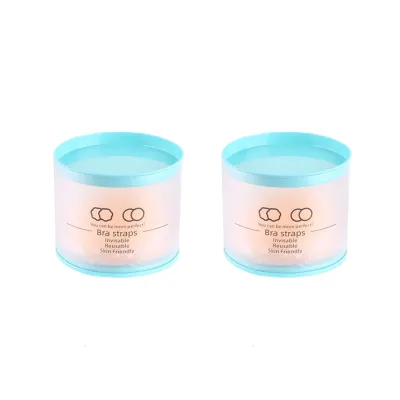
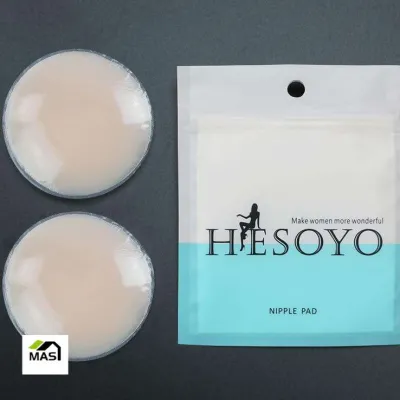
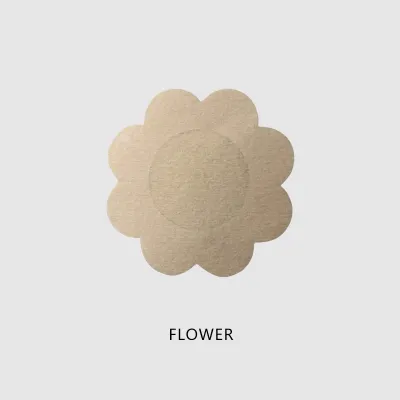
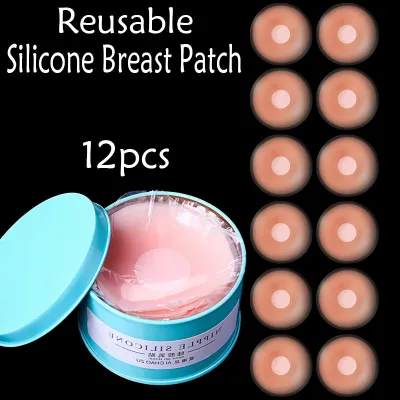
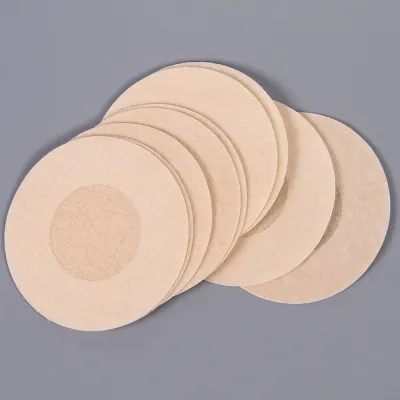
Prices are valid at publication and may change. Please refer to the product page for the latest price.
Waterproofing plays a dual role in both comfort and hygiene. From an internal perspective, a waterproof backing prevents breast milk from leaking outward and staining your garments, which is a frequent concern for active mothers. From an external perspective, it prevents sweat and environmental moisture from penetrating the protective barrier. In the warm and humid climate of the Philippines, sweat can easily accumulate on clothing; a waterproof barrier ensures that this external moisture does not compromise the dry, clean environment maintained directly over the nipple.
However, while these protective covers offer excellent temporary relief, they are not a substitute for addressing the root cause of breastfeeding discomfort. If you experience severe cracking, bleeding, signs of infection such as localized warmth, pus, or spreading redness, or systemic symptoms like fever and chills (which may indicate mastitis), you must stop using adhesive products immediately. Under these conditions, trapping moisture or applying adhesive can worsen the situation, and you should consult a lactation consultant or a healthcare provider for targeted clinical support.
Essential Material and Design Specifications to Verify
When evaluating thick waterproof nipple tapes, the physical construction of the product determines its effectiveness. A high-quality tape typically features a multi-layer design rather than a single sheet of adhesive material. The innermost layer, which directly contacts the nipple, should consist of a soft, non-adhesive, absorbent pad or core. This ensures that the most sensitive part of the breast is never subjected to direct adhesive pull, while the outer layers provide the necessary thickness and waterproof protection.

The thickness of the tape should be clearly specified in the product description or visible in detailed product diagrams. Look for options that offer a cushioned profile, often achieved through dense foam, hydrogel, or multi-layered fabric structures. This thickness is what disperses the pressure of tight clothing or accidental bumps. However, thickness must not come at the expense of breathability. A completely sealed, non-breathable plastic barrier will trap body heat and perspiration, leading to skin maceration—a condition where the skin becomes soft, white, and easily torn due to constant wetness.
To prevent maceration, verify that the outer waterproof layer is made from a semi-permeable material, such as polyurethane film. This material is engineered to block liquid water from entering or leaving while allowing microscopic water vapor molecules to escape. Additionally, pay close attention to the shape of the tape. Contoured, circular, or flower-shaped designs conform much better to the natural, three-dimensional curve of the breast than flat, square tapes. Pre-shaped designs minimize the risk of the tape folding or bunching, which can create painful pressure points under your bra.
Evaluating Adhesion Strength and Skin Compatibility
The adhesive system of a nipple tape is critical to both its performance and your comfort. Because the skin on and around the breast is highly sensitive and may already be compromised from nursing, the adhesive must be selected with extreme care. Prioritize products that explicitly state they use hypoallergenic, medical-grade acrylic or silicone-based adhesives. Silicone adhesives are highly regarded for their gentle nature; they adhere securely to dry skin but release easily without pulling the epidermis, making them ideal for repeated daily application.
There is an inherent trade-off between adhesion strength and ease of removal. A tape with exceptionally strong adhesion will remain waterproof even during heavy sweating or movement, but it carries a higher risk of stripping the delicate outer layer of your skin when you peel it off. Conversely, a very gentle adhesive may lift at the edges when exposed to tropical humidity or milk leakage. When selecting a product, look for options that strike a balance, prioritizing skin safety over permanent hold, especially if your skin is prone to irritation.
Before applying any new adhesive product to your breast, performing a patch test is a vital safety step. Cut a small piece of the tape and apply it to a less sensitive area of your body, such as your inner forearm or the side of your breast away from the areola, for 24 hours. Monitor the site closely for any signs of contact dermatitis, which include redness, itching, swelling, or tiny blisters. If any reaction occurs, do not use the product on your nipples, as the skin there is far more vulnerable to severe allergic reactions and tearing.
Building a Conditional Shortlist from Online Marketplaces
Navigating online marketplaces in the Philippines requires a strategic approach to ensure you receive genuine, safe, and properly stored products. Because baby care and maternal health products directly impact your well-being, avoid buying from unverified third-party sellers who offer unusually low prices. Instead, filter your search results to focus on official brand stores, authorized distributors, or highly rated pharmacy retailers. These sellers are more likely to adhere to proper storage conditions, ensuring the adhesives have not degraded in hot warehouses.
When browsing product listings, do not rely solely on the overall star rating, which can sometimes be inflated or based on shipping speed rather than product quality. Instead, dive deep into the user reviews and filter for feedback from verified buyers who specifically mention breastfeeding. Look for comments detailing the actual thickness of the tape, how well it prevents milk leakage, and whether the removal process was painful. Reviews that include photos or videos of the product’s texture and thickness are particularly valuable for verifying the manufacturer’s claims.
Finally, consider the financial sustainability of the product by calculating the cost per unit or cost per day in ₱. Breastfeeding is a continuous journey that can last for many months, and using disposable adhesive tapes daily can quickly become a significant household expense. Compare the pricing of bulk packs against smaller starter packs, and weigh the cost of disposable options against high-quality, reusable silicone alternatives that can be washed and sanitized. This comparison ensures you find a solution that fits both your physical needs and your monthly budget.
Safe Application, Wear, and Removal Practices
To maximize the protective benefits of your nipple tape and prevent further skin trauma, establishing a careful application and removal routine is essential. Begin by preparing your skin. The breast area must be washed with a mild, fragrance-free soap and water, then patted completely dry with a clean towel. Avoid applying any nipple creams, lanolin, coconut oil, or lotions to the skin immediately before application, as these oily substances will destroy the adhesive’s ability to bond with your skin, causing the tape to peel off prematurely.
When applying the tape, center the non-adhesive protective core directly over your nipple. Smooth the adhesive edges outward from the center, pressing gently to ensure a secure seal. It is crucial that you do not stretch the tape or pull your skin taut during this process. Applying adhesive tape under tension creates constant shear force on the skin, which frequently results in painful friction blisters and skin tears along the outer edges of the tape as you move throughout the day.
Removal must be approached with extreme patience to avoid stripping the epidermis. Never pull the tape off quickly like a standard adhesive bandage. Instead, saturate the tape with warm water during a shower, or apply a safe oil, such as coconut oil or a designated medical adhesive remover, to the edges of the tape. Allow the liquid to penetrate and break down the adhesive bond for a few minutes. Gently peel the tape back slowly, folding it flat against itself rather than pulling it straight up, and stop immediately if you feel any painful resistance or notice skin tearing.
Frequently Asked Questions (FAQ)
Can I use thick waterproof nipple tape if I have active nipple fissures?
Adhesive tapes should generally not be applied directly over open, bleeding, or infected nipple fissures without explicit medical approval. Placing an adhesive border or even a non-adhesive core over a deep, open wound can trap bacteria, create an anaerobic environment that promotes infection, and cause further trauma during removal. If you have active fissures, consult a healthcare professional or a lactation consultant. They can recommend safer, non-adhesive protective barriers, such as purified medical-grade lanolin, sterile saline compresses, or specialized non-adhesive hydrogel pads designed for wound healing.
How often should I change the tape during a breastfeeding session?
You should change the nipple tape whenever it becomes saturated with milk, soiled, or after the maximum number of hours specified on the product label. Leaving a damp or saturated tape on your breast for extended periods creates a warm, wet environment that encourages bacterial and fungal growth, such as thrush. Always allow your skin to air-dry completely between applications. Giving your skin a break from adhesives for a few hours each day helps maintain the natural skin barrier and prevents moisture-related skin breakdown.
Will the waterproof layer trap heat and cause sweat rash?
In the tropical climate of the Philippines, trapping heat and sweat is a common issue with waterproof materials, which can lead to heat rash (miliaria). To minimize this risk, it is vital to select tapes that feature a breathable, semi-permeable outer membrane rather than a solid plastic backing. This allows sweat vapor to evaporate while keeping liquid milk contained. Monitor your skin closely for signs of trapped moisture, such as tiny red bumps, itching, or localized irritation. If you notice any signs of heat rash, discontinue use immediately and let your skin air-dry.

Community discussion
Share your experience or ask a question. Comments are reviewed before publication.