
Deciding whether to use a breastfeeding nipple shield can feel overwhelming, especially when navigating the early, sleep-deprived weeks of parenthood. A nipple shield—a thin, flexible silicone cover worn over the nipple during feeding—is a specialized tool designed to address specific latching difficulties, flat or inverted nipples, or temporary nipple damage. It is not a permanent fixture of your breastfeeding journey, nor is it a universal remedy for every nursing challenge. In warm, tropical climates like the Philippines, where high humidity can sometimes exacerbate skin irritation, moisture buildup, or thrush, understanding when and how to use this tool safely is essential for both maternal comfort and infant health.
Using a nipple shield should always be approached as a short-term supportive measure rather than a primary solution. While it can provide immediate relief and help a struggling baby transfer milk, improper use can lead to complications such as decreased milk supply or latch dependency. Before introducing this device to your feeding routine, it is vital to understand the specific signs that point to its necessity, conduct a thorough self-assessment, and explore alternative adjustments that might resolve your challenges naturally.
Common Breastfeeding Challenges That Might Indicate a Need
Latch difficulties are among the most frequent reasons parents consider using a nipple shield. If your baby constantly slips off the breast, struggles to maintain a deep latch, or makes a distinct clicking sound while nursing, they may not be drawing enough breast tissue into their mouth. A shallow latch often leads to severe nipple pain, cracking, or bleeding. While some initial tenderness is common during the first week of breastfeeding, persistent, sharp pain during or after feeds is a clear signal that the latch needs adjustment, and a shield may offer temporary protection while you address the root cause.
Products mentioned in this guide
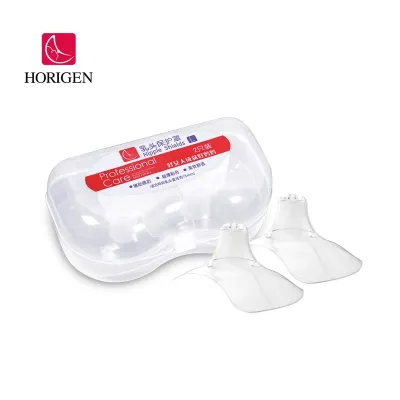
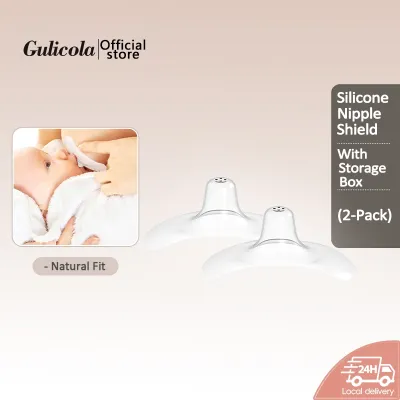
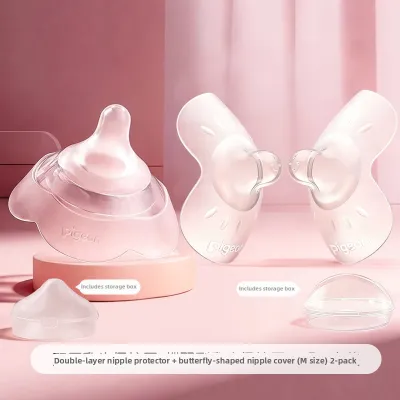
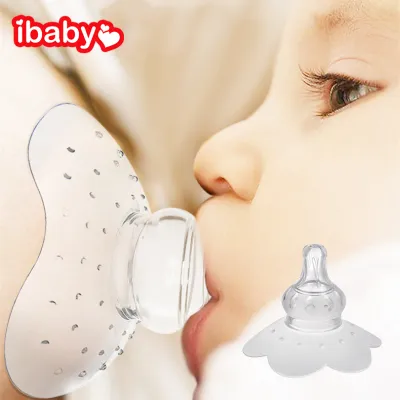
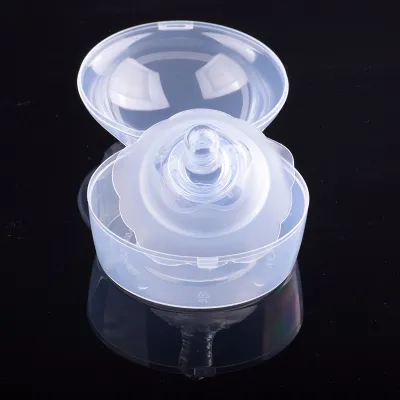
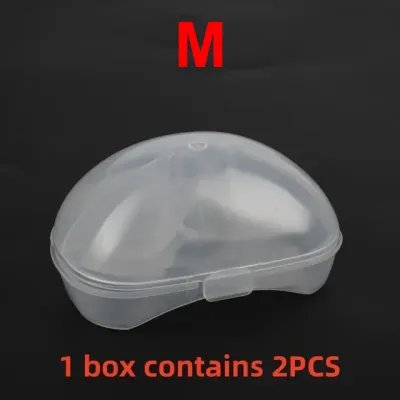
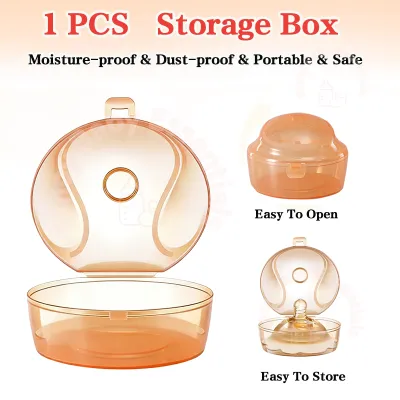
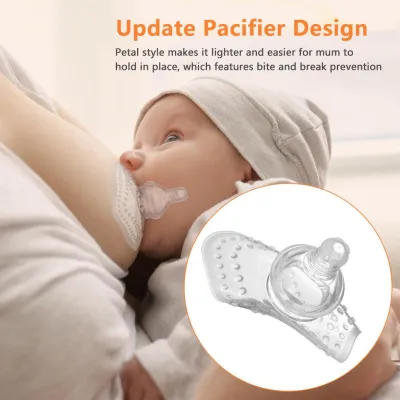
Prices are valid at publication and may change. Please refer to the product page for the latest price.
Anatomical factors also play a significant role in how easily a baby can latch. If you have flat or inverted nipples, your baby may find it difficult to locate the nipple or stimulate the roof of their mouth, which is the natural trigger for their sucking reflex. A nipple shield provides a firm, extended shape that helps the baby latch and maintain suction, acting as a physical guide. This can be particularly helpful for premature infants or babies with weaker oral muscles who struggle to draw out the breast tissue on their own.
It is important to remember that anatomical challenges do not automatically mean you must use a shield. Many babies successfully latch onto flat or inverted nipples once they grow slightly larger and develop stronger suction. However, if your baby is losing weight, showing signs of frustration at the breast, or if feeding has become too painful to continue, a shield can serve as a helpful bridge to keep you breastfeeding while your baby’s oral motor skills mature.
How to Self-Assess Before Trying a Nipple Shield
Before purchasing a shield from an online marketplace or a local baby boutique, it is crucial to perform a systematic self-assessment. Start by evaluating your current latch and positioning. Sit in a comfortable, supportive chair and observe your baby’s mouth during a feed. A proper latch involves a wide-open mouth, flanged lips, and the baby’s chin pressed firmly against your breast, with more of the lower areola covered than the upper. If you are nursing in a humid environment, sweat can make the skin slippery, making it harder to maintain a secure position without proper support.

Next, check for underlying issues that a nipple shield cannot resolve. For instance, severe breast engorgement can flatten even prominent nipples, making it temporarily impossible for a baby to latch. Similarly, infant oral restrictions, such as a tongue-tie or lip-tie, limit the tongue’s range of motion, preventing a deep latch regardless of whether a shield is used. If the underlying issue is anatomical on the baby’s part, using a shield may only mask the symptoms while the baby continues to struggle with efficient milk transfer.
Recognizing when to pause self-treatment is essential for your baby’s safety. If you observe signs of dehydration, such as fewer than six wet diapers in a 24-hour period, dark urine, or extreme lethargy, you must seek immediate professional help. Persistent, severe nipple pain that does not improve with positioning adjustments, or visible signs of infection such as pus or red streaks, are also critical indicators that you should stop trying to manage the issue alone and schedule an in-person evaluation with a certified lactation consultant or pediatrician.
When a Nipple Shield Is Not the Right Solution
A nipple shield is not a cure-all and can sometimes complicate breastfeeding if introduced under the wrong circumstances. It is not the correct solution for medical conditions like mastitis—characterized by fever, flu-like body aches, and a hot, red, swollen area on the breast—or deeply blocked milk ducts. These conditions require immediate medical evaluation and targeted treatment, such as frequent, effective milk removal, gentle massage, and potentially antibiotics prescribed by a healthcare provider.
Using a shield to mask the pain of a poor latch without addressing the root cause carries significant risks. Because the silicone barrier reduces direct skin-to-skin contact, it can decrease the hormonal stimulation your body needs to produce milk, potentially leading to a drop in your overall milk supply over time. Additionally, some babies can develop a preference for the firm texture of the silicone, making it highly challenging to transition them back to the natural breast once the initial issues are resolved.
There are several observable signs that indicate you should stop using a shield or avoid it altogether. If your baby falls asleep almost immediately after latching without active swallowing, or if your breasts still feel heavy and unemptied after a feed, the shield may be hindering milk transfer. Worsening nipple damage, skin maceration from trapped moisture under the shield, or signs of oral thrush in your baby’s mouth are also clear indicators that the device is causing further complications and should be discontinued under professional guidance.
Alternative Solutions and Adjustments to Try First
Before relying on a physical device, there are several highly effective, non-invasive adjustments you can try to improve your breastfeeding experience. Experimenting with different positioning techniques can dramatically alter the depth of your baby’s latch. The laid-back breastfeeding position, also known as biological nurturing, uses gravity to help your baby bring more breast tissue into their mouth naturally. Alternatively, the football hold offers excellent visibility and control of the baby’s head, making it easier to guide them onto the breast, especially for mothers recovering from a cesarean delivery.
If breast engorgement is the primary obstacle preventing a good latch, managing the fluid buildup before feeding is essential. You can try reverse pressure softening, which involves gently pressing your fingertips around the base of the nipple for a minute to push excess fluid back into the breast tissue, softening the areola. Gentle hand expression for a few minutes before nursing can also release the initial pressure, making the breast pliable enough for the baby to latch onto comfortably without needing a shield.
Basic nipple care routines can also provide significant relief from temporary soreness without interfering with the latch. After each feeding session, express a few drops of breast milk and gently rub them onto your nipples, allowing them to air dry completely. In warm, humid climates, keeping the nipple area dry is vital to prevent fungal infections. You can also apply a thin layer of purified, medical-grade lanolin or use cool compresses to soothe irritated skin between feeds, ensuring you follow the manufacturer’s instructions for any topical products.
Transitioning to or Weaning Off a Nipple Shield
If you and your lactation consultant determine that a nipple shield is necessary, it must be introduced with careful monitoring. Selecting the correct size is critical; you must measure your nipple diameter and refer to the manufacturer’s sizing guide, as a shield that is too small will cause painful friction, while one that is too large will lose suction. During use, closely monitor your baby’s weight gain and track their daily output of wet and dirty diapers to ensure they are successfully transferring enough milk through the silicone barrier.
Once the initial challenges begin to resolve—such as your nipples becoming less sensitive or your baby’s mouth growing larger and stronger—you can start the gradual weaning process. Try starting a feeding session with the shield to draw the nipple out, and then gently slip it off mid-feed when your baby is relaxed and the nipple is elongated. Alternatively, you can try offering the breast without the shield during the night or early morning when your baby is sleepy and more likely to latch instinctively.
Throughout any transition phase, ongoing monitoring is essential to ensure your baby’s nutrition is not compromised. Schedule regular check-ins with your pediatrician or lactation consultant to perform weighted feeds, which measure exactly how much milk your baby consumes during a session. If your baby shows signs of frustration, refuses to latch without the shield, or if their weight gain slows down, pause the weaning process and consult a professional to adjust your strategy safely.
Frequently Asked Questions (FAQ)
Can a nipple shield decrease my milk supply?
Yes, if used incorrectly or without professional supervision, a nipple shield can potentially decrease your milk supply. The silicone barrier reduces the direct skin-to-skin contact and warmth that triggers the release of prolactin and oxytocin, the hormones responsible for milk production and the let-down reflex. Furthermore, if the shield does not fit properly, the baby may not empty the breast effectively, signaling your body to produce less milk. To safeguard your supply, monitor your baby for active swallowing sounds, track their diaper output, and consult a lactation professional to verify that milk transfer is sufficient.
How do I know if the nipple shield fits correctly?
A correctly fitting nipple shield should allow your nipple to center comfortably inside the shaft without rubbing against the silicone walls during suction. There should be a small gap between the tip of your nipple and the end of the shield’s shaft, allowing space for the nipple to expand. When your baby latches, their mouth should cover a wide portion of the shield’s outer brim, not just the tip, creating a secure seal against your breast. After a feed, your nipple should not look pinched, blanched, or show deep friction marks, and you should not experience increased pain during use.
Community discussion
Share your experience or ask a question. Comments are reviewed before publication.