
Carrying your newborn in a baby sling carrier offers a beautiful way to bond while keeping your hands free for daily tasks. However, keeping your little one safe and comfortable requires mastering the correct wrapping techniques and positioning from day one. In warm, humid tropical climates like the Philippines, babywearing also demands extra attention to fabric breathability and temperature regulation to prevent your baby from overheating. By focusing on proper airway clearance, hip alignment, and secure wrapping, you can confidently enjoy the benefits of babywearing while prioritizing your infant’s physical development and safety.
Preparing Your Sling and Verifying Safety Boundaries
When preparing to use a baby sling, your first step must always be to consult the manufacturer’s instruction manual. Every brand and model of baby sling carrier has specific minimum weight, age, and developmental requirements that you must verify. Whether you are budgeting around ₱1,500 to ₱4,000 for a new carrier or using a gifted one, never assume a carrier is safe for a newborn simply because of its name or visual appearance. Always check the printed label or official documentation to confirm your baby meets the minimum weight threshold.
Next, perform a thorough physical inspection of the carrier itself. Examine the fabric for any signs of thinning, fraying, or torn threads, especially along the seams and edges. If your carrier utilizes hardware, such as metal or plastic rings, buckles, or adjusters, inspect these components closely for cracks, warping, or sharp edges. Any compromise in the structural integrity of the fabric or hardware means the carrier is unsafe to use and must be retired or replaced immediately.
Products mentioned in this guide


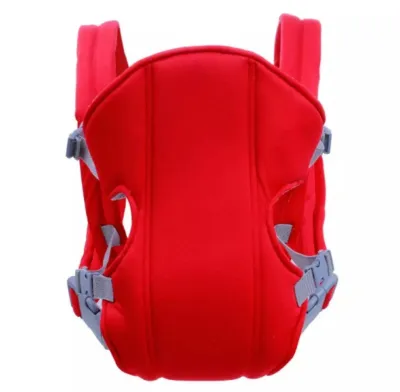

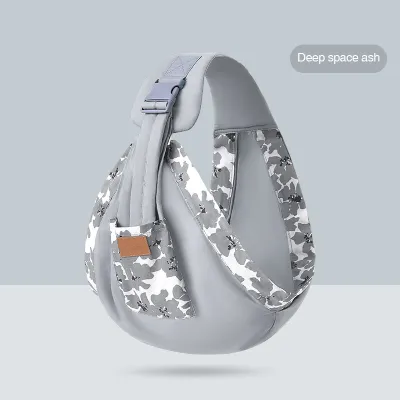
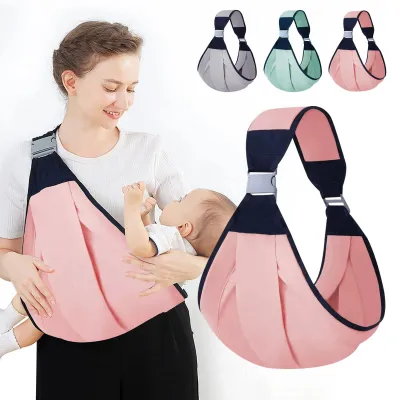
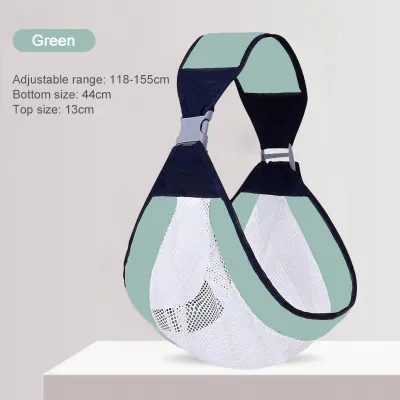
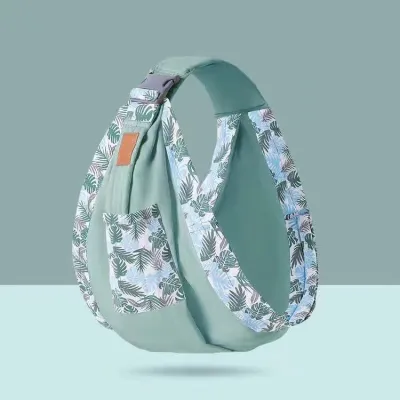
Prices are valid at publication and may change. Please refer to the product page for the latest price.
Practicing the wrapping technique before you introduce your baby is essential for building muscle memory and confidence. Choose a safe, low-risk environment for your practice sessions, such as sitting on a bed or over a cushioned sofa. You can use a weighted doll or a rolled-up towel to simulate the baby’s weight as you learn to adjust the fabric. Only attempt to wrap and position your actual newborn once you feel completely comfortable with the steps while standing up, and ideally have another adult nearby to assist you during your first few real trials.
Step-by-Step Wrapping Technique for the Caregiver
To create a stable and comfortable base for your newborn, you must first master how the fabric sits on your own body. Begin by centering the wrap on your torso according to the manufacturer’s instructions, then bring the fabric bands over your shoulders and cross them behind your back. As you do this, make sure to spread the fabric wide across your back and shoulders rather than letting it bunch up like a rope. Spreading the fabric wide distributes your baby’s weight evenly across your skeletal structure, which prevents localized shoulder and lower back strain during carrying sessions.

Once the fabric is positioned across your back, guide the ends forward to create the seat or pouch structure where your baby will rest. This pouch must be formed carefully to ensure it provides a deep, secure pocket rather than a shallow shelf. The fabric should extend from the back of your baby’s knees all the way up to their neck, creating a supportive hammock that cradles their lower body.
Achieving the correct tension is a balancing act that requires careful adjustment. The wrap must be snug enough to hold your baby firmly against your chest, preventing them from slumping down or shifting as you walk. However, it must not be so tight that it restricts your own breathing or presses too hard against your baby’s delicate ribcage. A good rule of thumb is that the wrap should feel like a supportive, snug hug; you should be able to take deep, comfortable breaths, and the fabric should not dig into your skin.
As you pull the fabric taut and tie it off, pay close attention to any twists or folds in the material. Twisted fabric can create uncomfortable pressure points against your body and can also prevent you from tightening the wrap evenly. Smooth out any bunched sections as you go, ensuring the fabric lies flat against your shoulders and torso to maintain a secure, balanced hold that will not slip or loosen over time.
Positioning Your Newborn for Airway and Hip Support
When placing your newborn into the sling, their physical positioning is the most critical safety factor. You must support the natural “M” position, also known as the spread-squat position, for your baby’s hips and legs. In this position, the baby’s knees should be slightly higher than their bottom, and their thighs should spread around your torso to support healthy joint development. This alignment keeps the hip joints in a secure socket, which is vital during the early months when their skeletal system is still highly malleable.
Airway protection is paramount when babywearing a newborn, as infants do not yet have the neck strength to lift their heads if their airway becomes compromised. Always ensure your baby’s chin is kept off their chest; there should be a gap of at least two fingers between their chin and chest to maintain an open, unobstructed airway. A helpful guideline to remember is the “close enough to kiss” rule: your baby should be positioned high enough on your chest that you can easily kiss the top of their head simply by tipping your chin down.
Your baby’s face must remain completely uncovered, visible, and free from fabric obstruction at all times. Never allow the sling’s fabric to drape over your baby’s nose or mouth, and do not press their face directly into your chest. You should always be able to look down and see your baby’s eyes, nose, and mouth clearly without having to move any fabric aside. This constant visibility allows you to monitor their breathing and responsiveness continuously.
To prevent your baby from slumping or curling into a restricted, chin-to-chest position, the carrier must provide firm, even support along their entire back. The fabric should be pulled taut enough to mimic the natural curve of their spine without forcing it straight, while preventing any lateral tilting or sagging. If your baby begins to slump down or lean to one side, immediately support them with your hands, untie or loosen the wrap, and reposition them to restore proper spinal and airway alignment.
Final Safety Checks and When to Stop
Before you begin your day or walk around, perform a quick, systematic physical check of the entire setup. Verify that the knot is secure, the fabric is flat and tight across your shoulders, and your baby is positioned high and upright. Gently press on your baby’s back to ensure they do not pull away from your body; if there is a gap, the wrap is too loose and needs to be retightened. Check that their legs are in the “M” position and their face is fully visible.
In warm and humid environments, you must actively monitor your baby for signs of overheating. Because your body heat transfers directly to your baby, and the carrier adds layers of fabric, infants can warm up very quickly. Watch for signs such as damp hair, flushed cheeks, rapid breathing, or a warm neck. If you notice any of these signs, or if your baby seems unusually fussy or lethargic, find a cool, shaded area, remove them from the carrier immediately, and allow them to cool down.
Safety must always take priority over convenience. If at any point the sling feels insecure, the fabric begins to slip through the rings, the knot loosens, or you cannot achieve a safe, upright position where your baby’s airway is completely clear, stop using the carrier immediately. Do not attempt to modify the carrier or use makeshift adjustments. Instead, consult the manufacturer’s customer support, speak with your pediatrician, or seek guidance from a certified babywearing educator to address the issue safely.
Frequently Asked Questions (FAQ)
Can I use a stretchy wrap for a newborn?
Yes, many caregivers find stretchy wraps highly comfortable for newborns due to their soft, conforming nature. However, because stretchy fabric naturally yields under weight, you must strictly follow the manufacturer’s weight limits and specific multi-layer wrapping instructions. Stretchy wraps typically require three layers of fabric over the baby to provide adequate support and prevent dangerous sagging or loosening as you move. Always monitor the wrap throughout the day to ensure the fabric has not stretched out to the point where the baby’s position has shifted downward.
How long can a newborn stay in a sling carrier at one time?
There is no universal time limit, but you should rely closely on your baby’s physical cues and prioritize regular breaks. Because newborns require frequent feeding, diaper changes, and opportunities to stretch their limbs, you should plan to take your baby out of the carrier every few hours, or sooner if they show signs of discomfort or overheating. Regularly check for any red marks on their legs or skin from fabric pressure, and follow pediatric guidelines to ensure your baby gets plenty of flat, supervised floor time to support their motor development.

Community discussion
Share your experience or ask a question. Comments are reviewed before publication.