
Wearing a baby wrap properly is one of the most rewarding ways to bond with your newborn while keeping your hands free. For parents using a stretchy wrap like the Yakap Ina baby wrap, mastering the correct tying technique is essential to ensure your little one remains safe, comfortable, and ergonomically supported. The process involves preparing the fabric, wrapping it snugly around your torso to create a secure seat, and carefully positioning your baby in an upright posture that protects their developing hips and airway.
In the tropical climate of the Philippines, babywearing requires a thoughtful approach to temperature control. High humidity and warm temperatures mean that both you and your baby can heat up quickly when held close together. By understanding how to adjust the wrap for airflow and choosing the right clothing, you can enjoy the benefits of babywearing without causing discomfort or overheating for your newborn.
Safety must always be your primary focus when learning to use a baby wrap. Newborns lack neck control and have highly vulnerable airways, making proper positioning a matter of vital importance. Before you begin, take the time to familiarize yourself with the basic mechanics of the wrap and commit to performing safety checks every single time you wear your baby.
Products mentioned in this guide
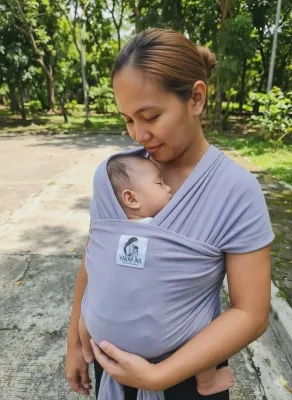
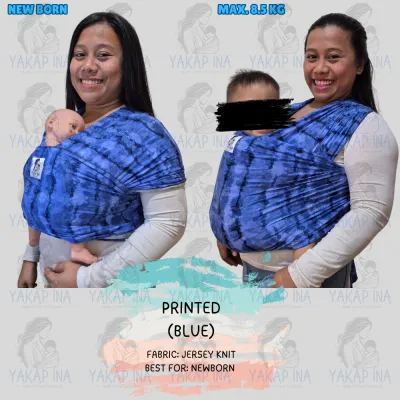
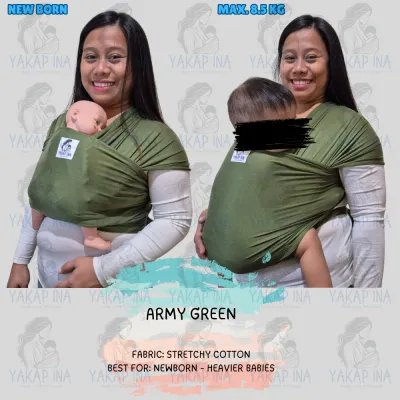
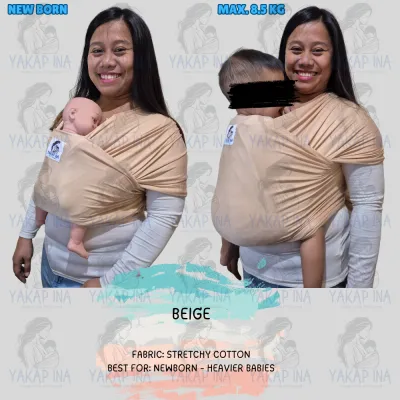
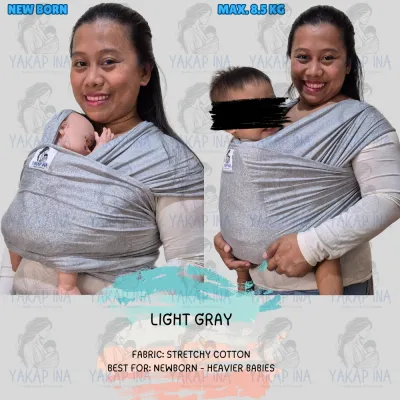
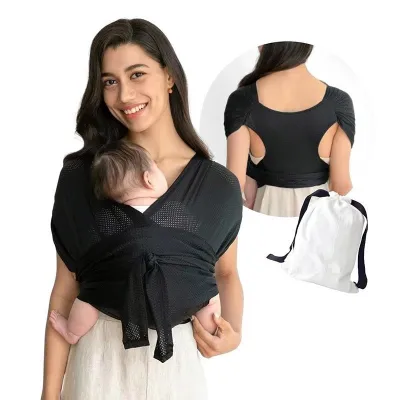
Prices are valid at publication and may change. Please refer to the product page for the latest price.
Preparing for a Safe and Comfortable Wrap
Before you begin the process of tying your wrap, ensure that all equipment and conditions are optimal for a safe carrying session. Start by laying the wrap out flat on a clean surface to inspect the fabric thoroughly. Check the entire length of the material for any signs of wear, thinning, or compromised seams. If you notice any loose threads, small holes, or frayed edges, do not use the wrap, as these can compromise the structural integrity of the carrier under your baby’s weight.
Dressing your baby appropriately for the local climate is the next crucial step. Because the wrap consists of multiple layers of fabric wrapped around your baby’s body, it functions much like extra clothing. In warm, humid environments, dress your newborn in a single layer of lightweight, breathable cotton, such as a simple short-sleeved onesie. Avoid heavy fabrics, footed sleepers that can pull tightly against their toes, or thick beanies that can trap excess heat.
Finally, always review the manufacturer’s specific weight limits, age recommendations, and safety warnings on the product label before your first use. Do not rely on general guidelines or assume suitability based on the product name alone. If your baby was born prematurely, had a low birth weight, or has respiratory or physical challenges, consult your pediatrician or a qualified healthcare professional before attempting to use any baby wrap.
Step-by-Step Guide to Tying the Yakap Ina Baby Wrap
Tying a stretchy baby wrap can feel intimidating at first, but with a little practice, the movements will quickly become second nature. Begin by locating the center marker of the wrap, which is typically a small tag or patch sewn onto the middle of the fabric. Place this center marker flat against the middle of your chest, ensuring the fabric is spread wide and flat without any bunches.

Take the two long tails of the fabric and bring them behind your back, crossing them over each other to form a clean “X” shape across your shoulder blades. Bring each tail forward over your opposite shoulder, making sure the fabric lies flat and wide across your shoulders to distribute the weight evenly. At this stage, you should have a horizontal band of fabric across your chest and two straps hanging down over your shoulders.
Gather the two shoulder straps and thread them downward under the horizontal chest band, keeping them flat against your body. Once threaded, cross the two straps in front of your torso to create a second “X” shape, which will form the supportive seat for your baby. Take the remaining fabric tails, wrap them around your waist to your back, and tie them securely with a double knot. If the fabric is exceptionally long, you can cross them at your back and bring them back to the front to tie the double knot at your hip or waist, ensuring the knot is tied away from where your baby’s legs will rest.
With the wrap securely tied to your body, you are now ready to place your newborn inside. Hold your baby securely against your shoulder, using one hand to support their head and neck at all times. Use your free hand to gently guide one of your baby’s legs through the inner strap of the crossed “X” on your chest, spreading the fabric wide so it covers their bottom and extends from the back of one knee to the back of the other knee.
Repeat this process for the other leg using the outer strap of the crossed “X,” ensuring your baby is sitting deeply in the fabric seat with their knees positioned higher than their bottom. Once both straps are spread wide from knee to knee, locate the horizontal band that you initially placed across your chest. Pull this horizontal band upward over your baby’s feet and legs, stretching it smoothly up their back until it reaches the base of their neck to provide complete, secure coverage.
Checking Standard Safety Guidelines and Newborn Positioning
Once your baby is secured in the wrap, you must immediately perform a series of standard safety checks to ensure their airway is clear and their physical development is protected. A helpful way to remember these checks is to ensure the wrap is tight, your baby is always in view, close enough to kiss, their chin is off their chest, and their back is fully supported. The wrap must be tight enough to hold your baby snugly against your chest, as any slack can cause them to slump down, which can dangerously restrict their breathing.
Your baby’s face must remain completely visible to you at all times, with no fabric covering their nose or mouth. You should be able to easily kiss the top of your baby’s head simply by tipping your head forward; if you cannot do this, the wrap is tied too low, and you must reposition them higher on your chest. Check that there is always a gap of at least two fingers between your baby’s chin and their chest to prevent positional asphyxiation, which can occur if their head falls forward.
Pay close attention to your baby’s hip positioning to support healthy joint development. Their legs should never hang straight down; instead, they must be held in an ergonomic “M” position, where their knees are spread wide and positioned higher than their bottom. This spread-squat position keeps the head of the femur securely inside the hip socket, reducing the risk of hip dysplasia.
Regularly observe your baby’s breathing patterns and facial color while they are in the wrap. If you notice any grunting, rapid breathing, or a change in their skin tone, remove them from the wrap immediately. Never cover your baby’s head with the wrap fabric to block the sun or wind, as this can trap exhaled air and limit their oxygen supply; instead, use a wide-brimmed hat on your baby or carry an umbrella for shade.
Adjusting for Caregiver Comfort and Troubleshooting Fit
If you experience physical discomfort while wearing your baby, it is usually a sign that the wrap needs a few minor adjustments. Shoulder or back pain often occurs when the fabric is bunched up or twisted across your back. To resolve this, gently pull the fabric downward and spread it wide across your shoulder blades and shoulders, which helps distribute your baby’s weight across a larger surface area on your body.
Another common issue is a wrap that feels too loose, causing your baby to sag or bounce as you walk. If you feel the need to support your baby with your hands while walking, the wrap is not tight enough. To correct this safely, do not try to pull on the fabric tails while your baby is unsupported; instead, find a safe place to sit down, support your baby’s weight fully with your arms, and carefully tighten each section of the wrap before re-tying the double knot.
If you find that you cannot achieve a secure or comfortable fit through minor adjustments, do not hesitate to start over. The safest course of action is to find a secure, flat surface, such as a bed or changing table, and gently remove your baby from the wrap. Take a moment to stretch, shake out the fabric, and tie the wrap again from the beginning, paying close attention to the tension of each layer as you pull it across your body.
Cleaning and Maintaining Your Baby Wrap
Keeping your baby wrap clean and well-maintained is essential for both hygiene and safety. Because newborns frequently drool, spit up, or chew on the fabric, regular washing is necessary to keep the material sanitary. Always refer to the care label on your specific wrap for the manufacturer’s washing instructions, as different fabric blends require specific care to maintain their elasticity.
When washing the wrap, use a mild, baby-safe detergent that is free from harsh chemicals, dyes, and perfumes to protect your newborn’s sensitive skin. Avoid using fabric softeners, bleach, or optical brighteners, as these chemical agents can break down the elastic fibers of the wrap over time, reducing its supportive qualities. Wash the wrap on a gentle cycle with cold or lukewarm water to prevent shrinkage.
In humid climates, drying the wrap thoroughly is critical to prevent the growth of mold and mildew. Line dry the wrap in a well-ventilated area out of direct sunlight, as prolonged exposure to harsh sunlight can fade the colors and weaken the fabric fibers. Once dry, inspect the entire wrap for any structural changes, and store it in a clean, dry drawer or storage bag away from moisture and pests.
Frequently Asked Questions (FAQ)
When can I start using a stretchy wrap for my newborn?
You should always check the specific manufacturer’s label on your wrap to verify the minimum weight requirement before using it with your newborn. While many stretchy wraps are designed for use from birth, premature babies, low-birth-weight babies, or those with medical conditions require special consideration. Always consult your pediatrician or a qualified healthcare professional before using any baby carrier if your baby was born early or has health concerns.
How do I know if the wrap is too tight or too loose?
A properly tensioned wrap should feel like a snug hug, holding your baby securely against your chest so they do not slump or shift when you move. If your baby’s back is curved naturally and they remain high on your chest, the tension is correct. If you can easily fit two fingers between your baby’s chin and chest, and their breathing remains steady and unobstructed, the wrap is not too tight.
Can I breastfeed while wearing the baby wrap?
You can breastfeed while using a baby wrap, but you must make safety adjustments and maintain active supervision throughout the process. To feed, carefully loosen the double knot and lower your baby slightly to chest level, ensuring you support their head and neck with your hands at all times. Once your baby has finished feeding, you must immediately return them to the upright, snug, and safe position high on your chest, re-tightening the wrap to ensure their airway is completely clear.

Community discussion
Share your experience or ask a question. Comments are reviewed before publication.