
Feeding your baby while exploring the outdoors in the Philippines requires careful planning, especially given the country’s tropical heat and high humidity. An Ankou milk container offers a convenient way to transport formula powder or breast milk, but maintaining food safety on the go depends entirely on how you prepare, pack, and clean the vessel. By establishing a strict hygiene routine and understanding how to manage temperatures during your trips, you can ensure your baby’s milk remains fresh and safe for consumption. Always prioritize your child’s health by verifying the specific model’s guidelines and consulting a healthcare professional if you have any concerns about food storage safety.
When preparing for an outdoor excursion, the container serves as your primary line of defense against environmental contaminants. However, its effectiveness relies on proper handling before you even leave the house. Because infants have developing immune systems, any bacteria introduced during the preparation phase can multiply rapidly in warm transit conditions. Taking the time to inspect, sanitize, and dry your equipment thoroughly is the first and most crucial step in ensuring a successful and safe feeding experience outdoors.
Preparing the Ankou Milk Container Before Your Trip
Before packing any milk or formula, perform a detailed physical inspection of your Ankou milk container. Examine the main body, the lid assembly, and the silicone sealing ring for any signs of wear, micro-cracks, or warping. In tropical climates, repeated exposure to heat can cause silicone gaskets to degrade or lose their elasticity over time, which compromises the airtight seal. If you notice any damage, discoloration, or persistent odors, stop using the container immediately and contact the manufacturer for replacement parts or guidance.
Products mentioned in this guide
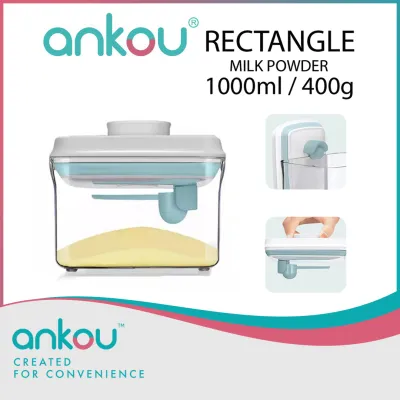
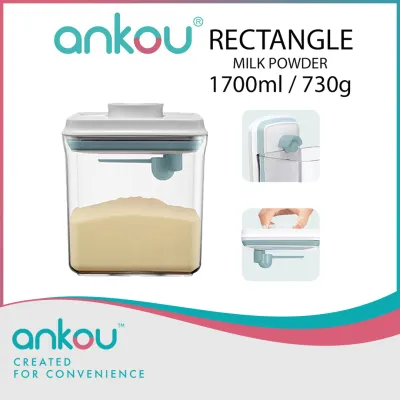
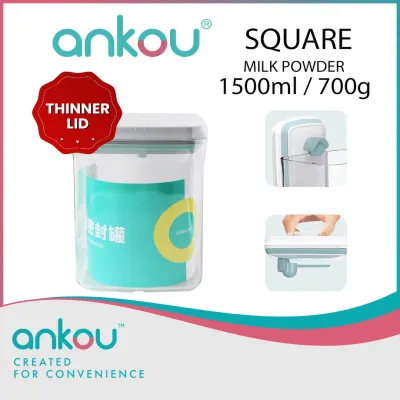
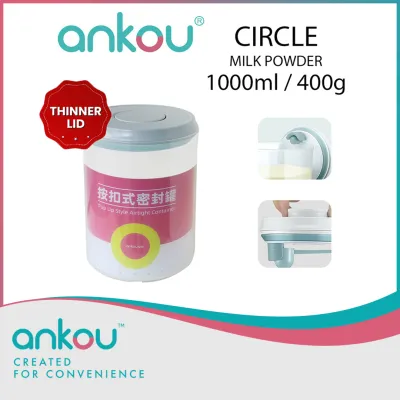
Prices are valid at publication and may change. Please refer to the product page for the latest price.
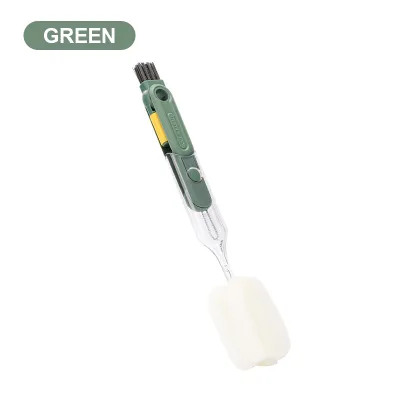
Once you confirm the container is intact, proceed with thorough washing and sterilization. Disassemble all parts completely, including the silicone ring and any removable lid components, to ensure no milk residue remains trapped in the crevices. Wash each part with mild baby-safe dishwashing liquid and warm water, using a dedicated bottle brush. For sterilization, refer strictly to the manufacturer’s instructions for your specific model, as different plastics (such as AS, PP, or PPSU) have varying temperature tolerances. Some lid mechanisms contain springs or internal parts that should not be boiled or exposed to extreme steam; always verify these limits to prevent warping.
After sterilization, drying the container completely is vital, especially in the humid Philippine climate. Residual moisture trapped inside an airtight container creates an ideal environment for mold and bacterial growth, and it can cause dry formula powder to clump and spoil. Place all disassembled parts on a clean, dedicated drying rack in a well-ventilated indoor area away from direct sunlight. Avoid using dish towels to dry the interior, as they can transfer lint or bacteria back onto the sanitized surfaces. Allow everything to air-dry completely before reassembling the container.
Storing and Transporting Milk Safely Outdoors
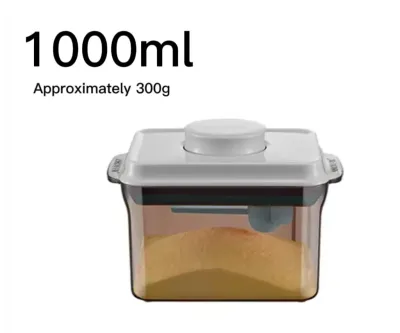
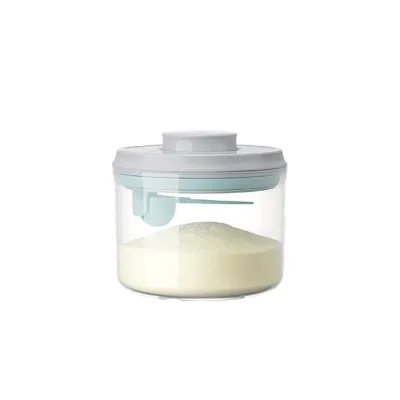
When filling the container, match your preparation method to the type of milk you are transporting. If you are storing dry formula powder, ensure your hands and the measuring scoop are completely dry before transferring the powder into the container. For liquid breast milk or pre-mixed formula, verify that your specific Ankou model is rated for liquid storage, as some designs are optimized primarily for dry goods. If storing liquids, always leave appropriate headspace at the top of the container to allow for natural expansion, especially if the milk is chilled or frozen before your journey.

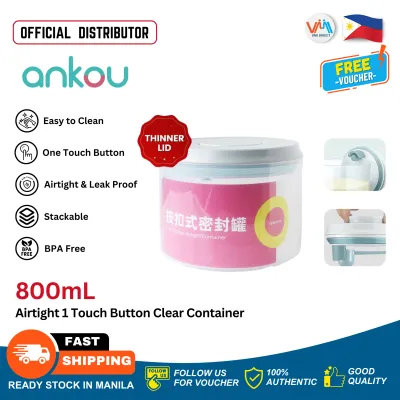
Securing the lid correctly is essential to maintain the airtight environment and prevent leaks inside your diaper bag. Ankou containers typically utilize a one-touch button mechanism to engage the seal. Press the button down firmly to expand the silicone gasket against the container walls, then give the lid a gentle upward tug to verify that it is securely locked in place. Keep the container upright during transit, and pack it in a dedicated compartment of your bag where it will not be crushed or subjected to sudden impacts that could dislodge the lid.
To protect the milk from the intense tropical heat of the Philippines, always use an insulated cooler bag equipped with frozen gel packs or ice packs. Placing the milk container directly into a warm diaper bag can cause the temperature of the milk to rise rapidly, encouraging bacterial proliferation. Keep the cooler bag zipped closed as much as possible, and store it out of direct sunlight, such as under a stroller canopy or in an air-conditioned vehicle. For safe storage durations of breast milk or prepared formula under various temperature conditions, consult pediatric guidelines or official recommendations from local health authorities.
Feeding Your Baby on the Go
When it is time to feed your baby, establish a clean preparation area to minimize the risk of contamination. Outdoor environments like parks, shopping malls, or public transport expose your hands to numerous high-touch surfaces. Wash your hands thoroughly with soap and clean water for at least twenty seconds before handling the feeding equipment. If running water is unavailable, use a baby-safe hand sanitizer or sanitizing wipes, allowing your hands to dry completely before touching the container lid or the baby’s bottle.
Carefully open the container and dispense only the amount of milk or formula powder your baby is likely to consume during that specific feeding session. If you are using formula powder, scoop it out gently to avoid spilling, and close the container lid immediately afterward to prevent humid outdoor air from entering. Introducing moisture to the remaining powder can compromise its shelf life and safety. If you are pouring liquid milk, transfer it directly into a sterilized feeding bottle, ensuring the rim of the container does not come into contact with any unsterilized surfaces.
Once the feeding session is complete, handle any leftovers with strict adherence to pediatric safety standards. Any milk or formula that has been in contact with your baby’s mouth will contain saliva, which introduces bacteria that grow quickly at room temperature. Never save leftover milk from a partially consumed bottle for a later feeding; discard it immediately. If you have prepared liquid milk that has sat at room temperature but has not been fed to the baby, consult standard pediatric guidelines to determine if it is still safe to use or if it must be discarded.
Cleaning and Maintaining the Container After Use
Maintaining hygiene does not stop once the feeding is over; immediate post-feed care is essential for long-term container maintenance. If you are still outdoors and cannot perform a full wash, rinse the empty container and lid thoroughly with clean, potable water as soon as possible. This simple step prevents milk proteins and fats from drying and hardening inside the corners or around the silicone seal, making the eventual deep cleaning much easier and reducing the risk of persistent odors.
Once you return home, perform a comprehensive deep cleaning of the container. Disassemble all parts, paying close attention to the silicone gasket and the underside of the lid where residue can accumulate. Wash all components in warm, soapy water using a soft-bristled bottle brush that will not scratch the plastic surfaces. Avoid using abrasive scrubbing pads or harsh chemical cleaners, as scratches can harbor bacteria and degrade the material over time. Check the manufacturer’s instructions to verify if the parts are safe for top-rack dishwasher use.
After washing, place all disassembled parts on a clean drying rack to air-dry completely. Ensure the silicone ring is fully dry before reinserting it into the lid groove, as trapping moisture behind the seal can lead to mold development. Store the container disassembled or with the lid loosely placed on top in a cool, dry cupboard away from household pests and direct heat sources. Regularly check the manufacturer’s website or official channels to verify any updated care instructions, safety standards, or product recalls for your specific model.
Frequently Asked Questions (FAQ)
Can I store both breast milk and formula in the same Ankou container?
Yes, you can use the container for both breast milk and formula, provided you verify that your specific model’s materials are rated for both dry and liquid storage. Always check the product packaging or manual to confirm that the container is made of food-grade, BPA-free materials suitable for infant feeding. To prevent cross-contamination and maintain strict hygiene, you must thoroughly wash, sterilize, and completely dry the container and all its parts before switching between breast milk and formula. Never mix breast milk and formula together in the same storage container.
How long can milk stay safe in the container during a day trip?
The safe duration for storing milk during a day trip depends heavily on the ambient temperature and the cooling methods you use. In the warm and humid climate of the Philippines, milk left at room temperature can spoil very quickly. To ensure safety, always transport liquid milk or prepared formula in an insulated cooler bag with sufficient ice packs to keep the temperature low. Because storage times vary significantly between breast milk, freshly mixed formula, and dry powder, you should consult pediatric guidelines, your pediatrician, or the manufacturer’s manual for exact safe storage limits under different temperature conditions.

Community discussion
Share your experience or ask a question. Comments are reviewed before publication.