
Using a NoseFrida-style mouth-suction nasal aspirator is one of the most effective ways to clear a baby’s congested nose. Unlike traditional bulb syringes, a mouth-suction aspirator allows you to control the suction force continuously using your own breath. To use it properly, you first apply a few saline drops to loosen the mucus, place the nozzle gently against the baby’s nostril to form a seal, and then suck through the mouthpiece. This gentle technique helps clear the airway without inserting anything deep into the baby’s sensitive nasal passages.
In tropical environments like the Philippines, infants frequently experience nasal congestion due to sudden temperature changes between humid outdoor air and air-conditioned indoor spaces. Because babies are obligate nose breathers, even a small amount of mucus can make feeding and sleeping a challenge. Understanding how to use this tool safely ensures your baby remains comfortable and healthy.
When to Use a Nasal Aspirator and Safety Boundaries
Nasal suctioning should be reserved for times when congestion actively interferes with your baby’s daily routines. The most common indicators include difficulty latching during breastfeeding, struggling to drink from a bottle, or waking up frequently due to noisy, labored breathing. If your baby is happy, active, and feeding well despite a slightly noisy nose, suctioning may not be necessary.
Products mentioned in this guide
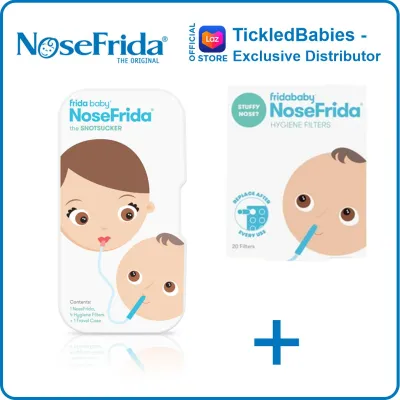
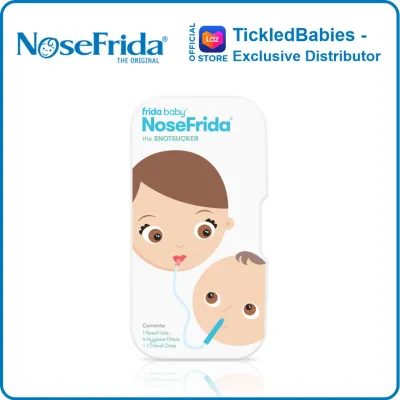
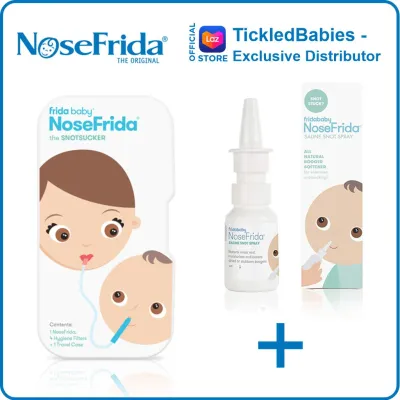
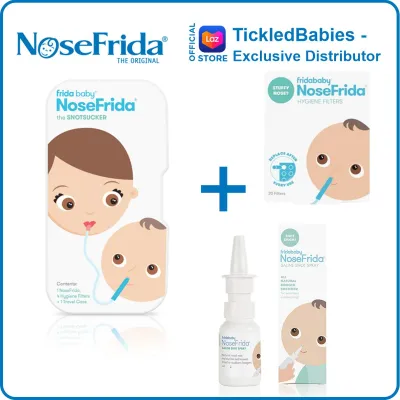
Prices are valid at publication and may change. Please refer to the product page for the latest price.
It is vital to establish strict frequency limits to protect your baby’s nasal health. Over-suctioning can irritate and inflame the delicate mucous membranes inside the nose, which actually triggers more mucus production and worsens congestion. Always check the manufacturer’s guidelines on the product packaging for recommended daily usage limits, and consult your pediatrician to create a safe plan.
Before using a mouth-suction aspirator, verify the manufacturer’s age, weight, and health condition recommendations. Some devices are optimized for infants of a certain age, while others may require specific adjustments for smaller babies. If your infant has any pre-existing respiratory conditions or structural nasal issues, seek professional medical advice before introducing a suction device.
What You Need Before Starting
Preparation is key to a smooth and stress-free suctioning session for both you and your baby. Before you begin, gather all necessary items so you do not have to leave your baby unattended. You will need the mouth-suction aspirator device, a fresh hygiene filter, infant saline drops or spray, and a soft tissue or cloth.

Always verify that the internal hygiene filter is correctly installed according to the manufacturer’s instructions. This filter is a critical safety component that prevents mucus, moisture, and bacteria from traveling up the tube. Using the device without a properly fitted filter compromises hygiene and can affect the suction pressure.
Infant saline drops or spray are essential for softening dry or thick mucus. Attempting to suction dry nasal passages can cause pain, irritation, and even minor bleeding. Saline helps lubricate the nasal lining, making the extraction process much gentler and more efficient.
Set up a clean, flat surface, such as a changing table or a firm mattress, where you can safely lay your baby down. Because babies naturally wiggle or resist having their noses touched, plan how to secure them. Swaddling your baby snugly in a light cotton blanket is an excellent way to keep their arms secure and minimize sudden movements during the process.
Step-by-Step Technique for Gentle Suction
Start by positioning your baby safely on their back on your prepared flat surface. You can support their head slightly with your non-dominant hand or place a small, rolled-up receiving blanket under their shoulders to keep their head in a neutral, slightly elevated position. Ensure the room is well-lit so you can clearly see the baby’s nostrils.
Apply the infant saline drops into each nostril as directed by the product label or your pediatrician. Typically, one to two drops per nostril are sufficient to moisten the nasal passages. After applying the drops, wait briefly—about 10 to 30 seconds—to allow the saline to thoroughly loosen and liquefy the mucus before you begin suctioning.
Place the red mouthpiece of the aspirator into your mouth, holding the blue nozzle tube with your dominant hand. Gently place the large nozzle tip against the outside of your baby’s nostril to form a complete seal. It is crucial to avoid inserting the nozzle deep into the nasal cavity; the tip is designed to sit comfortably at the opening of the nostril, not inside it.
Apply steady, gentle suction through the mouthpiece. Start with a very light draw and gradually adjust the pressure based on your baby’s comfort level and the thickness of the mucus. You do not need to suck with extreme force; a gentle, continuous breath is highly effective and prevents sudden pressure changes that could startle or hurt your baby.
Once you have cleared the first nostril, switch to the other side and repeat the same gentle sealing and suctioning process. After completing both sides, immediately comfort your baby by holding them upright or offering a feed. Use a soft, damp cloth or tissue to gently wipe away any remaining saline or mucus from around their nostrils to prevent skin chafing.
Cleaning and Maintaining the Aspirator
Proper hygiene and maintenance are essential to prevent bacterial growth and ensure the aspirator remains safe for future use. Immediately after each suctioning session, completely disassemble the device according to the specific manufacturer’s instructions. This usually involves separating the nozzle, the hygiene chamber, the long tubing, and the mouthpiece.
Dispose of the internal hygiene filter right away. These filters are strictly single-use items designed to trap bacteria and moisture. Never attempt to wash, dry, or reuse a disposable filter, as doing so compromises its filtration capability and can expose you or your baby to pathogens during subsequent uses.
Wash all reusable parts, including the nozzle and mouthpiece, with warm, soapy water. Run warm water through the long, thin tubing to flush out any condensation or stray particles. Rinse all components thoroughly under clean running water to remove any soap residue, which could irritate your baby’s airway next time.
Allow all parts to air-dry completely on a clean, dry towel before reassembling the device. Storing the aspirator while it is still damp can encourage mold and mildew to grow inside the tubing. Before each use, inspect the tubing, mouthpiece, and nozzle for any signs of wear, tears, or lingering moisture, and replace any damaged parts immediately.
When to Stop and Seek Pediatric Advice
While nasal suctioning is a helpful home care technique, you must know when to stop to protect your baby’s safety. Stop the procedure immediately if you observe any bleeding from the nose, extreme distress, or visible swelling and irritation around the nostrils. Forcing the procedure when the nasal lining is already inflamed can lead to further injury.
It is critical to distinguish between simple nasal congestion and severe respiratory distress. If you observe signs of respiratory distress, do not attempt to suction the nose; instead, seek urgent medical care. These signs include flaring nostrils, chest retractions (where the skin pulls in sharply between or under the ribs), grunting sounds, or rapid, shallow breathing.
Consult your pediatrician if your baby’s congestion persists for more than a few days without improvement, or if it is accompanied by a high fever. Additionally, if your baby is refusing to feed entirely, shows signs of lethargy, or seems unable to settle even after you have cleared their airway, professional medical evaluation is required to identify the underlying cause.
Frequently Asked Questions (FAQ)
Can I use a mouth-suction aspirator on a newborn?
Always check the specific age and weight limits printed on the product packaging before using a mouth-suction aspirator on a newborn. A newborn’s nasal passages are exceptionally delicate, narrow, and easily irritated. It is highly recommended to consult your pediatrician before using any suction device on a newborn to ensure it is safe for their specific developmental stage and health status.
Is it possible to suck mucus into my mouth?
No, when the device is assembled and used correctly, it is physically impossible to suck mucus into your mouth. The built-in hygiene filter acts as a secure barrier that traps all mucus, moisture, and bacteria inside the chamber before it can enter the long tubing. To maintain this protection, always verify that the filter is properly seated before starting, and replace it with a fresh one after every single use.

Community discussion
Share your experience or ask a question. Comments are reviewed before publication.