
A congested toddler can quickly become distressed, struggling to sleep, eat, or breathe comfortably. Because young children cannot clear their own nasal passages, parents often rely on suction devices to provide relief. However, a toddler’s nasal cavity is lined with highly sensitive, vascularized mucous membranes that can easily swell or bleed if handled roughly. Using a nose suction for toddler care requires a gentle, deliberate technique to ensure you clear the airway effectively without causing physical irritation or emotional distress.
When to Use a Nose Suction Device on a Toddler
Nasal suction is a highly effective intervention, but it should not be treated as a routine or preventative measure. The primary goal of suctioning is to restore comfortable breathing when a toddler is experiencing significant physical obstruction. Look for clear signs of distress, such as labored breathing through the mouth, persistent snoring or gasping during sleep, and difficulty sucking or swallowing during meals. In tropical climates like the Philippines, sudden shifts from warm, humid outdoor air to dry, air-conditioned indoor spaces can trigger nasal congestion in toddlers, making it important to monitor their breathing patterns closely.
Distinguishing between mild sniffles and true congestion is key to protecting your child’s delicate nasal lining. Mild, clear drainage is actually a sign that the body is naturally clearing out dust, allergens, or viral particles. Suctioning this thin, flowing mucus is unnecessary and can trigger a localized inflammatory response, making the nose feel more congested than before. Save the suction device for thick, stubborn blockages that visibly pool at the opening of the nostrils or cause the toddler to struggle for air.
Products mentioned in this guide
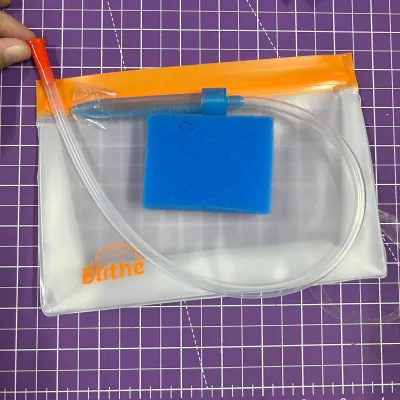
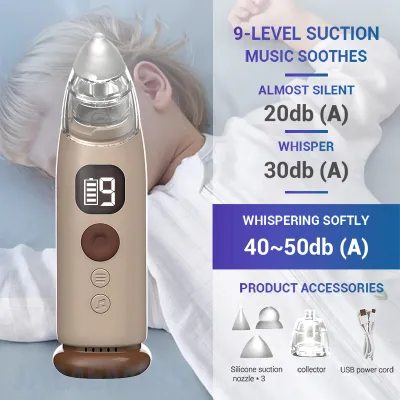
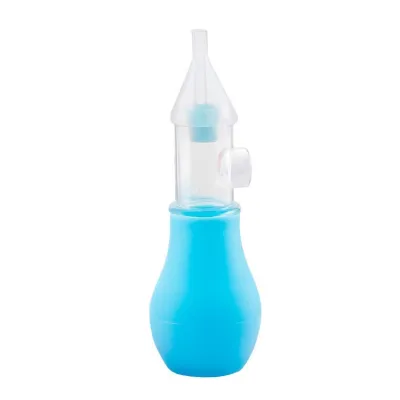
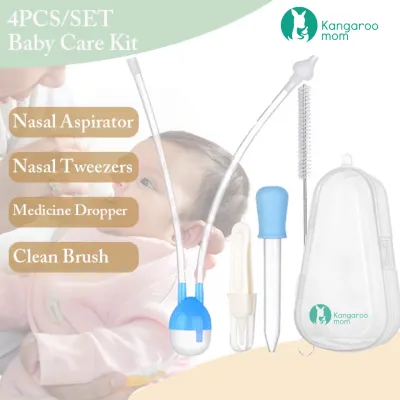
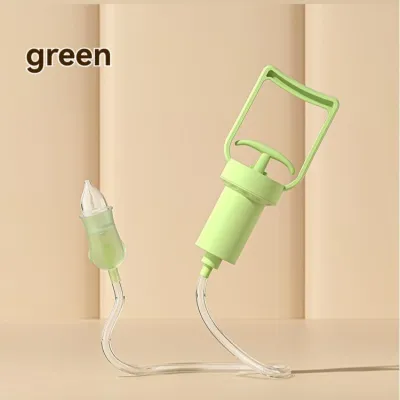
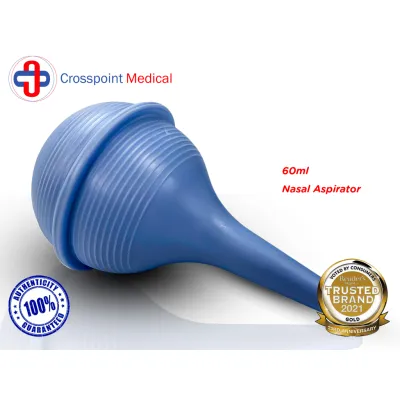
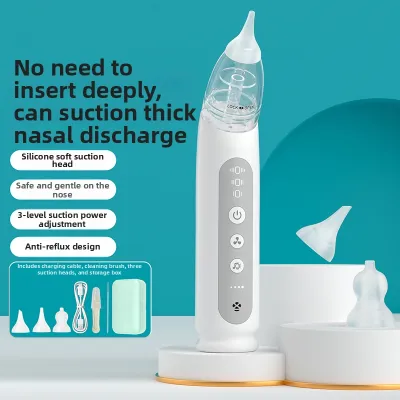
Prices are valid at publication and may change. Please refer to the product page for the latest price.
There are specific situations where you must avoid suctioning entirely. If the toddler’s nasal passages are dry, cracked, or showing signs of crusting, inserting a suction tip will cause immediate friction, micro-tears, and potential bleeding. Additionally, if the toddler has a known history of frequent nosebleeds or anatomical sensitivities, consult your pediatrician before introducing any suction tools. Never force a suction tip into an irritated nose, as mechanical trauma will only worsen the swelling.
Essential Tools and Preparation for a Gentle Session
Before you begin, it is vital to select the right tool and verify its suitability for your child’s developmental stage. Nasal aspirators generally fall into three categories: traditional bulb syringes, manual oral suction tubes, and electric nasal aspirators. Bulb syringes are highly common and affordable, though they offer limited pressure control and can be difficult to clean internally. Manual oral aspirators allow you to control the suction pressure using your own breath through a mouthpiece, while electric aspirators provide a steady, regulated draw. Manual oral aspirators typically range from ₱200 to ₱600, while electric models might cost between ₱1,000 and ₱3,000 or more at local pharmacies and baby boutiques. Regardless of the type, always consult the manufacturer’s documentation to verify the age rating, weight or size guidelines, safety warnings, and proper method of use.

A successful suctioning session relies heavily on softening the mucus beforehand. Standard sterile saline drops or saline sprays (typically a 0.9% sodium chloride solution) are essential for this step. Saline works by breaking down the physical bonds in thick, sticky mucus, making it thin enough to be drawn out easily. Never attempt to suction a toddler’s nose without applying saline first, as dry suctioning is one of the most common causes of mucosal swelling and pain.
Preparation also involves gathering your physical supplies and preparing your toddler’s environment. Keep clean, soft tissues, the saline solution, and the fully assembled suction device within arm’s reach. Because toddlers naturally resist having their faces touched, prepare a distraction tool, such as a favorite musical toy, an engaging book, or a family member who can sing or talk to the child. Minimizing sudden movements is crucial to preventing accidental scrapes inside the nostril. Ensure you are working in a well-lit area so you can clearly see the nasal opening.
Step-by-Step Guide to Safe and Gentle Nasal Suction
To ensure a safe and irritation-free experience, follow this structured sequence carefully. If your specific device’s instructions conflict with general guidelines, always defer to the manufacturer’s manual or consult a healthcare professional.
Step 1: Secure and Comfortable Positioning Positioning is the foundation of safety during this procedure. Sit on a comfortable surface and place your toddler on your lap, facing outward, while gently securing their arms with your non-dominant arm. Alternatively, lay the toddler on their back on a flat, padded surface like a changing table, using a small rolled towel under their shoulders to elevate the head slightly. This slight elevation prevents the saline from running straight down the back of their throat, which can cause coughing or gagging. Ensure you have a firm but gentle hold to prevent any sudden head jerks while the suction tip is in use.
Step 2: Soften the Mucus Gently tilt your toddler’s head back slightly. Administer one to two drops of sterile baby saline solution into each nostril, taking care not to let the dropper tip touch the inside of the nose to maintain sterility. Allow your toddler to remain in this position for approximately one to two minutes. This waiting period is critical, as it gives the saline time to thoroughly saturate and loosen the hardened or thick mucus deposits deeper in the nasal passages.
Step 3: Correct Tip Placement Pick up your suction device and carefully position the tip at the opening of one nostril. The tip should only be inserted slightly—never push it deep into the nasal cavity. A crucial anatomical tip is to aim the nozzle slightly outward, pointing toward the outer corner of the toddler’s eye or ear on that same side, rather than straight up or toward the center nasal septum. The nasal septum (the middle wall of the nose) is highly sensitive and contains a dense network of fragile blood vessels; avoiding contact with this area dramatically reduces the risk of pain and nosebleeds.
Step 4: Apply Gentle Suction Initiate the suction smoothly and gradually. If you are using a manual bulb syringe, ensure you have squeezed the bulb before inserting the tip, then slowly release your thumb to draw the mucus out. For manual oral aspirators, place the mouthpiece in your mouth and inhale with a gentle, steady breath. If using an electric aspirator, start on the lowest suction setting, letting the machine draw the mucus without pressing the tip firmly against the nasal tissue. Let the suction work for only two to three seconds per pass.
Step 5: Clear and Repeat Remove the device from the nostril and immediately wipe the tip clean with a fresh tissue or rinse it quickly under warm water. If the nostril is still visibly blocked, you may perform one more gentle pass, but limit the entire session to a maximum of two passes per nostril. Once finished, repeat the process on the other side. If the mucus remains stubborn, do not increase suction pressure; instead, wait a few hours, apply saline again, and try later.
Common Mistakes That Cause Irritation and When to Stop
Understanding what to avoid is just as important as knowing the correct steps. The most frequent error parents make is over-suctioning. Performing this procedure too many times throughout the day strips the nasal passages of their natural moisture, leading to rebound swelling. When the nasal lining becomes inflamed from mechanical irritation, it actually produces more mucus to protect itself, creating a frustrating cycle of chronic congestion. Limit suctioning to essential times, such as right before bedtime or prior to feeding, and avoid doing it more than three times a day.
Suctioning a dry nose is another common mistake that leads to physical injury. Without the lubricating barrier of saline, plastic or silicone tips cause high friction against the delicate mucosal tissue. This friction can result in micro-tears, which not only cause pain but also serve as entry points for localized bacterial infections. Always verify that the nasal cavity is well-lubricated with saline before initiating any suction.
Using excessive physical force or inserting the tip too deeply can damage the nasal turbinates, which are delicate structures inside the nose that warm and filter air. Pushing a rigid tip deep into the nasal cavity can cause immediate trauma, severe pain, and bleeding. Keep the tip strictly at the entrance of the nostril; the suction pressure is designed to pull mucus down from the higher passages without requiring deep physical insertion.
Parents must know when to stop the procedure immediately. Cease all suctioning if you notice any pink-tinged mucus, active bleeding, or if your toddler exhibits extreme distress, panic, or breath-holding. If the congestion does not improve after three to four days of gentle care, or if it is accompanied by a high fever, a persistent cough, or difficulty breathing that is not relieved by suctioning, stop using the device and consult a pediatrician or qualified healthcare professional immediately.
Post-Suction Care for Your Toddler and the Device
After a suctioning session, focus on soothing your toddler’s skin and maintaining hygiene. Use a soft, clean washcloth dampened with warm water to gently wipe away any stray mucus or saline residue from the outer nose and upper lip. Avoid applying harsh, scented lotions or petroleum jelly inside the nasal cavity, as inhaling these substances can be harmful to a toddler’s developing lungs. If the skin around the nostrils appears red or chafed due to frequent wiping, consult your pediatrician or pharmacist for a safe, baby-friendly barrier cream or moisturizer suitable for external use.
Maintaining strict hygiene for your suction device is non-negotiable to prevent the growth of harmful bacteria, yeast, or mold. Immediately after each use, disassemble the device completely according to the manufacturer’s instructions. Separate the silicone tips, collection chambers, valves, or bulbs so that no moisture remains trapped in hidden crevices.
Wash all removable, non-electric parts thoroughly in warm, soapy water using a mild dish soap. Rinse each component under running water to remove all soap residue. Shake off excess water and place the parts on a clean paper towel or a dedicated drying rack in a well-ventilated area, allowing them to air-dry completely before reassembling or storing them. If your device utilizes disposable filters or single-use tips, always discard them immediately after a single session and replace them as directed by the manufacturer. Before purchasing, verify that the device meets current safety standards and check for any manufacturer recalls.
Frequently Asked Questions (FAQ)
How often can I suction my toddler's nose?
You should generally limit nasal suctioning to two or three times a day. The most effective times to perform suction are right before your toddler’s main meals and before they go to sleep, as this directly helps them eat and rest comfortably. Suctioning more frequently can irritate the delicate nasal lining, causing increased swelling and mucus production that worsens congestion over time.
Can I use a nose suction device while my toddler is sleeping?
While it may be tempting to suction a sleeping toddler’s nose to avoid a physical struggle, doing so carries significant risks and is generally not recommended. A sleeping child can easily startle or jerk their head suddenly when the suction tip is inserted, which can cause painful scrapes or bleeding inside the nasal passage. It is much safer to perform the procedure while your toddler is awake, fully supervised, and gently secured in a controlled position.

Community discussion
Share your experience or ask a question. Comments are reviewed before publication.