
A congested baby can turn feeding and sleeping into a stressful challenge. Because infants breathe primarily through their noses and cannot blow them, a nasal aspirator is a vital tool for clearing blockages. However, the delicate lining of a baby’s nasal passages requires a gentle, precise approach to avoid irritation, dryness, or tissue damage. This guide provides a safe, step-by-step technique to effectively clear your baby’s nose while keeping them calm and comfortable.
By mastering the correct technique, you can help your little one breathe easier without causing unnecessary distress. Understanding when to use these tools and how to maintain them is just as important as the suctioning process itself.
Recognizing When Your Baby Needs Nasal Clearance
Babies naturally have very narrow nasal passages, which can make their breathing sound noisy, snorty, or squeaky even when they are perfectly healthy. This normal ‘newborn snuffle’ is often just the sound of air passing through tiny spaces and does not necessarily mean they are congested or require suctioning.
Products mentioned in this guide
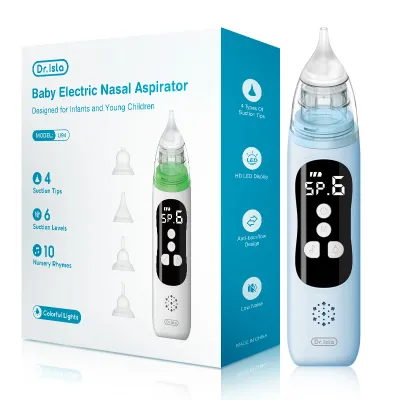
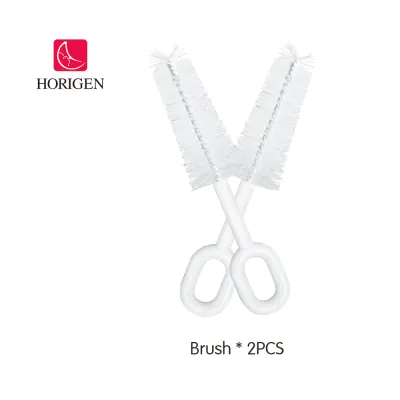
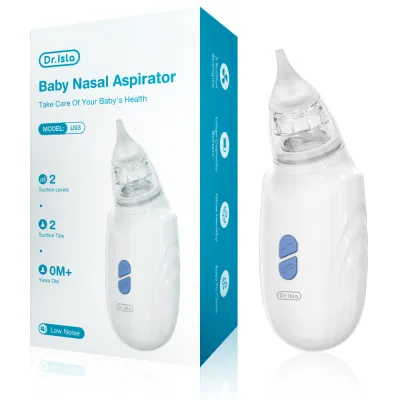

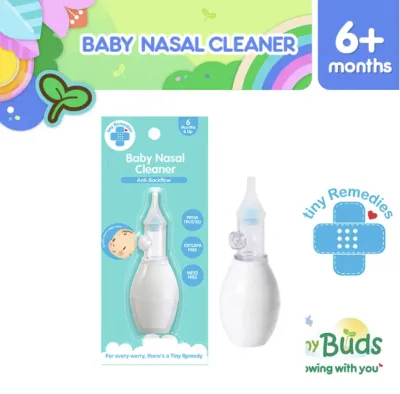
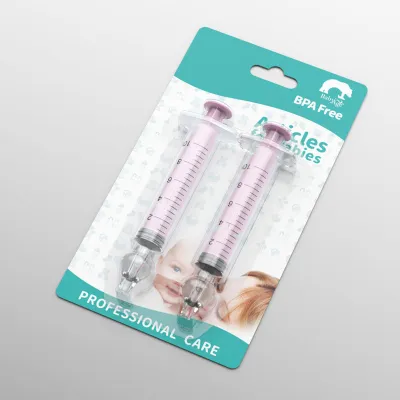
Prices are valid at publication and may change. Please refer to the product page for the latest price.
True nasal congestion presents with clear, observable signs. Watch for flared nostrils, where the sides of the nose expand outward with each breath, indicating that the baby is working harder to draw in air. You might also notice visible mucus at the opening of the nostrils, persistent fussiness during feeding because they cannot breathe while sucking, or frequent waking during sleep.
Before reaching for an aspirator, evaluate whether the congestion is actually impacting your baby’s well-being. If your baby is active, feeding well, and sleeping peacefully despite some noisy breathing, it is usually best to let the congestion resolve naturally. The ideal times to use an aspirator are right before a feeding session or before putting your baby down to sleep, helping them suckle comfortably and rest deeply.
Preparing for a Safe and Comfortable Session
Preparation is key to a smooth, stress-free experience. Start by gathering all your essential supplies so you do not have to leave your baby unattended. You will need your chosen nasal aspirator—whether it is a classic rubber bulb syringe, a manual oral suction tube, or a gentle electric nasal aspirator. You will also need sterile saline drops or a gentle saline spray formulated specifically for infants, along with a few soft tissues or a clean, damp washcloth.

Before every single use, inspect the aspirator thoroughly. Check that all parts are clean, completely dry, and free from any signs of mold, dust, or wear. If you are using a manual oral suction device, ensure the filter is properly positioned to prevent any mucus or bacteria from passing through. For electric models, verify that the batteries are functioning or the device is sufficiently charged so that the suction remains steady.
Positioning your baby securely is vital to prevent sudden movements that could lead to nasal injury. Lay your baby flat on their back on a firm, comfortable surface, such as a changing table or a bed. Gently elevate their head slightly by placing a rolled-up receiving blanket under their shoulders and head—never place a pillow directly under an infant’s head. Alternatively, you can sit comfortably and hold your baby securely on your lap, cradling their head in the crook of your arm to keep it stable.
Step-by-Step Technique for Using a Nasal Aspirator
Step 1: Apply Saline Drops to Loosen Mucus. Thick, dried, or sticky mucus is incredibly difficult to extract, and attempting to suction it dry will only irritate the delicate nasal lining. Begin by placing one to two drops of sterile infant saline into each nostril. Keep your baby’s head tilted back slightly for about one to two minutes to allow the saline to flow into the nasal passages, softening and loosening the blockages. You may notice your baby sneeze, which is a natural and helpful response that often brings the mucus closer to the front of the nose.
Step 2: Insert the Aspirator Tip Correctly. Hold the aspirator gently but securely. If you are using a bulb syringe, squeeze the air out of the bulb before placing it near the nose. Carefully insert the soft, silicone tip of the aspirator into the opening of one nostril. It is crucial to respect the design limits of your device: never push the tip deep into the nasal cavity. The tip should only create a gentle seal at the very entrance of the nostril. Point the tip slightly outward toward the side of the nose rather than straight up or toward the nasal septum, as the septum is highly sensitive and prone to bleeding.
Step 3: Apply Gentle, Controlled Suction. Once the tip is positioned and a seal is formed, initiate the suction. If using a bulb syringe, slowly and smoothly release your thumb to let the bulb expand, drawing the mucus into the chamber. If using a manual oral suction tube, place the mouthpiece in your mouth and inhale with a gentle, steady breath; you can easily control the intensity of the suction this way. For electric aspirators, turn on the device at its lowest setting and apply suction in short, controlled bursts of two to three seconds. Always monitor your baby’s immediate reaction and adjust your technique if they show signs of intense discomfort.
Step 4: Remove the Tip and Clean the Area. Gently withdraw the aspirator tip from the nostril. If you are using a bulb syringe, squeeze the collected mucus out onto a clean tissue before proceeding to the other nostril. Use a soft, damp washcloth or a baby-safe tissue to gently wipe away any remaining mucus or saline from around the outside of your baby’s nose. Avoid rubbing the skin repeatedly, as this can cause painful chafing and redness, especially in humid or air-conditioned environments.
Preventing Irritation and Minimizing Discomfort
To keep your baby’s nasal passages healthy, you must manage how often you use the aspirator. Over-suctioning is a common mistake that can lead to rebound swelling, making your baby feel even more congested than before. As a general rule, limit suctioning to no more than three to four times a day, or as specifically advised by your pediatrician. Rely on the product manual’s guidelines for daily usage limits, and try to space out the sessions so your baby’s nasal tissues have ample time to recover.
Always use the minimum effective suction strength required to clear the airway. High suction levels do not necessarily clear mucus faster; instead, they pull forcefully on the delicate mucosal lining, causing inflammation and micro-tears. If you find that the lowest setting or a gentle squeeze is not working, do not increase the force immediately. Instead, reapply saline drops to further soften the blockage before trying again with the same gentle pressure.
Keeping your baby calm during the process is essential for safety. A squirming baby increases the risk of the aspirator tip scraping the inside of the nose. Try swaddling your baby snugly in a light cotton blanket to keep their arms secure. You can also sing softly, talk to them in a soothing voice, or have a partner hold a colorful toy to distract them. If your baby becomes highly agitated, cries intensely, or fights against the device, pause the session immediately. Comfort your baby first and try again only when they have calmed down.
Be vigilant for early signs of nasal irritation. If you notice minor streaks of blood in the mucus, increased redness around the nostrils, or if your baby flinches away in pain even before suction is applied, these are clear indicators that the nasal tissues are irritated. Stop using the aspirator immediately and allow the nasal passages to rest. You can support their breathing in the meantime by using a cool-mist humidifier in their room to keep the air moist.
Cleaning and Storing the Aspirator Properly
A nasal aspirator must be kept meticulously clean to prevent it from becoming a breeding ground for bacteria, mold, and viruses. After every single use, disassemble the device completely according to the manufacturer’s instructions. For bulb syringes, this may involve pulling the tip off the bulb or flushing it repeatedly with warm, soapy water. For manual and electric aspirators, separate the silicone tips, collection chambers, and any valves or tubes.
Wash all reusable parts thoroughly in warm, soapy water, using a small cleaning brush if one was provided with your device. If the manufacturer’s instructions explicitly state that the materials are heat-resistant and sterilizer-safe, you can sterilize the silicone tips and plastic chambers using boiling water or a steam sterilizer. However, never expose electronic components or delicate tubing to high heat or water immersion.
Allow all components to air-dry completely on a clean paper towel or a drying rack in a well-ventilated area. Moisture trapped inside a bulb syringe or a closed chamber can quickly lead to mold growth, which poses a serious health risk to your baby if reused. Once every part is bone-dry, reassemble the device and store it in a clean, dust-free container or a dedicated storage pouch, keeping it out of reach of children and pets until it is needed again.
When to Stop and Seek Professional Medical Advice
While home nasal clearance is generally safe when done correctly, there are clear boundaries where home care must stop. If your baby shows signs of severe distress, such as crying inconsolably, turning pale, or resisting intensely, stop suctioning immediately. You must also halt the process if you observe any active nasal bleeding or if multiple gentle suctioning attempts fail to bring any relief.
It is critical to recognize the warning signs of respiratory distress, which require urgent medical evaluation rather than home suctioning. Watch for chest retractions, where the skin sucks in tightly around the ribs or at the base of the neck when the baby breathes. Other red flags include rapid, labored breathing, a grunting sound with every exhale, or a bluish tint around the lips, tongue, or fingernails. If you observe any of these signs, seek emergency medical care immediately.
Additionally, consult your pediatrician if your baby’s congestion persists for more than a few days without improvement, is accompanied by a fever, or if the congestion is so severe that your baby consistently refuses to feed or shows signs of dehydration, such as fewer wet diapers. Always trust your parental instincts; if something feels off, it is always safest to have your baby evaluated by a qualified healthcare professional.
Frequently Asked Questions (FAQ)
Can I use a nasal aspirator on a newborn?
Yes, but you must exercise extreme caution and strictly verify the manufacturer’s age, weight, and size specifications before use. Always choose an aspirator with a soft, flexible silicone tip designed specifically for newborns to prevent injury to their tiny nasal passages. For premature infants or very young babies under one month old, it is highly recommended to consult your pediatrician before using any nasal clearance device to ensure it is safe for their developmental stage.
How many times a day is it safe to suction a baby's nose?
To protect your baby’s delicate nasal lining, limit suctioning to key times, such as right before feedings or before bedtime, and try not to exceed three to four times a day. Always refer to the product label and follow your pediatrician’s specific advice. If you notice signs of tissue irritation, redness, or minor bleeding, stop suctioning immediately and give the nasal passages time to heal.
What should I do if the mucus is too thick to extract?
If the mucus is stubborn and thick, do not attempt to use stronger suction or insert the tip deeper, as this can cause severe irritation or injury. Instead, apply another round of sterile saline drops and wait a few minutes for them to work. You can also bring your baby into a warm, steamy bathroom while you run a hot shower, allowing the gentle steam to naturally loosen the congestion. Strictly avoid inserting cotton swabs, rolled tissues, or any hard objects into your baby’s nostrils to clear mucus.

Community discussion
Share your experience or ask a question. Comments are reviewed before publication.