
Newborns are obligate nasal breathers, meaning they naturally breathe through their noses during their first few months of life. When congestion strikes, whether due to environmental dust, changes in weather, or mild viral infections, it can severely disrupt their ability to feed and sleep comfortably. Because a newborn’s nasal passages are incredibly delicate and narrow, choosing the right nasal aspirator is not just a matter of convenience, but a critical safety decision. Parents in the Philippines must navigate a crowded market of baby care products, balancing the need for effective suction with the absolute necessity of protecting fragile nasal tissues from trauma. Finding an appropriate option involves understanding the mechanical differences between traditional bulbs, manual mouth-suction tubes, and electric devices, while verifying local regulatory compliance and material safety standards.
Understanding Newborn Nasal Anatomy and Needs
During the first few months of life, a baby’s respiratory system is highly specialized. Newborns primarily breathe through their nasal passages rather than their mouths, a physiological trait that allows them to feed and breathe simultaneously. However, this anatomical setup means that even a minor buildup of mucus can cause significant breathing difficulties, leading to fussiness, poor feeding latch, and interrupted sleep.
The internal structures of a newborn’s nose are exceptionally small, narrow, and lined with highly sensitive mucous membranes. These tissues are rich in tiny blood vessels that can easily swell or bleed if subjected to harsh physical contact or excessive negative pressure. Unlike older infants or toddlers, who have slightly wider nasal passages and more resilient tissues, newborns require extremely gentle, controlled intervention.
Products mentioned in this guide
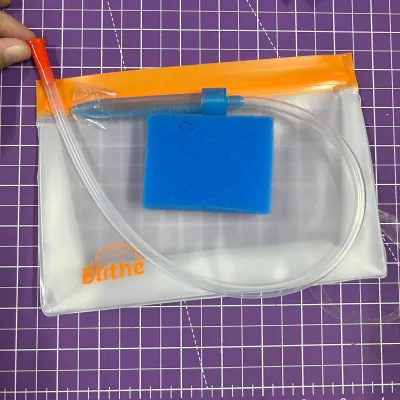
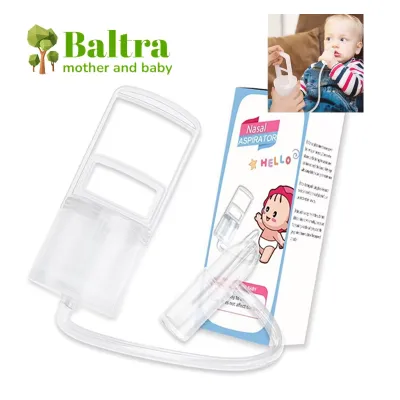
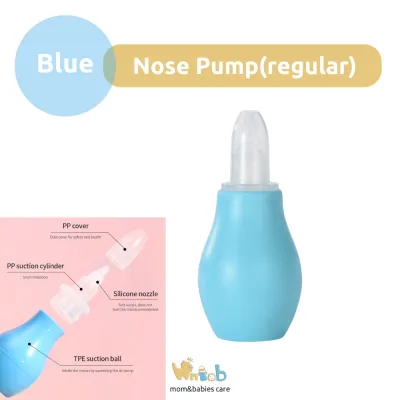

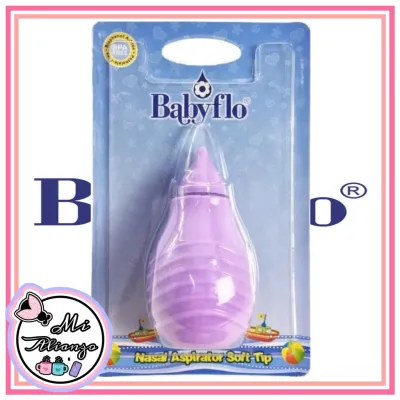
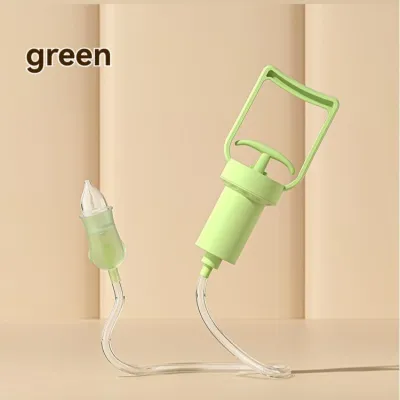
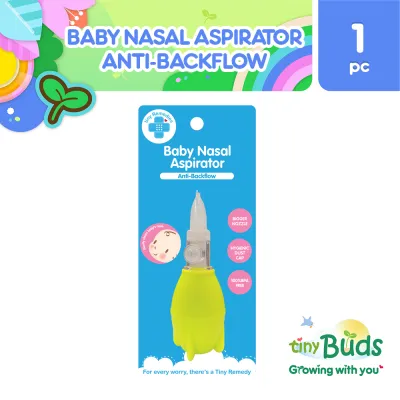
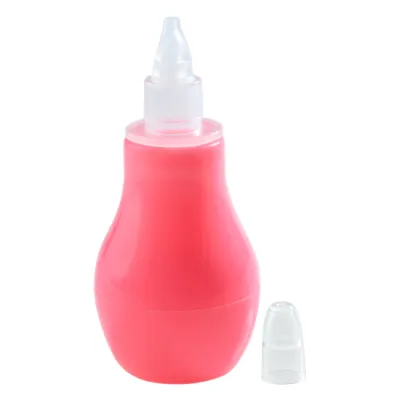
Prices are valid at publication and may change. Please refer to the product page for the latest price.
Using suction devices designed for older children or adults poses a severe risk of mucosal trauma, swelling, and even structural damage to the nasal septum. Excessive suction strength can pull on the delicate lining of the nose, causing inflammation that actually worsens congestion rather than relieving it. Therefore, any tool introduced into a newborn’s nasal cavity must be specifically engineered for their developmental stage, prioritizing gentle pressure control and soft, non-invasive contact points.
Essential Safety and Design Criteria
Before purchasing any nasal aspirator, parents must carefully evaluate the physical design and material specifications listed on the product packaging. The most critical component is the aspirator tip. For a newborn, the tip must be made of soft, medical-grade silicone that flexes easily under light pressure. It should feature a wide, bulbous base or a safety stopper design that physically prevents the tip from being inserted too deeply into the narrow nasal canal. Deep insertion can scratch the mucosal lining or cause a sudden pressure seal that damages the eardrum.

Suction control is another non-negotiable safety feature. The device must allow the caregiver to regulate the suction force instantly or have an inherent mechanical limit that keeps the negative pressure within a safe pediatric range. High, unregulated suction can collapse the tiny nasal passages or cause bruising.
Material safety is equally vital, as these devices come into direct contact with mucous membranes and bodily fluids. Parents should look for explicit labels certifying that the product is free from Bisphenol A (BPA), phthalates, and latex. These chemicals can leach into the plastic or cause allergic reactions in sensitive newborns.
Lastly, effective hygiene barriers are essential to prevent cross-contamination and secondary infections. A safe aspirator should incorporate an anti-backflow valve or a reliable physical filter system. This design ensures that extracted mucus and airborne pathogens cannot travel back into the baby’s nose or, in the case of manual devices, into the parent’s mouth.
Comparing the Main Types of Nasal Aspirators
Nasal aspirators generally fall into three categories: traditional bulb syringes, manual mouth-suction tubes, and electric or battery-operated devices. Each type offers a different balance of suction consistency, ease of cleaning, and parental control. When choosing between them, parents must consider how the device’s operation aligns with their comfort level, budget, and the baby’s tolerance for physical handling and noise.
In the humid, tropical climate of the Philippines, the ease of cleaning and drying a device is a paramount safety consideration. High humidity can create an ideal breeding ground for mold and bacteria within enclosed chambers. Therefore, understanding the internal mechanics and maintenance requirements of each category is crucial for long-term safety.
Traditional Bulb Syringes
The classic rubber bulb syringe is often the first tool parents encounter, frequently provided in newborn discharge kits. While simple and inexpensive, these devices present significant challenges for daily home use. Controlling the exact suction strength is difficult, as it depends entirely on how quickly and deeply the parent squeezes and releases the bulb, which can lead to sudden, unpredictable pressure changes.
The primary drawback of traditional bulb syringes is their opaque, one-piece design. It is virtually impossible to visually inspect the interior of a standard rubber bulb for cleanliness. Because they cannot be disassembled, thoroughly washing and drying the inner chamber is extremely difficult. In humid environments, residual moisture trapped inside the bulb quickly leads to hidden mold and bacterial growth, which can then be aerosolized back into the baby’s nose during subsequent uses.
Manual Mouth-Suction Tubes
Manual mouth-suction aspirators, often referred to as aspirator tubes, utilize the parent’s own breath to generate suction. One end of a flexible tube is placed in the parent’s mouth, while the soft silicone tip is gently held against the baby’s nostril. This design offers highly responsive and precise suction control, as the parent can instantly adjust the force of the draw based on the baby’s comfort and the thickness of the mucus.
To protect the parent from inhaling pathogens or coming into contact with mucus, these devices rely on a critical internal filter barrier or a specialized chamber design. Parents must ensure the filter is properly positioned before each use. While highly effective and quiet, manual tubes require ongoing maintenance, including the regular purchase of replacement filters and careful cleaning of the long, flexible tubing to prevent bacterial buildup.
Electric and Battery-Operated Aspirators
Motorized nasal aspirators offer the convenience of consistent, hands-free suction at the push of a button. These devices are particularly useful for uncooperative infants, as they allow the caregiver to focus one hand on stabilizing the baby’s head while the other guides the device. Many electric models feature adjustable suction levels, allowing parents to start with the lowest setting and increase it only if necessary.
However, electric devices come with specific trade-offs. The motor noise, even if quieted by design, can startle a sensitive newborn and cause distress during an already uncomfortable procedure. Parents must also verify the waterproof rating of the motorized unit, as the parts that contact mucus must be completely detachable and safe for sterilization. Battery dependency is another factor; low battery power can lead to weak, ineffective suction, requiring frequent replacements or recharging.
Evaluating Options in the Philippine Market
When shopping for a nasal aspirator in the Philippines, parents must exercise caution, especially when browsing online marketplaces or local baby boutiques. The market is flooded with unbranded, low-cost options that may not meet basic medical safety standards. It is highly recommended to look for products that carry local regulatory compliance marks, such as registration with the Food and Drug Administration (FDA) of the Philippines, which helps verify that the medical device has been evaluated for safety and efficacy.
Always check the physical packaging or official product listings for explicit age and weight suitability statements. Avoid products that use generic “baby” labels without specifying if they are safe for newborns under one month of age. Newborn-specific tips are significantly smaller and softer than those designed for older infants.
Price comparison is a practical step in the decision-making process. In the Philippines, manual mouth-suction aspirators generally range from ₱200 to ₱800, while high-quality electric models can cost anywhere from ₱1,500 to over ₱4,000. While budget is a factor, suspiciously cheap online listings—often priced under ₱100—are a major red flag. These products frequently lack verifiable manufacturer details, use low-grade plastics that may contain harmful chemicals, and often feature rigid tips that can easily injure a newborn’s delicate nose. Stick to authorized pharmacies, official brand stores, and reputable physical retail outlets to ensure product authenticity.
Safe Operation and Hygiene Practices
Using a nasal aspirator safely requires proper technique and strict adherence to hygiene protocols. To begin, position the newborn in a semi-upright or slightly reclined posture, ensuring their head is gently supported. Never insert the aspirator tip deep into the nostril; instead, place the soft silicone tip gently at the opening of the nostril to form a comfortable seal. Point the tip slightly outward toward the ear on the same side, rather than straight up or toward the nasal septum, to avoid irritating the delicate central cartilage.
Suctioning should be limited in both frequency and duration. Pediatric guidelines generally advise against suctioning a newborn’s nose more than three to four times a day, as over-suctioning can irritate the nasal lining, leading to increased swelling and even more mucus production. Keep each suction session brief, lasting only a few seconds per nostril.
After every single use, the aspirator must be disassembled and cleaned immediately to prevent mucus from drying and harboring bacteria. Wash all detachable parts in warm, soapy water, using a small brush to clean narrow tubes and tips. Sterilize the heat-resistant components according to the manufacturer’s instructions, whether through boiling, steam sterilization, or UV sanitization.
Always consult the specific product manual for cleaning restrictions, as some materials may degrade or warp under high heat. If the cleaning instructions are unclear, or if you suspect a component cannot be properly sanitized, stop using the device and contact the manufacturer for clarification.
Warning Signs and When to Seek Medical Help
While home nasal suction is a valuable tool for managing mild congestion, parents must recognize when a newborn’s breathing difficulties require professional medical attention. Home suction is not a substitute for medical treatment if the baby is experiencing severe respiratory distress.
Immediately seek emergency medical care if you observe signs of respiratory distress, such as rapid breathing, chest retractions (the skin pulling in tightly around the ribs or collarbone with each breath), flaring nostrils, or a bluish tint around the lips and face (cyanosis).
Additionally, stop using the nasal aspirator immediately if you notice any bleeding, persistent redness, or swelling inside the nostrils. If the congestion does not improve after a few days, or if it is accompanied by other symptoms such as a fever, lethargy, poor feeding, or persistent coughing, consult a pediatrician promptly to determine the underlying cause and receive an appropriate treatment plan.
Frequently Asked Questions (FAQ)
Can I use saline drops before using a nasal aspirator?
Yes, using newborn-safe saline drops before suctioning is highly recommended, especially if the mucus is thick or dry. Saline helps hydrate and loosen stubborn secretions, making them much easier to extract gently. Administer one to two drops of saline into each nostril, then wait approximately one to two minutes to allow the solution to soften the mucus before applying the aspirator. Always check the product label of the saline drops to ensure they are specifically formulated and dosed safely for newborns, containing no active pharmaceutical ingredients or preservatives that could irritate delicate tissues.
How often is it safe to suction a newborn's nose?
It is generally safest to limit nasal suctioning to three or four times a day, ideally timed before key activities like feeding and sleeping. Suctioning right before a feed can help the baby latch and breathe more comfortably, while suctioning before bedtime promotes more restful sleep. Avoid continuous or excessive suctioning throughout the day, as repeated physical contact and negative pressure can inflame the sensitive nasal lining, causing rebound swelling and increased mucus production. Always observe your baby’s comfort levels and stop immediately if the nasal passages appear red or irritated.
Community discussion
Share your experience or ask a question. Comments are reviewed before publication.