
Clearing your baby’s congested nose requires a gentle touch, the right equipment, and proper preparation to prevent irritation to their delicate nasal lining. Using a nasal aspirator—often referred to as a pump for nose breathing—is a common and practical way to help your infant breathe easier, feed comfortably, and sleep more soundly. The key to safety lies in softening the mucus beforehand, using the correct angle during insertion, and strictly limiting how often you perform the procedure. By mastering these gentle techniques, you can provide immediate relief without causing discomfort or tissue damage.
Recognizing When Your Baby Needs Nasal Clearance
Infants are obligatory nasal breathers, meaning they naturally breathe through their noses during their first few months of life. When their narrow nasal passages become blocked with mucus, it can quickly impact their daily comfort. You can identify congestion through observable signs such as noisy or rattling breathing, difficulty latching during breastfeeding or bottle-feeding, and frequent waking during sleep. Because babies cannot clear their own noses, they rely on caregivers to help manage these blockages when they interfere with basic activities.
However, nasal clearance is not always necessary and should be avoided if your baby is breathing quietly and feeding without struggle. Dry, crusty mucus that does not seem to bother your infant is often best left alone or managed solely with a humid environment, as unnecessary suctioning can irritate the sensitive nasal tissues. Overusing an aspirator on a clear nose can actually trigger swelling, leading to more congestion rather than less.
Products mentioned in this guide
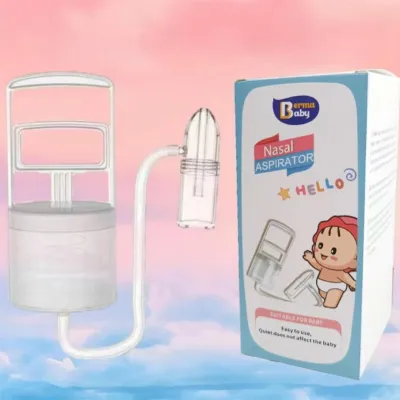
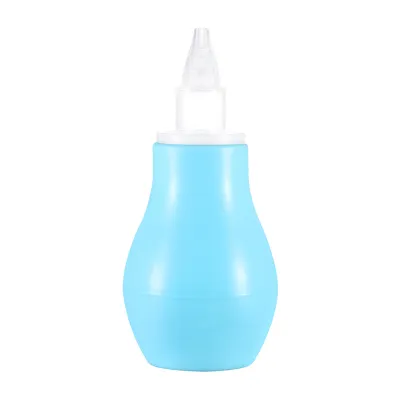
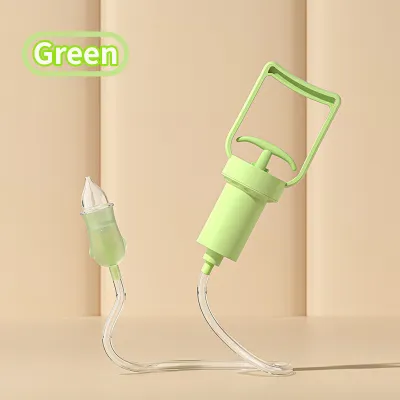
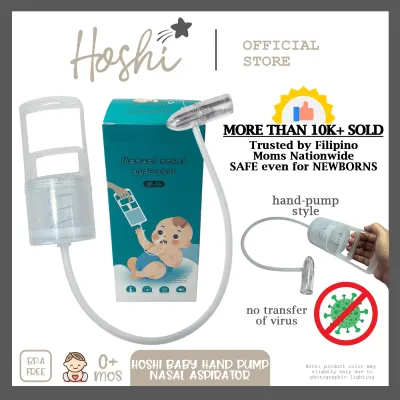
Prices are valid at publication and may change. Please refer to the product page for the latest price.
It is crucial to distinguish simple congestion from more serious respiratory issues that require professional medical attention. If your baby exhibits signs of respiratory distress—such as rapid breathing, flaring nostrils, grunting, or the skin pulling in around their ribs (retractions)—you must seek immediate pediatric care. Additionally, if the congestion is accompanied by a high fever, persistent cough, or extreme lethargy, stop using home care devices and consult a qualified healthcare professional right away.
Selecting the Right Nasal Aspirator for Your Baby
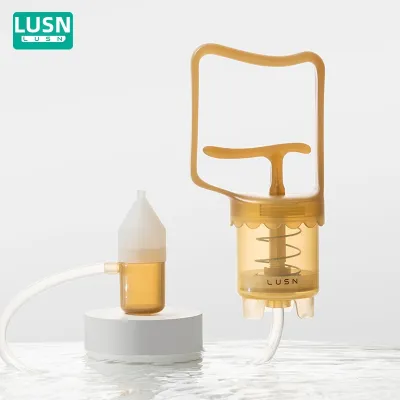
Choosing the right nasal aspirator involves understanding the different designs available and matching them to your baby’s age, comfort level, and the type of congestion they have. Bulb syringes are the traditional choice, featuring a simple rubber bulb that you squeeze to create manual suction. While they are highly portable and widely available, they offer limited suction control and can be difficult to clean thoroughly inside.

Manual oral suction tube aspirators provide a higher level of control because you use your own breath through a mouthpiece to draw out the mucus. A protective filter prevents any contact with the secretions, making this a hygienic option that allows you to adjust the suction force instantly based on your baby’s comfort. Many parents find this type highly effective for thick or stubborn mucus because of the intuitive control it offers.
Electric and battery-operated nose pumps offer consistent, automated suction at the press of a button. These devices are convenient for quick clearance, but they require careful handling to ensure the suction level is appropriate for an infant. When selecting any powered device, always check the manufacturer’s documentation to verify the recommended age and weight guidelines, as some models are designed specifically for older infants or toddlers.
When evaluating any nasal aspirator, look for key safety features on the product packaging or user manual. Opt for models with soft, medical-grade silicone tips that flex easily to prevent scratching the delicate inner lining of the nose. Ensure the device features built-in, replaceable filters to maintain hygiene, and look for electric models that offer adjustable suction settings so you can always start with the lowest possible pressure.
Preparing Your Baby and the Equipment
Proper preparation is the most important step in ensuring a smooth, irritation-free suctioning process. Before you begin, always wash your hands thoroughly with soap and water to prevent introducing new germs to your baby’s respiratory system. Assemble the nasal aspirator according to the manufacturer’s instructions, checking that all seals are tight and the tip is securely attached.
If your baby’s mucus is thick or dry, attempting to suction it directly can cause pain and nasal bleeding. To prevent this, use commercial saline drops or a gentle saline spray formulated specifically for infants to loosen and liquefy the mucus beforehand. Administer one to two drops into each nostril, then wait a minute or two to allow the saline to soften the blockage before you attempt to use the pump for nose breathing.
Positioning your baby safely is essential to prevent sudden movements that could lead to injury. Lay your baby on their back on a flat, secure surface, such as a changing table or a firm mattress, while supporting their head gently with your hand or a small, rolled towel. In tropical climates like the Philippines, where indoor air conditioning can dry out nasal passages, performing this routine in a room with a cool-mist humidifier can further assist in keeping the nasal passages moist and comfortable.
Step-by-Step Suction Techniques by Aspirator Type
Using a nasal aspirator safely requires a steady hand and strict adherence to the specific operating instructions provided by the manufacturer. Different types of aspirators require distinct physical techniques to ensure that suction is applied gently and only where it is needed.
Using Bulb Syringes and Manual Tube Aspirators
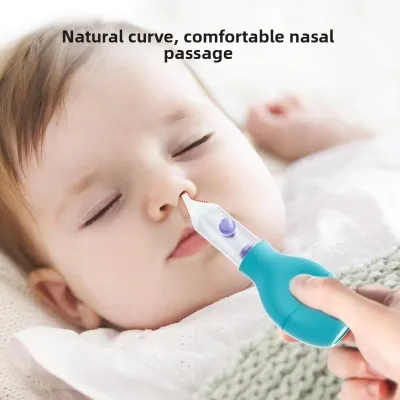
To use a traditional bulb syringe, first compress the rubber bulb fully before inserting the tip into your baby’s nostril. Gently place the soft silicone tip just inside the nostril opening, ensuring you do not push it deep into the nasal cavity. Angle the tip slightly outward toward the side of the nostril or the cheek, rather than pointing it straight up or toward the nasal septum, which is highly sensitive and prone to bleeding.
Once the tip is positioned correctly, slowly release your pressure on the bulb to draw the loose mucus into the syringe. For manual tube aspirators, place the mouthpiece in your mouth, position the nosepiece at the entry of the baby’s nostril, and inhale gently to create suction. Always start with very light suction, gradually increasing the force only as needed to draw out the softened mucus, and remove the device gently once the passage is clear.
Using Electric and Battery-Operated Nose Pumps
When operating an electric nose pump, always turn the device on and select the lowest available suction setting before bringing it near your baby’s face. This allows your baby to become accustomed to the low humming sound and vibration of the motor, reducing the likelihood that they will startle or panic during the procedure.
Gently place the silicone tip at the very edge of the nostril opening, creating a gentle seal without pushing the nozzle deep inside. Let the automated suction draw the mucus into the collection chamber, moving the tip in a tiny, gentle circular motion if necessary to capture loose secretions. If your baby becomes highly distressed, cries excessively, or if the device triggers any built-in safety shut-offs, pause immediately, soothe your infant, and try again only when they are calm.
Preventing Irritation and Knowing When to Stop
To protect your baby’s delicate nasal passages, you must establish strict limits on how often you use a nasal aspirator. Pediatricians generally recommend limiting suctioning to no more than three to four times a day, preferably before feeding times and bedtime to help your baby eat and sleep more comfortably. Over-suctioning can dry out the nasal membranes, leading to chronic irritation, swelling, and increased mucus production.
Monitor your baby closely during and after each session for any signs of localized irritation. Redness around the nostril opening, swelling of the nasal tissues, or small traces of blood-tinged mucus are clear indicators that the suction is too strong, the tip is inserted too deeply, or the device is being used too frequently. If you observe any of these signs, stop using the aspirator immediately and allow the nasal passages time to heal naturally.
There are specific conditions under which you must stop home care entirely and seek professional medical advice. If your baby’s nasal congestion does not improve after several days of gentle care, or if they develop a persistent nosebleed, consult your pediatrician. Always prioritize your baby’s comfort and safety over complete mucus removal; if a blockage cannot be cleared easily with gentle suction and saline, it is safer to stop and let a healthcare professional evaluate the situation.
Cleaning and Maintaining Your Nasal Aspirator
Maintaining strict hygiene standards for your nasal aspirator is essential to prevent the growth of mold, bacteria, and viruses, which could easily reinfect your baby. After every single use, disassemble the device completely according to the manufacturer’s manual, separating the silicone tips, collection chambers, and valves.
Wash all reusable parts thoroughly in warm, soapy water, using a small brush if provided by the manufacturer to clean tight crevices. Rinse each component completely under clean running water to remove all soap residue, then lay them out on a clean paper towel to air-dry completely in a well-ventilated area. Never reassemble or store a damp aspirator, as trapped moisture is a primary cause of mold accumulation.
For manual tube aspirators and electric models, pay close attention to the disposable filters and tubing. Replace disposable filters after every use or as specified by the manufacturer to maintain proper hygiene and suction efficiency. Regularly inspect the tubing for any signs of moisture, discoloration, or wear, and replace these components immediately according to the manufacturer’s recommended maintenance schedule to ensure the device remains safe for your baby.
Frequently Asked Questions (FAQ)
Can I use a nasal aspirator while my baby is sleeping?
It is highly recommended to avoid using a nasal aspirator while your baby is asleep. The sudden sensation of suction and the physical contact can easily startle your baby, causing them to jerk their head suddenly, which increases the risk of the aspirator tip scratching or injuring the delicate inner lining of their nose. Instead, perform the nasal clearance routine shortly before putting your baby down for a nap or bedtime, allowing them to settle into sleep with clear, comfortable airways.
How do I know if the suction is too strong?
You can identify excessive suction by observing your baby’s physical reactions and the condition of their nasal tissues. Signs that the suction is too strong include immediate crying or intense resistance from your baby, visible redness or swelling around the nostrils, and the appearance of pink or blood-tinged mucus in the collection chamber. To prevent tissue trauma, always start with the lowest possible suction setting on electric devices, or apply very gentle breath control on manual aspirators, and verify the manufacturer’s guidelines for safe operation.

Community discussion
Share your experience or ask a question. Comments are reviewed before publication.