
Using a nasal aspirator is an effective way to relieve a congested baby or toddler, helping them breathe, feed, and sleep more comfortably. Because infants are obligate nose breathers, even mild nasal congestion can make daily activities challenging. However, because a young child’s nasal passages are incredibly delicate, performing nasal suction requires a gentle touch, proper preparation, and the right technique. Doing it incorrectly or too frequently can irritate the sensitive nasal lining, cause swelling, and potentially worsen the congestion.
By understanding when to use suction, how to prepare your child, and the correct way to operate your specific device, you can safely clear your child’s airway. This guide provides a clear, step-by-step approach to home nasal care, ensuring you can manage your little one’s stuffy nose with confidence and care.
When to Use Nasal Suction for Your Child
Nasal suctioning is highly beneficial when congestion actively interferes with your child’s ability to function comfortably. Look for observable signs of distress, such as difficulty nursing or taking a bottle, trouble settling down to sleep, or audible, noisy breathing caused by visible mucus. Because babies cannot clear their own noses, removing this physical barrier before feeding times and bedtime can significantly improve their comfort.
Products mentioned in this guide
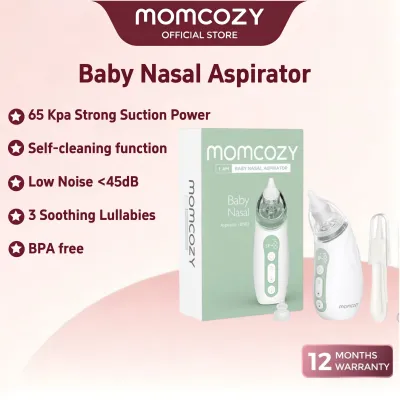
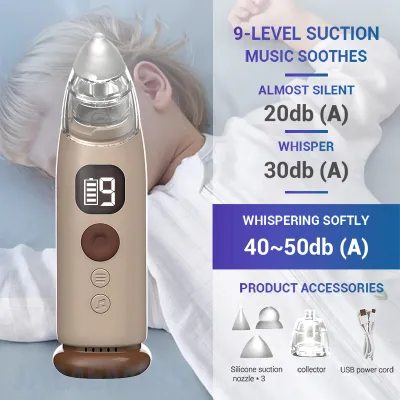
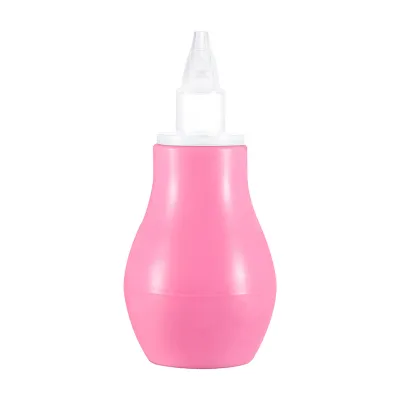
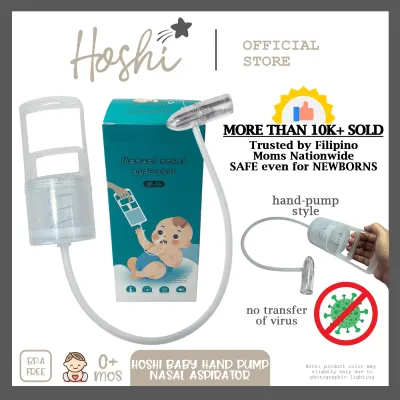
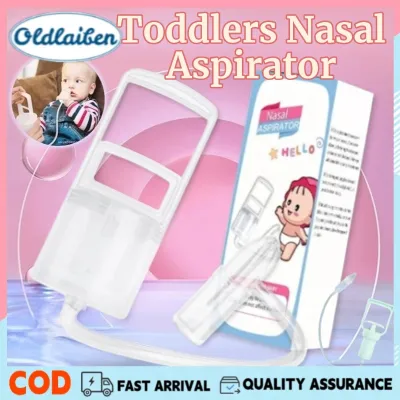
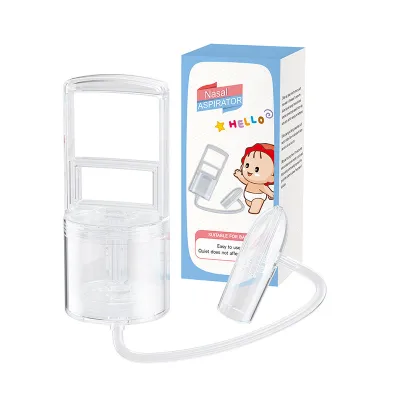
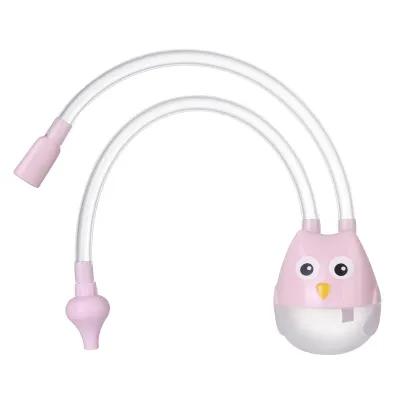
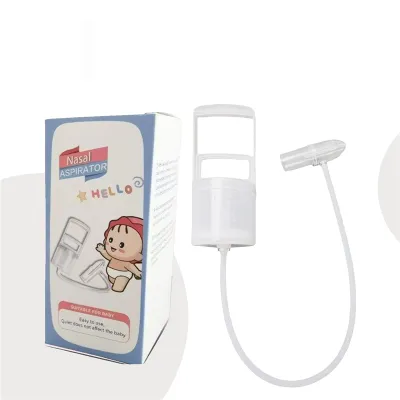
Prices are valid at publication and may change. Please refer to the product page for the latest price.
Conversely, suction is generally unnecessary if your child has a clear, runny nose but is otherwise happy, active, feeding well, and sleeping without difficulty. Mucus serves a protective role in the respiratory system, trapping dust and pathogens. Suctioning a nose that does not have obstructive congestion can cause unnecessary irritation to the delicate tissues.
To prevent nasal lining irritation, limit the frequency of suctioning. Generally, suctioning should not be done more than a few times a day, such as before major feeding sessions and before bedtime. Overusing an aspirator can lead to inflammation of the nasal passages, which actually mimics the feeling of congestion. Always defer to your pediatrician’s advice and consult the specific product instructions for your device regarding frequency limits.
Preparing Your Child and the Aspirator
Before you begin, proper preparation of both the equipment and your child is essential for a safe and smooth process. Start by washing your hands thoroughly with soap and water to prevent introducing new bacteria to your child’s nasal passages. Inspect the nasal aspirator carefully to ensure all parts are clean, completely dry, undamaged, and free of any blockages from previous uses.

In tropical climates, the combination of outdoor humidity and indoor air conditioning can cause nasal secretions to dry out and become thick or crusty. To address this, use saline drops or a gentle saline spray formulated specifically for infants. Saline helps to loosen, soften, and thin out thick mucus, making it much easier to suction out without applying excessive force. Follow the specific saline product’s instructions for application, typically administering one to two drops per nostril, and wait a minute or two to allow the solution to work.
Positioning your child securely is critical to prevent sudden movements that could lead to injury. Place your baby flat on their back on a firm, safe surface, with their head slightly elevated using a small, rolled towel under their shoulders. Alternatively, you can hold your toddler securely on your lap, cradling their head against your chest with one arm to keep them still while leaving your other hand free to operate the aspirator.
Because children often find nasal suctioning unpleasant, keeping them calm is vital. Speak to your child in a soft, soothing voice, sing a favorite song, or use a colorful toy to distract them. If your child is highly active or resistant, having a second caregiver gently hold their hands can prevent sudden jerks that might cause the aspirator tip to scrape the inside of the nose.
Step-by-Step Guide to Safe Nasal Aspiration
To begin the suctioning process, ensure you understand the proper insertion depth and angle for your specific device. Never insert the aspirator tip deeply into your child’s nostril. The tip should only be placed gently at the very opening of the nostril, just far enough to create a secure seal. Angle the tip slightly outward, pointing toward the corner of the eye or the ear on the same side of the face, rather than straight up or inward toward the nasal septum. The septum, which is the wall dividing the nostrils, contains many delicate blood vessels that can easily bleed if irritated.
The method of applying suction depends on the type of aspirator you are using. If you are using a manual bulb syringe, compress the bulb fully before placing the tip at the nostril opening. Once the tip is gently sealed against the nostril, slowly and smoothly release your thumb to draw the mucus into the bulb. If you are using a mouth-suction or oral aspirator, place the mouthpiece in your mouth, position the nasal tip at the child’s nostril, and inhale gently and gradually through the tube to pull the mucus into the collection chamber.
For electric nasal aspirators, always start on the lowest suction setting recommended by the manufacturer. Turn the device on, place the tip gently at the nostril opening, and observe how your child reacts. Regardless of the device type, limit the duration of active suction to no more than a few seconds per nostril. If the mucus does not clear immediately, do not apply continuous or aggressive suction; instead, administer another drop of saline, wait a few minutes, and try again gently.
Once you have finished suctioning, use a soft, damp cloth or a gentle baby wipe to clean any remaining mucus from around your child’s nose. Immediately comfort your child by holding them close, offering a feed, or speaking reassuringly. This helps to quickly lower their stress levels and associates the end of the procedure with comfort and safety.
Cleaning and Maintaining the Aspirator
Keeping your nasal aspirator clean is vital to prevent the growth of mold, bacteria, and viruses, which could be reintroduced into your child’s airway during subsequent uses. Immediately after each use, disassemble the aspirator completely according to the manufacturer’s instructions. This typically involves separating the soft silicone tip, the collection chamber, and any connecting valves or tubing.
Wash all reusable parts thoroughly in warm, soapy water. If your device came with a small cleaning brush, use it to gently scrub the inside of the tip and chamber to remove any stubborn mucus residue. Rinse all parts thoroughly under clean, running water to ensure no soap residue remains, as this could irritate your baby’s nasal passages next time.
Allow all components to air-dry completely on a clean paper towel or a dedicated drying rack in a well-ventilated area. In humid environments, ensuring complete dryness is especially critical, as lingering moisture can quickly lead to mold or bacterial contamination. Do not reassemble or store the device while any parts are still damp.
Depending on your specific aspirator design, you may need to replace disposable parts regularly. Some models use single-use hygiene filters that trap mucus and moisture, which must be discarded and replaced after every session. Other designs may require periodic replacement of the silicone tips or tubing. Store the clean, dry, and fully disassembled or reassembled device in a clean, dust-free container away from direct sunlight and moisture.
Safety Warnings and When to Stop
While nasal suctioning is a common home care practice, you must always prioritize safety and recognize when to stop. Stop the procedure immediately if you observe any nasal bleeding, severe distress, visible swelling, or extreme redness inside or around the nostrils. If your child becomes highly agitated and fights the process aggressively, it is safer to pause, comfort them, and try again later rather than risking a scrape or puncture injury from sudden movement.
Be mindful of the risks associated with over-suctioning. Repeatedly applying suction to the delicate nasal mucosa can cause rebound congestion. This occurs when the tissues swell in response to physical irritation, making the nasal passages narrower and causing your child to sound even more congested than before. If you find yourself needing to suction your child’s nose constantly, it is time to rest the nasal passages and consult a professional.
There are several red flags that indicate your child’s congestion requires professional medical evaluation rather than home suctioning. Seek immediate advice from a pediatrician or healthcare professional if your child exhibits a high fever, persistent breathing difficulties (such as rapid breathing, flaring nostrils, or chest retractions where the skin pulls in around the ribs), or signs of a severe respiratory infection. Additionally, if the nasal mucus is consistently thick, foul-smelling, or accompanied by ear pain, a professional assessment is necessary.
Finally, always read and strictly adhere to the user manual provided with your specific nasal aspirator. Pay close attention to age and weight restrictions, as some tips or suction levels are not safe for newborns or very young infants. Never modify the device or use alternative suction sources, and always supervise your child closely during any nasal care routine.
Frequently Asked Questions (FAQ)
Can I use a nasal aspirator while my baby is sleeping?
It is generally not recommended to use a nasal aspirator while your baby is sleeping. The sensation of suctioning can easily startle a sleeping infant, causing them to wake up abruptly or jerk their head, which increases the risk of injuring the delicate nasal lining. Additionally, startling your baby can cause them to associate sleep with discomfort, potentially disrupting their sleep patterns. It is much safer and more effective to perform nasal suctioning while your baby is awake, ideally right before a feeding or before putting them down to sleep, so they can settle with clear airways.
What is the difference between bulb syringes and electric aspirators?
The primary differences between bulb syringes and electric aspirators lie in their suction control, ease of cleaning, and overall usability. Bulb syringes are simple, manual, and cost-effective tools that rely on your hand pressure to create suction, but they can be difficult to clean thoroughly inside, raising concerns about mold growth. Electric aspirators, on the other hand, provide continuous, regulated suction at the push of a button and often feature multiple suction levels, making them highly efficient. However, electric models require batteries or charging, are typically more expensive, and require careful disassembly for cleaning. Always consult your specific model’s manual to understand its unique operation and maintenance requirements.

Community discussion
Share your experience or ask a question. Comments are reviewed before publication.