
Clearing a baby’s congested nose can be a stressful task for any parent, especially when trying to balance effective relief with absolute safety. An infant’s nasal passages are incredibly delicate, narrow, and easily irritated, making proper technique essential when using a baby nose vacuum suction device. To safely clear your baby’s nose without causing discomfort or injury, you must focus on careful preparation, correct tip placement, and gentle, controlled suction. Using sterile saline drops beforehand to soften stubborn mucus and strictly adhering to the manufacturer’s guidelines for your specific device are key steps in ensuring a safe, tear-free experience.
In the tropical climate of the Philippines, high humidity levels can naturally help keep nasal passages moist, but factors like air conditioning, dust, and seasonal changes can still lead to stubborn nasal congestion. When your little one is struggling to breathe, feed, or sleep due to a blocked nose, a baby nose vacuum suction device offers a practical home care solution. However, because an infant’s nasal lining is highly vascular and sensitive, caregivers must approach this task with patience, precision, and a clear understanding of safety boundaries. By mastering the right techniques and recognizing when to pause, you can confidently help your baby breathe easier while keeping their delicate nasal tissues completely unharmed.
Preparing Your Baby and the Suction Device
Before bringing the suction device near your baby, inspect the equipment thoroughly to ensure a safe procedure. Verify that the device is fully assembled, clean, and functioning exactly as outlined in the manufacturer’s instruction manual. Examine the silicone tip closely for any signs of wear, such as tiny tears, rough edges, or cracks, which could scratch or irritate the sensitive lining of your baby’s nostrils. If you are using an electric or battery-operated baby nose vacuum suction model, test the suction strength on the inside of your wrist first to confirm that the pressure is gentle and operating within safe parameters.
Products mentioned in this guide
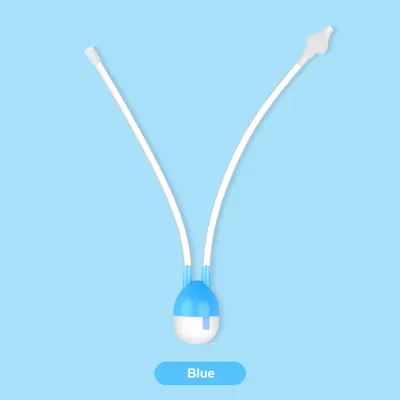
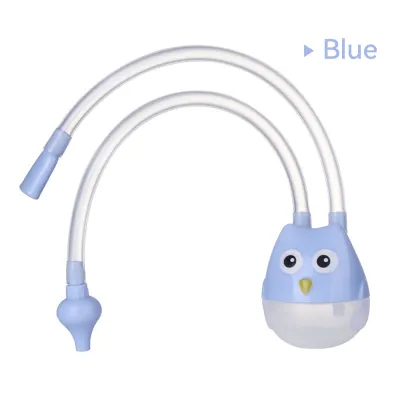
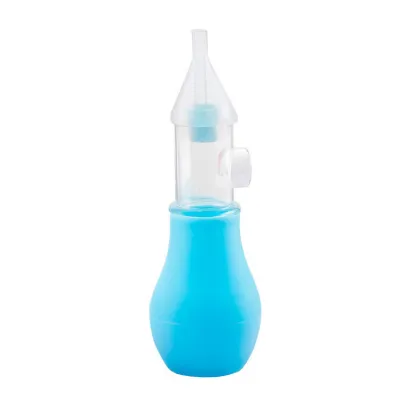
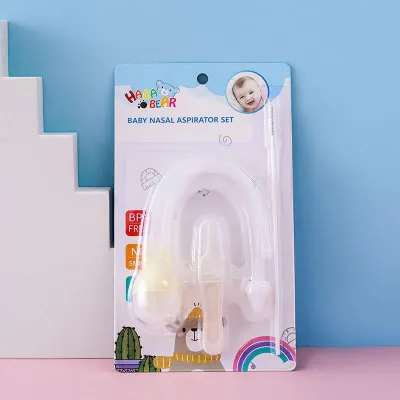
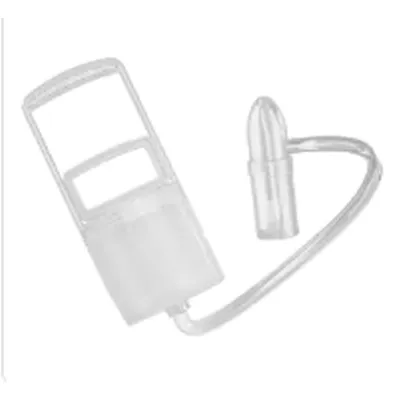
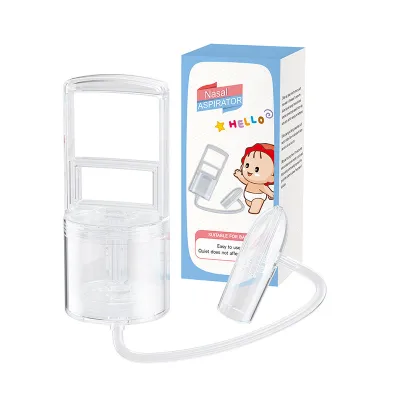
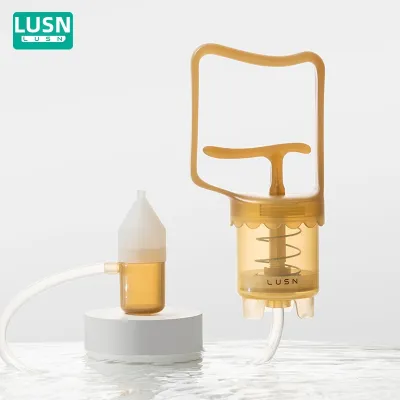
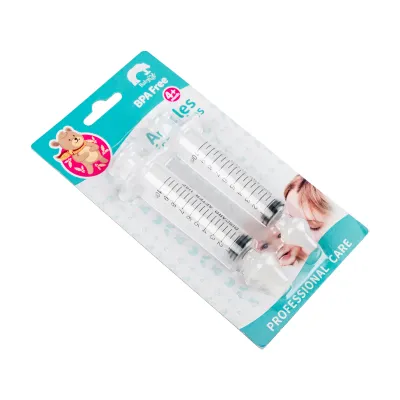
Prices are valid at publication and may change. Please refer to the product page for the latest price.
Creating a calm environment is just as important as preparing the physical device, as a wiggling baby increases the risk of accidental slips and injury. Choose a quiet, well-lit room and position your baby securely to prevent sudden head movements. Many parents find it helpful to hold their infant in a semi-upright or slightly reclined position in their lap, ensuring the baby’s head is firmly supported. If your baby is particularly active, gently swaddling them in a light, breathable cotton blanket can keep their hands secure and prevent them from knocking the device. Speak to your baby in a soft, reassuring tone throughout the preparation to help keep them relaxed.
Before initiating any suction, check the product label or consult your pediatrician regarding the use of sterile saline drops to loosen the congestion. Dry or thick mucus can be difficult to extract, and attempting to suction it dry can cause friction and pain. Applying one to two drops of sterile saline solution into each nostril helps to naturally break down and soften the mucus, making it much easier to remove. After administering the drops, wait for approximately one to two minutes to allow the solution to work its way through the nasal passages before you begin using the suction device.
Step-by-Step Technique for Gentle Nasal Clearance
Once your baby is calm and the mucus has been softened, proceed with the suctioning process using a highly controlled and gentle technique. Carefully position the silicone tip of the aspirator at the very entrance of your baby’s nostril, ensuring you do not insert it deeply. The tip should only make contact with the outer rim of the nostril to form a gentle, airtight seal. Inserting the tip too far into the nasal cavity can bruise the delicate mucosal tissues, cause swelling, or even trigger a nosebleed, so always rely on the built-in safety guards or flared designs of your device to prevent deep entry.

With the seal gently established, apply the suction rhythmically and with minimal force. If you are using a manual bulb syringe or a mouth-suction aspirator, control your breath or hand pressure to ensure a steady, gentle pull rather than a sudden, harsh tug. For electric baby nose vacuum suction devices, always start on the lowest power setting and only adjust the level if recommended by the manufacturer and if your baby remains comfortable. Avoid moving the tip around aggressively inside the nostril; instead, let the gentle vacuum pressure draw the loosened mucus out naturally into the collection chamber.
Keep each individual suction attempt extremely brief, lasting no more than a few seconds at a time. Continuous, prolonged suction can dry out the nasal membranes and cause significant discomfort or panic for your infant. After a quick suction attempt, remove the device from the nostril and pause to allow your baby to breathe, swallow, and recover their composure. This brief intermission gives you a chance to wipe away any external mucus with a soft cloth and assess whether further suctioning is actually necessary.
Always prioritize your baby’s comfort over the desire to clear every single trace of congestion in one go. If your baby becomes highly distressed, starts crying intensely, or arches their back, stop the procedure immediately and comfort them. A crying baby will naturally produce more mucus and experience increased nasal swelling, which defeats the purpose of the suctioning. If you need to clear both nostrils, complete one side, give your baby a few minutes to rest and settle down, and then proceed to the other side with the same gentle, patient approach.
Warning Signs: When to Stop and Consult a Professional
As a caregiver, knowing when to stop using a home suction device is just as crucial as knowing how to use it. You must immediately cease all suctioning if you observe any signs of tissue irritation or adverse reactions. For instance, if you notice even a tiny speck of blood in the extracted mucus or on the silicone tip, stop the process right away. Blood indicates that the delicate blood vessels in the nasal lining have been irritated or nicked, and continuing to apply suction will only worsen the injury and cause further bleeding.
Nasal swelling and extreme, inconsolable distress are also clear indicators that home suctioning should be discontinued. If your baby’s nostrils appear red, puffy, or inflamed, or if your baby screams and resists intensely every time the device is brought near, it is time to put the aspirator away. Forcing the procedure under these conditions can lead to physical trauma to the nasal passages and create a strong fear of nasal care in your child, making future health management much more difficult.
It is vital to distinguish between simple nasal congestion and signs of severe respiratory distress that require immediate medical attention. If you observe your baby breathing much faster than usual, grunting with each breath, or if their nostrils are flaring widely, these are signs that they are working too hard to breathe. Additionally, look closely at their chest and neck; if the skin is pulling in sharply between their ribs or at the base of their throat—a condition known as chest retractions—seek urgent medical care from a doctor or visit the nearest emergency room.
Remember that home baby nose vacuum suction devices are designed solely for temporary, upper-airway relief and are not a substitute for professional medical treatment. If your baby’s congestion persists for more than a few days without any signs of improvement, or if it is accompanied by other symptoms such as a high fever, poor feeding, coughing, or unusual lethargy, consult your pediatrician. A qualified healthcare professional can properly diagnose the underlying cause of the congestion and recommend a safe, comprehensive treatment plan.
Post-Use Cleaning and Device Maintenance
Maintaining strict hygiene standards for your baby nose vacuum suction device is essential to protect your infant from harmful bacteria, viruses, and mold. Immediately after you finish using the device, disassemble all of its components completely. This includes removing the silicone tip, opening the mucus collection chamber, and detaching any valves or tubing according to the manufacturer’s specific instructions. Allowing mucus to sit inside the device for extended periods can lead to bacterial colonization, making the tool unsafe for future use.
Wash all the disassembled, reusable parts thoroughly in warm, soapy water, using a mild dish soap that is safe for baby products. Avoid using harsh chemical cleaners, bleach, or highly abrasive sponges, as these can degrade the medical-grade silicone or plastic, leading to micro-scratches where bacteria can hide. If the manufacturer’s manual explicitly states that the parts are dishwasher-safe or can be boiled for sterilization, you may follow those steps; otherwise, stick to careful hand-washing to preserve the integrity of the materials.
Once washed, rinse every component thoroughly under clean, running water to ensure no soap residue remains, as dried soap can irritate your baby’s nasal passages during the next use. Lay all the pieces out separately on a clean, dry paper towel or a dedicated bottle-drying rack in a well-ventilated area. It is absolutely critical to let every single part air-dry completely before reassembling or storing the device. Storing a damp aspirator in a closed drawer or container creates a dark, moist environment where mold can rapidly develop.
Regularly inspect the condition of your device’s replaceable components to ensure it continues to operate safely and effectively. Over time, silicone tips can lose their shape or become discolored, and internal filters or valves may wear out. Check these parts during every cleaning session and replace them promptly according to the manufacturer’s recommended schedule or whenever you notice visible wear, stretching, or damage. Keeping your baby nose vacuum suction device in pristine condition ensures that it remains a safe, reliable tool ready for use whenever your little one needs quick relief.
Frequently Asked Questions (FAQ)
How often is it safe to use a nasal aspirator on an infant?
Using a nasal aspirator too frequently can irritate and inflame the delicate mucosal lining of your baby’s nose, which can actually trigger more swelling and worsen the congestion. To prevent this, it is generally recommended to limit suctioning to a few times a day, such as right before feeding times or before putting your baby down to sleep. This helps ensure they can breathe comfortably while eating and resting without over-manipulating their nasal passages. Always consult your pediatrician and check your specific device’s manual for precise daily usage guidelines, and stop using the device if you notice any signs of dryness or irritation.
What should I do if the device fails to clear the congestion?
If the baby nose vacuum suction device does not successfully clear your baby’s nose, do not attempt to increase the suction force or push the tip deeper into the nostril. Doing so will not reach deeper congestion and significantly increases the risk of bruising or injuring the delicate nasal tissues. Instead, focus on alternative, gentle methods to help ease their breathing, such as running a cool-mist humidifier in their room to add moisture to the air, or sitting with your baby in a warm, steamy bathroom for ten minutes. If the stubborn congestion continues to interfere with your baby’s ability to feed, sleep, or breathe comfortably, contact your pediatrician for a professional evaluation.

Community discussion
Share your experience or ask a question. Comments are reviewed before publication.