
Traveling with an infant requires careful planning, especially when it comes to feeding. Safely storing, transporting, and preparing breast milk while away from home ensures your baby receives optimal nutrition without the risk of contamination or spoilage. Using a high-quality milk storage bag is one of the most convenient ways to manage your supply on the go, but doing so successfully requires strict adherence to hygiene and temperature control. In tropical climates where high heat and humidity can accelerate bacterial growth, mastering these steps is essential for every breastfeeding parent.
By understanding how to prepare, pack, warm, and discard breast milk properly during outings, you can enjoy your trips with peace of mind. This guide outlines the practical steps needed to handle milk storage bags safely, protect your liquid gold from environmental hazards, and ensure every feed is as safe as it would be at home.
Preparing and Filling Milk Storage Bags Before Your Trip
Before you even step out of the door, the safety of your breast milk depends heavily on how it is handled during the initial filling process. Start by thoroughly washing your hands with soap and warm water for at least twenty seconds. Cleanliness is your first line of defense against introducing harmful bacteria into the milk, which can multiply rapidly in warm transit conditions.
Products mentioned in this guide
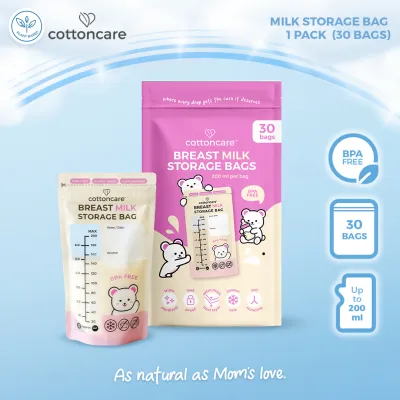
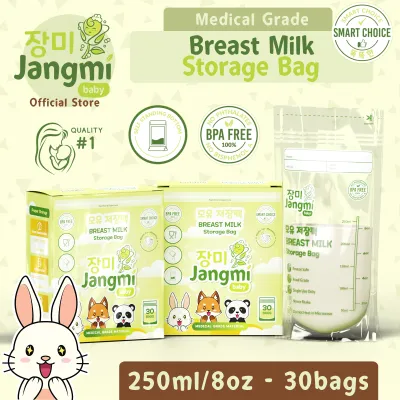
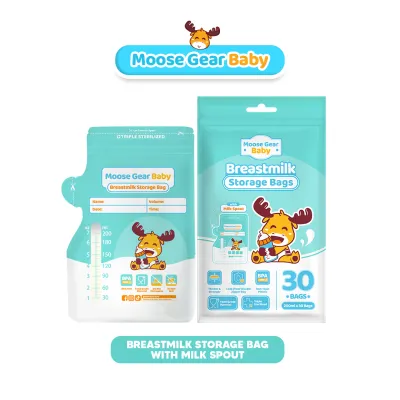
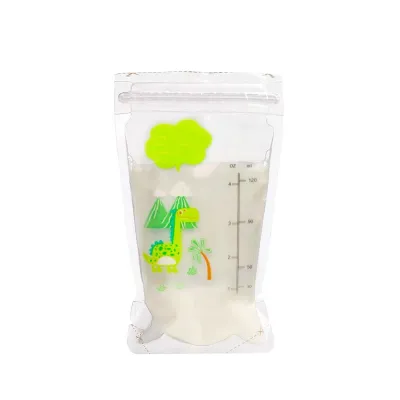
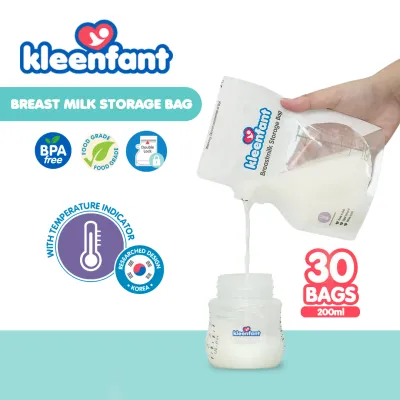
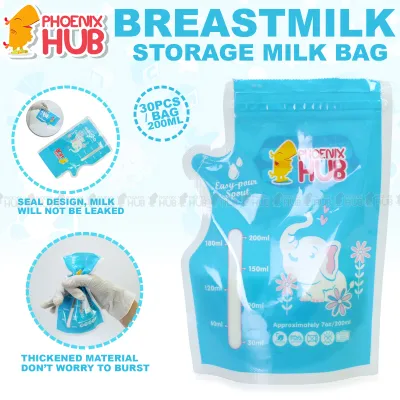
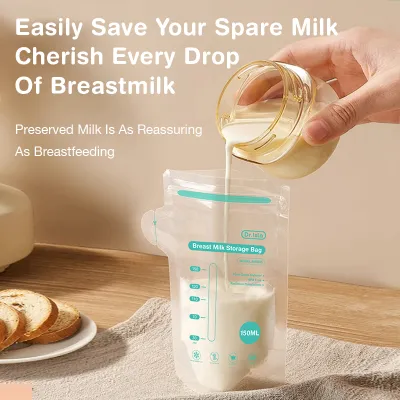
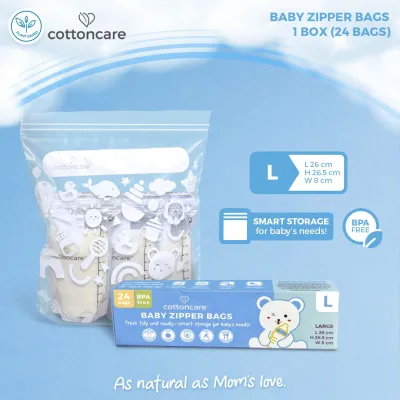
Prices are valid at publication and may change. Please refer to the product page for the latest price.
Next, inspect each milk storage bag individually before use. Look closely for any manufacturing defects, such as weak side seams, misaligned zippers, or visible punctures. Even a tiny flaw can lead to a messy leak inside your diaper bag or allow external contaminants to enter.
When pouring the expressed breast milk into the bag, pay close attention to the maximum fill line printed on the exterior. It is tempting to maximize space by filling the bag to the brim, but leaving a generous clearance at the top is crucial. Liquid expands as it changes temperature or when subjected to physical pressure during travel. Overfilling increases the risk of the seams bursting or the zipper popping open under pressure.
Once the milk is poured, gently flatten the top portion of the bag to squeeze out any excess air before sealing. Trapped air can contribute to freezer burn if you are freezing the milk, and it also makes the bag bulkier and more prone to popping. Carefully press the double zipper seal from one end to the other, running your fingers across it multiple times to confirm a completely airtight lock.
Finally, use a food-safe, waterproof marker to write the date and time of expression directly on the designated label area. Never write directly on the main body of the bag where the ink could potentially migrate through the plastic or smudge off onto other items. Accurate labeling ensures you always use the oldest milk first and helps you track how long the milk has been out of controlled refrigeration.
Packing and Transporting Breast Milk in Your Diaper Bag
Transporting breast milk in tropical climates requires robust thermal protection to prevent rapid warming. An ordinary diaper bag does not offer enough insulation on its own, making a dedicated, high-quality insulated cooler bag an absolute necessity. When selecting a cooler bag, look for thick insulation layers and a durable, easy-to-clean inner lining.

To maintain a safe, cold environment, pack the cooler with adequate ice packs or frozen gel packs. The number of packs you need depends on the duration of your trip and the manufacturer’s temperature retention specifications for your specific cooler. In hot and humid conditions, it is always safer to over-pack with ice rather than risk the milk warming up prematurely.
The way you position the milk storage bags inside the cooler also affects their integrity. Laying the bags flat on top of a flat ice pack is often the best method, as it distributes the weight evenly and minimizes stress on the seams. If you must pack them upright, ensure they are snugly nestled between ice packs so they do not shift, slide, or fold during transit.
Keep the milk storage bags completely isolated from sharp or heavy objects within your diaper bag. Keys, toys, pens, or even the sharp edges of baby food containers can easily puncture the delicate plastic of a milk bag. Consider keeping the insulated cooler bag in its own compartment or carrying it as a separate piece of luggage to avoid accidental damage.
Lastly, be highly mindful of where you place your bags during travel. Never leave the cooler bag inside a hot vehicle trunk or parked car, where temperatures can soar within minutes. Keep the bag out of direct sunlight, placing it under your stroller canopy or on the floor of an air-conditioned vehicle to help the ice packs last as long as possible.
Warming and Feeding Your Baby on the Go
When your baby is ready to feed, warming the breast milk safely requires patience and the right tools. The most reliable method while away from home is using a portable bottle warmer or a vacuum-insulated thermos filled with hot water. Simply submerge the sealed milk storage bag into the warm water for a few minutes to gently raise its temperature.
Never use a microwave or boiling water to heat breast milk. Microwaves create uneven hot spots that can easily burn your baby’s sensitive mouth, and extreme heat can destroy the beneficial nutrients and immunological properties of the milk. Gentle, gradual warming is the only safe approach.
Before offering the milk to your baby, always test the temperature. Shake the bag gently to distribute the heat evenly, then pour a few drops onto the inside of your wrist. The milk should feel lukewarm or neutral—never hot. If it feels warm to your skin, let it cool down before feeding.
To feed your baby, carefully pour the warmed milk from the storage bag into a clean, sterilized baby bottle. Some modern milk storage bags are designed to attach directly to compatible feeding nipples or adapters, which can minimize the risk of spills and reduce the number of items you need to wash. If using an adapter, ensure it is securely locked in place according to the manufacturer’s instructions before starting the feed.
During the feeding session, support your baby in a semi-upright position rather than laying them flat. This position helps regulate the flow of milk, reduces the amount of air swallowed, and significantly lowers the risk of choking or spitting up, especially when feeding in unfamiliar or busy outdoor environments.
Handling Leftover Milk and Cleanup Away from Home
Managing leftover breast milk and cleaning up after a feed can be challenging when you are away from home facilities. Once your baby has started drinking from a bottle, bacteria from their saliva enter the milk and begin to multiply. Because of this, standard pediatric health guidelines dictate that any warmed breast milk left unfinished after a feed must be discarded within a very short timeframe, typically within one to two hours after the start of a feed.
Do not attempt to save leftover milk for a later feed, as this poses a significant risk of bacterial contamination. Safely pour out any remaining milk and discard the single-use milk storage bag immediately. These bags are strictly designed for one-time use and cannot be washed or sanitized for another feeding.
If you are in a location without immediate access to a trash bin, store the empty, used bag inside a sealed wet bag or a disposable plastic bag. This prevents any residual milk drops from leaking onto your clean baby gear or causing unpleasant odors inside your diaper bag.
Once the feed is complete, take a moment to clean up. Use baby-safe, unscented wipes to gently clean your baby’s face and hands, removing any spilled milk that could cause skin irritation in humid weather. Caregivers should also wipe their own hands or use a gentle hand sanitizer to maintain hygiene before handling other baby items.
Safety Checks and Common Mistakes to Avoid
Protecting your baby’s health requires avoiding several common pitfalls associated with mobile milk storage. The most critical rule is to never reuse single-use milk storage bags. The plastic material and zipper seals are not designed to withstand the sterilization process, and attempting to wash them can leave behind microscopic pockets of bacteria that will contaminate the next batch of milk.
Before placing any milk bag into a warming container, perform a quick visual check for micro-punctures or leaks. Squeeze the bag very gently to see if any liquid beads up along the seams or near the zipper. If you detect a leak, do not submerge the bag in water, as external water can seep inside and contaminate the breast milk.
Another common mistake is attempting to refreeze breast milk that has completely thawed during your trip. Once ice crystals have fully disappeared from the milk, it must be kept cold and consumed within the timeframe recommended by health authorities, or otherwise discarded. Refreezing thawed milk compromises its nutritional quality and increases the risk of bacterial growth.
If you ever find yourself unsure about the safety of your breast milk—perhaps because the cooler bag felt warm, an ice pack melted completely, or a journey took much longer than anticipated—err on the side of caution. Do not feed the milk to your baby if you suspect it has spoiled. When in doubt, consult your pediatrician or a certified lactation consultant for professional guidance on milk safety and storage standards.
Frequently Asked Questions (FAQ)
Can I freeze breast milk in a storage bag and take it on a long trip?
Yes, you can freeze breast milk in a storage bag and transport it, provided the bag is explicitly labeled by the manufacturer as freezer-safe. When planning a long trip, pack the frozen bags tightly together inside a high-quality insulated cooler bag filled with extra ice packs or dry ice if permitted by your transport provider. Check the cooler’s thermal limits and avoid opening the bag frequently to keep the internal temperature as low as possible throughout the journey.
What should I do if the milk storage bag leaks in my diaper bag?
If a milk storage bag leaks, you must discard the compromised milk immediately, as it is no longer sterile and has likely been exposed to bacteria. Empty the diaper bag or cooler, and wipe down the interior thoroughly using a baby-safe disinfectant or warm, soapy water. Wash any contaminated clothing, toys, or bag liners promptly to prevent sour odors and bacterial growth, especially in warm, humid climates.

Community discussion
Share your experience or ask a question. Comments are reviewed before publication.