
Storing prepared formula milk safely requires a strict combination of hygienic containers, immediate temperature control, and rigorous tracking of time limits. In a warm and humid tropical climate like the Philippines, ambient temperatures can accelerate bacterial multiplication, making proper storage practices even more critical for your baby’s health. By choosing the right storage vessels and following structured handling steps, you can preserve the nutritional quality of the formula and protect your infant’s developing digestive system from foodborne pathogens.
Choosing and Preparing Safe Formula Milk Containers
Selecting the right container is your first line of defense against contamination. When shopping at reputable baby boutiques or online marketplaces, always inspect the packaging to verify that the containers are explicitly labeled as food-grade and BPA-free. Bisphenol-A (BPA) is a chemical historically used in plastics that can leach into liquids, especially when subjected to high temperatures during sterilization or warming. Opting for high-quality materials like polypropylene (PP), polyphenylsulfone (PPSU), or tempered glass helps ensure that no harmful substances interact with your baby’s milk.
Beyond material safety, evaluate the seal integrity of the container. A secure, airtight lid—ideally one featuring a food-grade silicone gasket or a multi-thread screw cap—is essential for preventing leaks and blocking external contaminants. In highly humid environments, a weak seal can allow moisture and airborne mold spores to enter the container, compromising the milk. Furthermore, an airtight seal prevents the formula from absorbing strong food odors from other items stored inside your refrigerator.
Products mentioned in this guide
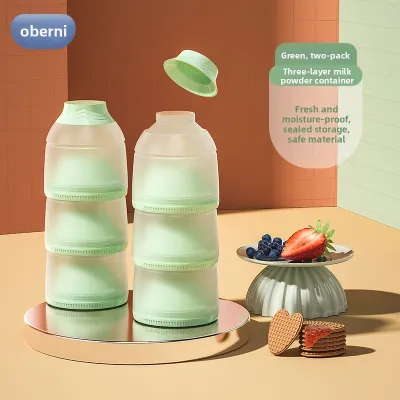
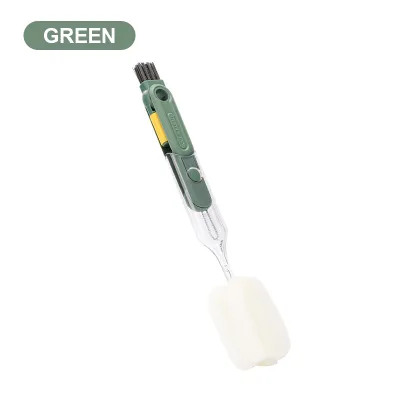
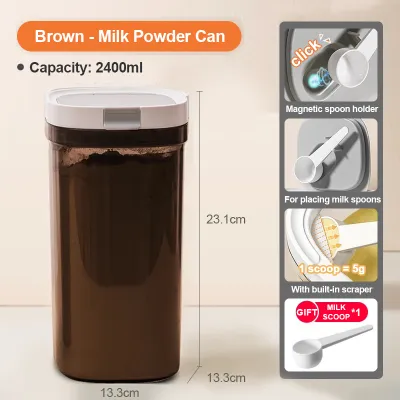
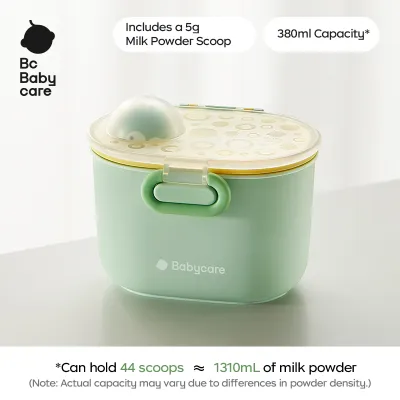
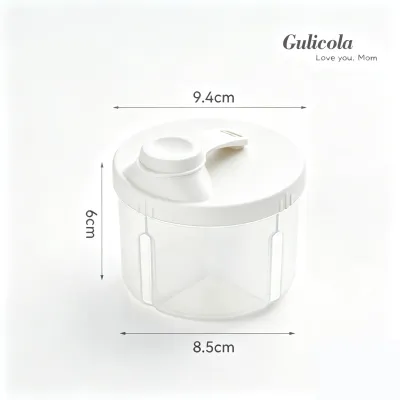
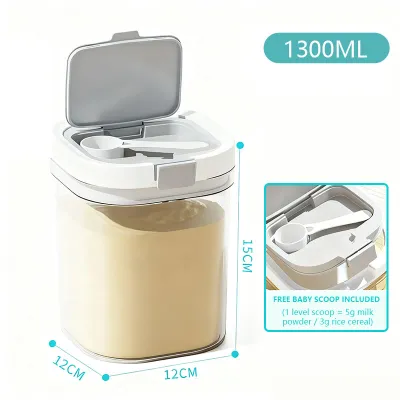
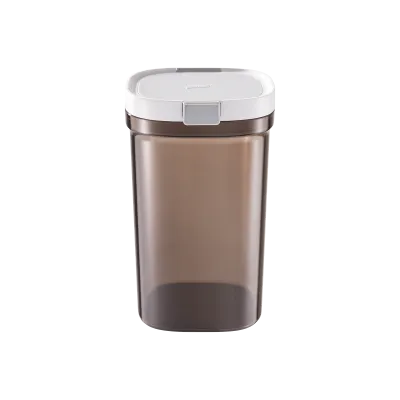
Prices are valid at publication and may change. Please refer to the product page for the latest price.
Before using any new container for the first time, and prior to every subsequent preparation, you must thoroughly clean and sterilize it. Refer to the container manufacturer’s manual for specific temperature limits, as some plastics can warp or degrade under extreme heat. Wash all disassembled parts in warm, soapy water using a dedicated bottle brush, rinse them thoroughly with clean water, and then sterilize them. You can use boiling water, an electric steam sterilizer, or a cold-water sterilizing solution, provided the method aligns with the manufacturer’s guidelines. Allow all parts to air-dry completely on a clean, elevated rack before assembly.
Step-by-Step Guide to Storing Prepared Formula
Once you have prepared a fresh batch of formula, transferring and cooling it correctly is vital to prevent rapid bacterial growth. Do not pour warm formula directly into a container, seal it, and place it straight into the refrigerator. This practice causes warm vapor to rise and condense on the underside of the lid, creating water droplets that drip back into the milk. This condensation can create localized areas of high moisture at the surface, which serves as an ideal breeding ground for bacteria. Instead, let the sealed container cool down slightly by placing it in a bowl of cold tap water for a few minutes before refrigerating.

Portioning your prepared formula into single-feed quantities is another highly effective strategy for maintaining hygiene and minimizing waste. If your baby typically consumes 120 milliliters per feeding, store exactly that amount in individual containers rather than keeping a large batch in a single pitcher. This approach prevents you from having to open a large container repeatedly, which introduces fresh airborne contaminants each time. It also protects the bulk of your prepared formula from the temperature fluctuations that occur when a container is repeatedly taken out of the refrigerator and put back in.
Clear labeling is the final, indispensable step in the storage process. Use waterproof labels or water-resistant markers on masking tape to record the exact date and time the formula was prepared. In a busy household, especially during late-night feedings, it is incredibly easy to lose track of when a bottle was mixed. Relying on memory can lead to accidental feeding of expired formula, so a visible, written timestamp is your best safeguard.
Navigating Storage Time Limits and Environments
To ensure your baby’s safety, you must always locate and interpret the specific storage time limits printed on your formula manufacturer’s label. Different brands and formulations—whether powdered, concentrated liquid, or ready-to-feed—may have unique stability profiles once mixed with water. The manufacturer’s guidelines are based on rigorous testing and should always serve as your primary authority.
As a general rule, freshly prepared formula kept at room temperature must be used within two hours. In tropical climates where indoor temperatures frequently exceed 30°C, this window can shrink rapidly, as warmth accelerates bacterial activity. If you refrigerate the prepared formula immediately in a refrigerator maintained at 4°C or below, it can generally be stored for up to 24 hours. To protect the formula from temperature drops, store the containers deep inside the main body of the refrigerator rather than in the door shelves, which experience frequent warm drafts whenever the refrigerator is opened.
Knowing when to discard stored formula is critical for preventing digestive distress. You must discard any prepared formula that has sat at room temperature for longer than two hours, or any refrigerated bottle that has passed the 24-hour mark. Additionally, if your baby has already started feeding from a bottle, the storage rules change instantly. Any formula left in a bottle after a feeding session has begun must be discarded within one hour, regardless of whether it was kept at room temperature or in the fridge.
Reheating and Feeding Safety Rules
Warming stored formula requires a gentle touch to preserve its nutritional value and protect your baby from injury. The safest method is to place the storage container into a bowl of warm water or use a dedicated bottle warmer set to a low, controlled temperature. Never use a microwave to heat baby formula. Microwaves heat liquids unevenly, creating localized ‘hot spots’ that can easily burn your baby’s sensitive mouth, and the intense heat can also destroy delicate vitamins and proteins essential for your baby’s development.
Once you have warmed a bottle of stored formula, a strict one-hour feeding window begins. The warmed milk quickly enters the temperature danger zone where bacteria multiply most rapidly. If your baby does not finish the warmed formula within one hour, you must discard the remaining liquid immediately. Never attempt to re-refrigerate or reheat leftover formula, as the bacterial load will have already reached unsafe levels.
The primary driver behind this strict discard rule is saliva contamination. The moment your baby begins sucking on the bottle nipple, their saliva travels back into the container. Saliva contains natural bacteria and digestive enzymes that immediately begin breaking down the milk proteins, creating an environment where pathogens can flourish. To keep your baby safe, treat any bottle that has touched your baby’s lips as a single-use item that must be emptied and cleaned promptly after the feeding session.
Cleaning and Maintaining Your Storage Containers
Maintaining a rigorous cleaning routine for your storage containers is essential for preventing the long-term buildup of harmful bacteria. After every feeding, completely disassemble the container, removing all silicone seals, valves, collar threads, and caps. Milk fats and proteins easily cling to these small crevices, forming a stubborn biofilm that standard rinsing cannot remove. Wash each component individually with warm water and a mild, baby-safe dishwashing liquid, using specialized small brushes to clean inside tight spaces.
Regularly perform a close visual inspection of all container parts under bright light. Look for fine scratches on the inner plastic walls, persistent cloudiness, lingering sour odors, or cracks in the silicone gaskets. Plastic containers are susceptible to micro-scratches from bottle brushes or abrasive sponges over time. These tiny grooves are highly problematic because they can harbor microscopic bacteria and shield them from the sterilization process.
If your inspection reveals deep scratches, permanent discoloration, a sticky texture on the silicone seals, or a sour smell that persists even after thorough sterilization, you should replace the container immediately. Continuing to use compromised containers increases the risk of bacterial contamination and leaks. Investing in timely replacements ensures that your storage system remains completely hygienic and safe for your baby’s daily feeds.
Frequently Asked Questions (FAQ)
Can I freeze prepared formula milk in containers?
No, you should not freeze prepared formula milk. Freezing causes the physical components of the liquid to separate, leading to a dramatic degradation of texture and consistency once thawed. The fat content can clump together, and the milk may become watery or grainy, making it unappealing to your baby. Furthermore, freezing can compromise the nutritional integrity of the formula by breaking down key vitamins. Always consult your formula manufacturer’s packaging, as almost all brands explicitly advise against freezing prepared liquid formula.
How do I know if the stored formula has gone bad?
You can check for obvious signs of spoilage by looking for curdling, separation that does not emulsify when gently swirled, or a sour, off-putting odor. However, you must never rely solely on your senses to determine if stored formula is safe for your baby. Harmful bacteria can multiply to dangerous levels in prepared milk without causing any visible changes or noticeable smells. The only reliable way to ensure safety is to strictly adhere to the established time limits: discard room-temperature formula after two hours and refrigerated formula after 24 hours.

Community discussion
Share your experience or ask a question. Comments are reviewed before publication.