
Using a duyan for newborn baby care is a deeply rooted tradition in many homes, valued for its ability to soothe infants with a gentle, rhythmic swaying motion that mimics the comfort of the womb. However, ensuring your baby’s safety while using a traditional or modern hammock requires careful attention to structural setup, precise positioning, and constant supervision. To properly set up and use a duyan, you must secure it to a verified load-bearing structure, adjust the height to allow easy access without physical strain, lay your baby flat on their back to keep their airway clear, and maintain direct visual supervision at all times. By prioritizing these safety measures, you can enjoy the soothing benefits of this traditional practice while fully protecting your newborn’s health and physical development.
Preparing the Right Support Structure and Materials
Before hanging a duyan, you must identify a secure, load-bearing anchoring point in your home to prevent any risk of structural failure. If you plan to suspend the hammock from the ceiling, locate a solid wooden joist or a reinforced concrete beam rather than relying on simple plasterboard, drywall, or decorative panels. In many tropical homes, exposed wooden rafters or sturdy concrete pillars serve as excellent anchor points, but you should always consult a qualified contractor or structural professional if you are uncertain about the load-bearing capacity of your ceiling. If you opt for a dedicated metal duyan stand instead of a ceiling mount, ensure the frame is placed on a completely flat, non-slip floor surface where it cannot wobble or slide during use.
Carefully inspect all the components of your duyan system before the very first use and establish a routine to check them regularly. Examine the fabric of the hammock thoroughly, looking for any signs of thinning material, loose threads, unraveling seams, or small tears that could compromise its strength. Ropes, suspension straps, and metal carabiners must be free of fraying, cracking, or rust, as even minor wear can lead to sudden failure under tension.
Products mentioned in this guide



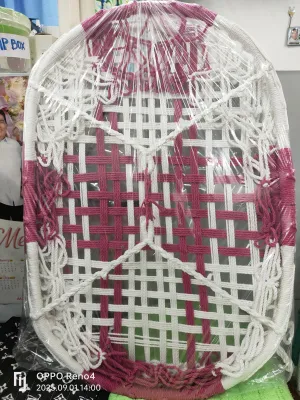
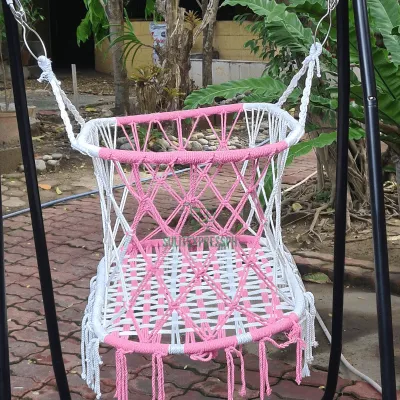
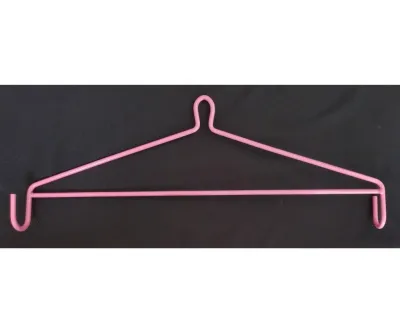
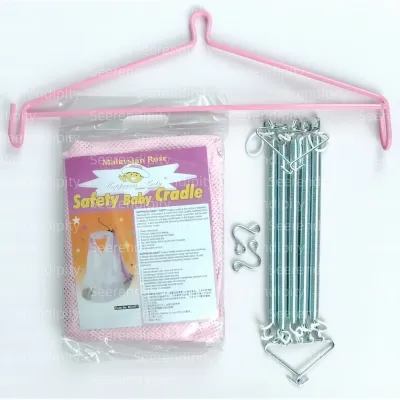
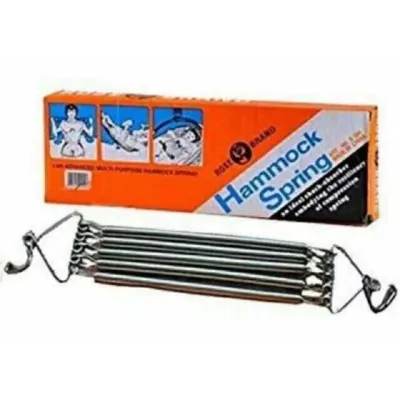
Prices are valid at publication and may change. Please refer to the product page for the latest price.
You must also verify that all hooks, springs, swivels, and mounting hardware match the manufacturer’s specified weight limits and age guidelines for newborns. Never substitute household ropes, makeshift cords, or unrated hardware for specialized, load-tested baby gear. Because safety standards and weight capacities vary widely between brands, always read the product documentation carefully to confirm that every single component is rated safely for your infant’s current weight and developmental stage.
Step-by-Step Installation and Height Adjustment
To begin the installation, securely mount the main hook or assemble the standalone frame according to the step-by-step instructions provided in the product manual. Once the primary anchor is fixed, perform a rigorous weight test before placing your newborn inside the duyan. You can do this by gradually applying downward pressure with your hands or hanging a heavy, secure object that exceeds your baby’s weight to verify that the support system does not slip, bend, creak, or show any signs of instability.

Next, adjust the length of the suspension ropes, chains, or straps so that the lowest point of the duyan hangs at a highly accessible and ergonomic height. The hammock should be positioned low enough that you can easily lift and lower your baby without straining your back, shoulders, or wrists, yet high enough to keep the fabric completely clear of the floor when the baby’s weight is added. A height that aligns roughly with the caregiver’s waist or hip level is generally ideal, allowing you to maintain a natural, upright posture during transitions.
Clearance is another critical factor to consider when choosing the installation spot within your living space. Ensure the duyan has ample room to swing gently in all directions without coming into contact with walls, wooden furniture, sharp corners, or household appliances. A collision, even at a slow speed, can startle or injure a delicate newborn.
Additionally, pay close attention to nearby environmental hazards such as electrical cords, fan pull chains, window blind cords, or low-hanging decorations. The duyan must be positioned far out of reach of these items to eliminate any risk of entanglement, strangulation, or accidental impact. Keep the surrounding floor area clear of clutter, hard objects, or sharp items to maintain a safe zone around the entire swinging radius.
Positioning Your Newborn Safely in the Duyan
When placing your newborn in the duyan, always lay them flat on their back in the exact center of the fabric. This central positioning ensures that the baby’s weight is distributed evenly across the hammock, preventing the fabric from tilting, flipping, or bunching up on one side. Standard safe sleep guidelines emphasize that a flat, back-sleeping position is essential for keeping an infant’s airway open and reducing the risk of sudden infant death syndrome (SIDS).
Carefully observe how the fabric cradles your baby’s head and neck once they are settled. The material must support the head in a neutral position, preventing the chin from being pushed down toward the chest, which can restrict breathing and lead to positional asphyxia. Ensure that the sides of the fabric do not fold inward over the baby’s face, block their view, or restrict the free flow of fresh air around their nose and mouth.
Take time to look at your baby’s overall posture, paying close attention to the alignment of their spine and hips. Because a newborn’s skeletal system is highly flexible and still developing, an overly curved or deeply sagged posture can place undue stress on their back and hips. The fabric should provide a supportive, semi-firm cradle rather than allowing the baby to slump into a tight, C-shaped curve.
If you notice that the fabric causes your baby’s chin to rest on their chest, or if their hips appear tightly squeezed and unsupported, stop using the duyan immediately. Consult your pediatrician or a pediatric physical therapist to discuss appropriate support alternatives and ensure your baby’s physical development is not compromised. Never attempt to modify the hammock’s shape with unapproved inserts, folded cardboard, or makeshift boards, as these can introduce new safety hazards.
Daily Usage, Supervision, and Safety Checks
Active, direct visual supervision is the most critical rule of using a duyan for newborn baby care. A duyan should never be treated as an unsupervised overnight sleep space or a substitute for a standard crib. Always keep the baby within your direct line of sight so you can immediately respond if they shift position, roll, or show signs of discomfort. If you need to leave the room, even for a brief moment, safely lift your baby out of the duyan and place them in a secure crib or take them with you.
Keep the interior of the duyan completely clear of any loose items that could pose a hazard. Do not place pillows, thick blankets, stuffed toys, or bumper pads inside the hammock with your baby. In the warm, humid climate of the Philippines, a simple, breathable swaddle or lightweight clothing is usually sufficient to keep your baby comfortable without adding bulky bedding that could pose a suffocation risk.
Regularly monitor your baby’s physical development to determine when it is time to transition away from the duyan. As newborns grow, they begin to wiggle, stretch, and eventually attempt to roll over or sit up. These developmental milestones significantly alter their center of gravity and increase the risk of the baby rolling out of the hammock or causing the structure to tip.
The moment your baby shows signs of rolling, pushing up on their hands and knees, or shifting their weight significantly, you must stop using the duyan. These milestones make a traditional flat crib, playpen, or floor mat a much safer choice for their next stage of growth. Always prioritize your baby’s changing developmental needs over the convenience of the swinging motion.
Frequently Asked Questions (FAQ)
Can a newborn sleep in a duyan overnight?
No, pediatricians and child safety organizations generally do not recommend using a duyan or any hammock-style device for unsupervised overnight sleep. The medical consensus emphasizes that infants should sleep on a flat, firm, and separate surface to minimize the risk of sudden infant death syndrome (SIDS) and positional asphyxia. A duyan’s curved, flexible surface can cause a newborn’s head to tilt forward or allow them to roll into the fabric, potentially blocking their airway. Always consult your pediatrician and thoroughly read your specific product’s manual to understand the approved sleep durations and safety boundaries for your baby.
How do I clean and maintain the duyan fabric?
To maintain hygiene and preserve the structural integrity of the fabric, always follow the manufacturer’s care label instructions. Wash the fabric using a mild, hypoallergenic baby detergent and the recommended water temperature to prevent shrinkage or weakening of the fibers. Avoid using harsh bleaches or fabric softeners that could irritate your newborn’s sensitive skin or degrade the material over time. After washing, air-dry the fabric completely in a well-ventilated area, ensuring it is dry before reassembling. Inspect the seams, stitching, and attachment loops after every single wash to check for any loose threads, fraying, or structural wear before placing your baby back inside.

Community discussion
Share your experience or ask a question. Comments are reviewed before publication.