
A traditional duyan is a deeply rooted soothing tool in many households, but modern pediatric safety standards do not consider it safe for unsupervised sleep. While the gentle swaying motion is highly effective at calming a fussy infant, the soft, curved fabric poses serious physical risks. Parents must understand that a duyan should only be used for supervised, awake relaxation, and never as a substitute for a firm, flat crib or bassinet.
Using a duyan requires a strict commitment to safety, constant monitoring, and a clear understanding of the physical hazards involved. By treating the duyan as a temporary soothing aid rather than a primary sleeping space, you can keep your baby comfortable while minimizing the risk of accidents.
Understanding the Traditional Duyan and Its Purpose
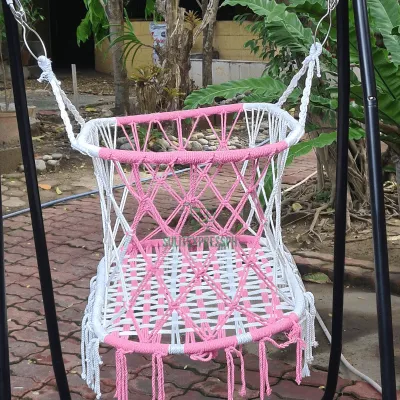
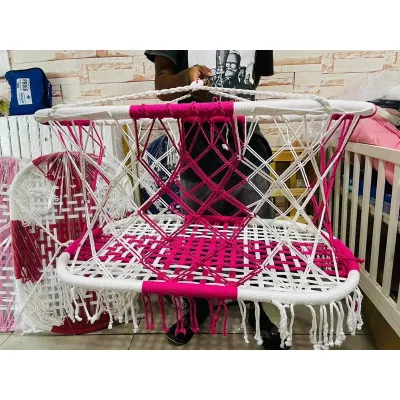
A traditional duyan is a suspended cradle or hammock, historically crafted from a sturdy length of cloth, a sarong, or woven rattan. It is typically hung from a ceiling beam, a doorway, or a dedicated metal frame using heavy-duty ropes, chains, or metal springs. The primary appeal of this setup lies in its ability to mimic the rhythmic, bouncing motion of the womb, which quickly lulls restless infants to sleep.
Products mentioned in this guide


Prices are valid at publication and may change. Please refer to the product page for the latest price.
In tropical climates, the lightweight fabric of a traditional duyan also offers excellent ventilation. This airflow helps keep babies cool during hot, humid afternoons, making it a popular fixture in many living areas. However, there is a critical distinction between using this setup for supervised, short-term soothing and using it for overnight or unattended sleep.
Modern baby gear is subject to rigorous manufacturing standards and structural testing, whereas traditional, home-installed duyans often lack these standardized safety nets. The safety of a traditional setup depends entirely on the quality of the materials used, the security of the installation, and the constant vigilance of the caregiver. Understanding these variables is the first step in protecting your infant from harm.
Evaluating Safety Risks for Your Baby
The most critical hazard associated with a traditional duyan is positional asphyxia. Because the fabric of a hammock naturally sags under a baby’s weight, it creates a deeply curved, semi-reclined surface. When a young infant with weak neck muscles is placed in this position, their heavy head can easily roll forward, pressing their chin firmly against their chest. This slumping action can kink their soft, narrow airway, silently cutting off their oxygen supply without any visible struggle or sound.

Fall hazards present another major concern for parents using a suspended setup. Unlike a rigid wooden crib with high protective slats, a cloth duyan relies entirely on the integrity of its suspension points. If a rope frays, a spring snaps, or a ceiling hook pulls free from a wooden beam, the entire structure can collapse instantly. Furthermore, as babies grow more active, a sudden shift in their weight can cause the fabric pocket to tilt or capsize, spilling the infant onto the floor below.
Spinal and hip development must also be considered when evaluating a duyan. Pediatric orthopedists emphasize that infants require a firm, flat surface to support their rapidly growing bones and joints. Prolonged periods spent in a curved, sagging hammock can restrict natural movement, potentially interfering with healthy spinal alignment and hip joint development.
To prevent these physical complications, global pediatric guidelines consistently recommend that infants sleep on their backs on a firm, flat, and separate mattress. These standards are designed to eliminate the risk of suffocation, entrapment, and physical strain. While a duyan may seem like a convenient way to settle a crying baby, it does not meet the criteria for a safe, independent sleep environment.
Essential Precautions for Supervised Use
If you choose to use a traditional duyan to soothe your baby, you must adhere to a strict policy of active, uninterrupted adult supervision. This means a caregiver must remain in the same room, keeping the baby within direct line of sight and physical reach at all times. A baby monitor is not a substitute for physical presence, as positional asphyxia can occur silently and rapidly without triggering a sound-based alarm.
Always check the physical positioning of your baby immediately after placing them in the cloth pocket. Ensure they are lying flat on their back, with their head positioned in a way that keeps their neck straight and their chin elevated off their chest. Their face must remain completely visible, and the fabric of the duyan should not fold inward or drape over their nose and mouth.
Keep the interior of the duyan entirely bare. Do not add pillows, folded blankets, rolled towels, or stuffed toys to the hammock in an attempt to cushion the baby or keep them upright. These soft items introduce severe suffocation and entrapment hazards, especially if the baby shifts and presses their face against them. The tension of the suspended cloth alone should support the baby.
It is also vital to respect the developmental limits of your child. A duyan is only suitable for very young infants who cannot yet roll over or push themselves up. Once your baby begins to show signs of increased mobility, the risk of them climbing out or tipping the hammock increases exponentially, signaling that it is time to retire the equipment immediately.
Inspecting and Setting Up the Equipment Safely
Before placing your baby in a duyan, perform a thorough physical inspection of all components. Examine the fabric for any signs of wear, such as thinning patches, fraying edges, or unraveling seams. In humid tropical environments, natural fibers can degrade or develop mold over time, which weakens the material and poses health risks. If you notice any structural compromise, replace the cloth immediately.
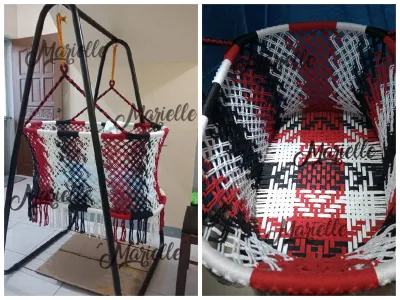
Next, evaluate the suspension hardware and anchor points. If the duyan is hung from a ceiling hook, verify that the hook is screwed directly into a solid wooden joist or structural concrete beam, rather than simple plasterboard or drywall. If you are using a freestanding metal frame, check that all bolts are tightly secured, the legs are stable on a level floor, and the frame does not wobble when swung.
Adjust the height of the duyan so that the lowest point of the fabric hangs only a few inches above the floor once the baby’s weight is added. Keeping the unit low to the ground minimizes the impact force in the unlikely event of a fall. Ensure the surrounding area is completely clear of hard furniture edges, sharp objects, electrical cords, and wall outlets.
Never attempt to modify the suspension system with makeshift ropes, plastic ties, or unrated hardware. If you have any doubts about the structural integrity of your setup, stop using it immediately and consult a qualified professional or structural carpenter to verify the safety of your home installations.
Knowing When to Stop Using the Duyan
Recognizing the precise developmental milestones that make the duyan unsafe is crucial for preventing serious fall injuries. The moment your baby learns to roll over from back to front, or begins pushing up on their hands and knees, they have outgrown the safe limits of a suspended hammock. Their shifting center of gravity makes it incredibly easy for them to capsize the fabric pocket during a restless moment.
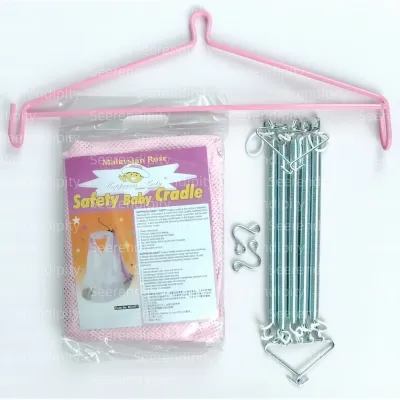
Additionally, you must monitor your baby’s weight and length relative to the limits of your specific setup. If you are using a commercial stand or a manufactured spring, consult the user manual for the maximum weight capacity. Even if the baby has not yet reached those limits, if their body has grown long enough that their head or feet press tightly against the ends of the fabric, the duyan is no longer safe to use.
Transitioning your baby to a firm, flat crib or bassinet for all sleep periods is the safest long-term choice. If your baby has become dependent on the swaying motion of the duyan to fall asleep, try gradually reducing the intensity of the swing over several days. Once they are drowsy, transfer them to their crib so they can learn to settle on a safe, flat surface.
Frequently Asked Questions (FAQ)
Can a baby sleep overnight in a traditional duyan?
No, a baby should never sleep overnight or unsupervised in a traditional duyan. Pediatric health organizations emphasize that unsupervised sleep requires a firm, flat, and clear surface to minimize the risk of sudden infant death syndrome (SIDS) and positional asphyxia. Overnight sleep involves long periods where caregivers are also asleep and unable to monitor the baby’s breathing or physical position. For personalized guidance on establishing a safe sleep routine, consult your pediatrician.
How does a duyan compare to modern baby swings or bouncers?
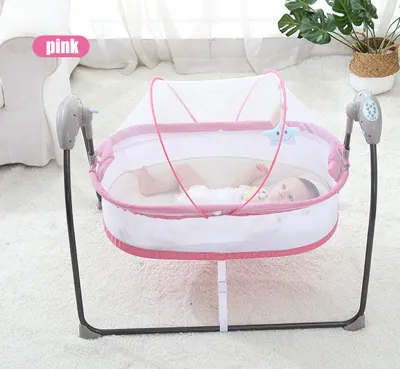
Traditional duyans rely on simple cloth suspension and manual swaying, whereas modern baby swings and bouncers feature rigid frames, safety harnesses, and motorized movement. While commercial swings are built to meet specific manufacturing safety standards, they are still classified as temporary soothing devices rather than safe sleeping environments. When choosing any alternative gear, always verify that the product carries recognized safety certifications, check for recent manufacturer recalls, and strictly adhere to the specified weight and age limits.
Community discussion
Share your experience or ask a question. Comments are reviewed before publication.