
To properly wear a maternity postpartum binder, you should put it on while lying flat on your back with your knees bent, wrapping it from the bottom up starting at your hips, and securing it with a snug but comfortable fit. This supportive garment helps stabilize your core, supports your lower back, and reduces abdominal swelling after delivery. However, using it correctly is essential to avoid putting excessive downward pressure on your healing pelvic floor or restricting your natural circulation.
Using a postpartum binder can provide immense physical comfort during your early weeks of recovery, but it must be integrated safely into your daily routine. Understanding the correct timing, positioning, adjustment techniques, and maintenance steps will help you maximize the benefits of your binder while protecting your long-term pelvic and muscular health.
When to Start Wearing Your Postpartum Binder
Determining the right time to begin wearing a postpartum binder depends heavily on your method of delivery and how your body is healing. For a smooth, uncomplicated vaginal delivery, many healthcare providers agree that you can start wearing a light, supportive binder within the first 24 to 48 hours after giving birth. At this stage, your abdominal muscles are stretched, and your center of gravity is shifting back, making gentle external support highly beneficial for your posture and comfort.
Products mentioned in this guide
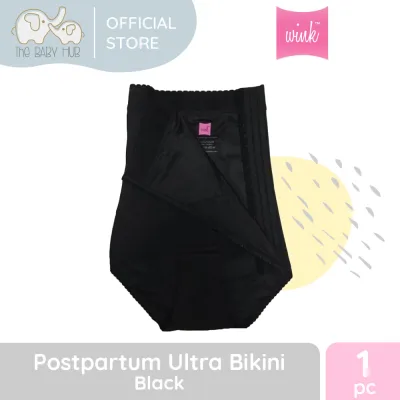
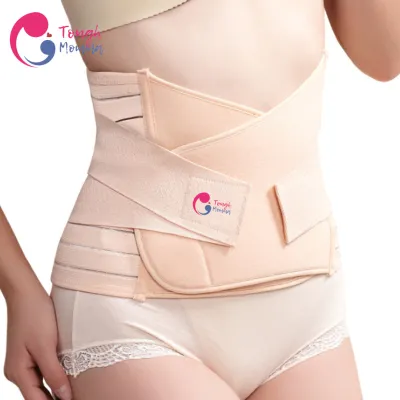
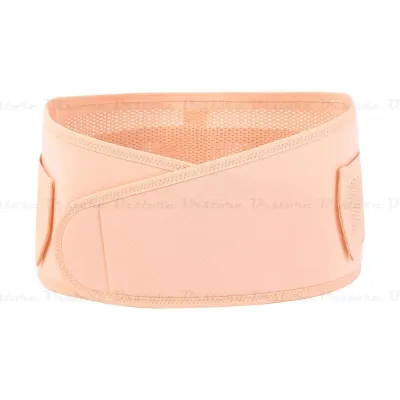
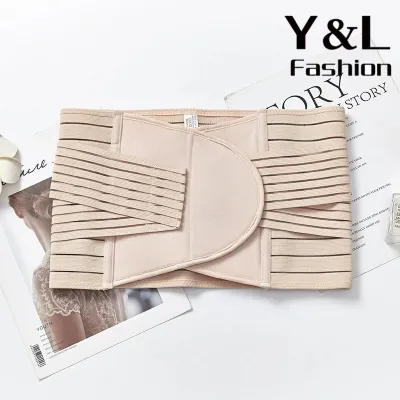
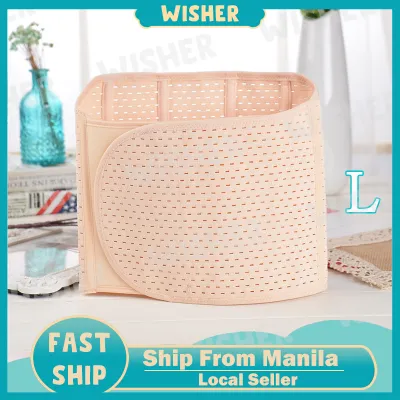
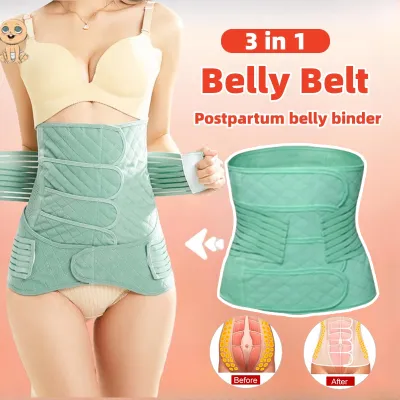
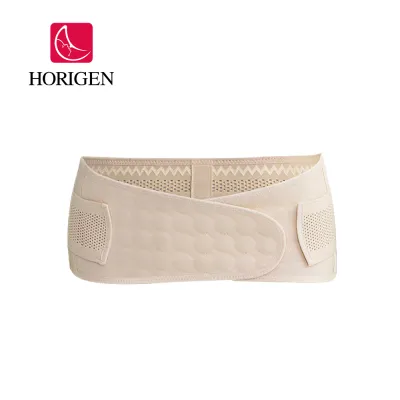
Prices are valid at publication and may change. Please refer to the product page for the latest price.
If you delivered via Cesarean section (C-section), your timeline will be different. Because a C-section is a major abdominal surgery, you must wait until your surgical incision has begun to close and heal, which typically takes at least a few days to a couple of weeks. Wearing a binder too soon over a fresh incision can trap moisture, cause painful friction, or disrupt your stitches or staples. Always consult your OB-GYN or healthcare provider before wrapping your abdomen, especially if you experienced any delivery complications, severe tearing, or pre-existing pelvic floor dysfunction.
There are several critical situations where you should avoid using a postpartum binder entirely. Do not wear one if you have an active skin infection, an unhealed or oozing C-section incision, or if you are experiencing symptoms of postpartum preeclampsia, such as high blood pressure. Additionally, if you have been diagnosed with severe pelvic organ prolapse, the compression from a binder can worsen your symptoms by forcing your internal organs downward.
Keep in mind that the primary goals of a maternity postpartum binder are to provide temporary structural support, encourage better posture while breastfeeding, and offer comfort as your organs return to their pre-pregnancy positions. A binder is not a medical cure-all, nor is it designed to permanently reshape your body. It is a supportive tool to assist your natural recovery process during the early postpartum weeks.
Step-by-Step Guide to Putting On Your Maternity Binder
Putting on your postpartum binder correctly requires preparation and mindful physical positioning to ensure you do not inadvertently strain your healing tissues.

Preparation and Sizing
Before you put on your binder, make sure you have selected the correct size based on your current postpartum measurements rather than your pre-pregnancy size. Your body naturally retains extra fluid and your hips remain wider immediately after birth, so trying to squeeze into a binder that is too small will cause pain and restrict your breathing. Ensure your skin is completely clean, dry, and free of heavy postpartum oils or thick lotions, which can trap sweat and lead to irritation.
Positioning Your Body
To position yourself correctly, lie flat on your back on a firm bed or mattress with your knees bent and your feet flat on the surface. This specific position is crucial because it allows gravity to help your abdominal organs and uterus settle naturally back and upward toward your spine. If you attempt to wrap your binder while standing up, gravity pulls your heavy postpartum uterus and abdominal contents downward, and wrapping the binder in this state will trap and compress them against your pelvic floor.
The Bottom-Up Wrapping Technique
Slide the open binder underneath your lower back, centering it so that the widest part covers your lower abdomen and hips. Begin fastening the binder from the very bottom—starting at your pubic bone and hips—and work your way gradually upward toward your ribcage. This bottom-up wrapping technique acts as a supportive cradle, lifting your abdominal wall and organs upward rather than pushing them down into your pelvic canal.
Fastening and Alignment
Secure the Velcro straps, hooks, or ties evenly on both sides of your body. Avoid pulling one side tighter than the other, as asymmetrical tension can cause the binder to twist, bunch up, or apply uneven pressure to your healing abdominal muscles and C-section incision. The binder should lay completely flat against your torso without any rolling edges or sharp folds.
How to Adjust the Fit for Comfort and Support
Once your postpartum binder is secured, you must verify that the fit is safe and supportive without being overly restrictive. A binder that is wrapped too tightly can hinder your recovery rather than help it.
To check the tightness of your binder, apply the simple “two-finger rule.” Slide two fingers flat underneath the top and bottom edges of the binder. If you cannot easily slide your fingers under the fabric, the binder is too tight and needs to be loosened immediately. The garment should feel like a firm, reassuring hug around your midsection, not a restrictive corset that pinches your skin.
Next, perform a functional breathing and movement check. Take three deep, slow diaphragmatic breaths; your abdomen should be able to expand slightly, and you should not feel any restriction in your lungs or chest. Sit down on a chair to ensure the lower edge of the binder does not dig painfully into your thighs or groin, and check that the top edge does not push upward into your ribs. If you experience immediate acid reflux, indigestion, or difficulty swallowing when you sit, the binder is compressing your stomach too much.
Your body shape will change throughout the day as postpartum swelling fluctuates, as you eat, and as you transition between sitting, standing, and walking. Plan to readjust the straps of your binder three to four times a day to accommodate these natural shifts. If you notice any warning signs—such as numbness or tingling in your legs, sharp pain near your incision, shortness of breath, a feeling of heavy pressure in your pelvic floor, or sudden dizziness—remove the binder immediately and rest.
Daily Wearing Schedule and Safety Boundaries
Using a postpartum binder safely means establishing clear daily boundaries to prevent your core muscles from becoming dependent on external support.
- Start with Short Intervals: During your first few days of use, wear the binder for only one to two hours at a time during periods when you are standing or moving around. As your stamina improves and your body adjusts, you can gradually increase this duration to four to six hours per day.
- Limit Total Daily Use: Do not exceed a total of eight hours of wear per day. Your deep core muscles, including your transverse abdominis and multifidus, need to actively engage and rebuild their own strength; keeping them compressed all day can lead to muscle laziness and long-term weakness.
- Remove for Rest and Recovery: Always remove your binder before going to sleep, taking a shower, or sitting down to eat a large meal. Sleeping in a binder restricts your natural breathing patterns during deep rest, while wearing it during meals can severely disrupt your digestion.
- Listen to Your Body: If you feel fatigued, sore, or uncomfortable at any point, take the binder off. Your recovery is a gradual process, and forcing your body to endure discomfort will only delay your healing.
If you experience persistent pain, unusual discharge from a C-section wound, or increased vaginal bleeding (lochia) after wearing the binder, stop using it immediately and consult your healthcare professional.
Skin Care and Binder Maintenance in Humid Climates
Managing skin hygiene and binder maintenance is especially important in warm, tropical environments like the Philippines, where high humidity and heat can lead to excessive sweating.
To protect your skin from heat rashes, chafing, and friction sores, always ensure your skin is dry before putting on your binder. If you find the elastic or synthetic material of the binder irritating against your bare skin, wear a thin, breathable, 100% cotton camisole or undershirt underneath it. This lightweight layer acts as a barrier, absorbing sweat and preventing the binder from rubbing directly against sensitive skin or healing incisions.
Moisture and sweat trapped under a tight garment create an ideal environment for fungal and bacterial skin infections. Check your skin daily for any signs of redness, tiny bumps, or itching. If you develop a heat rash, discontinue using the binder until your skin has completely cleared, and keep the area clean and dry.
Regularly washing your postpartum binder is vital for maintaining both personal hygiene and the fabric’s structural integrity. Hand wash the binder in cool water using a mild, hypoallergenic baby detergent, or place it inside a mesh laundry bag on a gentle machine cycle. Secure all Velcro straps before washing to prevent them from snagging the fabric.
Always air dry your binder flat in a shaded, well-ventilated indoor area or a breezy outdoor spot away from direct, intense midday sunlight. Never put the binder in a mechanical dryer or expose it to high heat, as extreme temperatures destroy the elastic fibers and spandex, causing the binder to lose its supportive compression. If your binder becomes permanently stretched out, loses its elasticity, or the Velcro no longer holds securely, it is time to replace it to ensure you are receiving proper physical support.
Frequently Asked Questions (FAQ)
Can I wear a postpartum binder while sleeping?
No, it is generally not recommended to wear a postpartum binder while you sleep. When you lie down to rest, your body needs to breathe deeply and naturally without any external abdominal restriction to facilitate proper oxygen circulation and muscle recovery. Furthermore, wearing a binder for 24 hours a day can cause your core muscles to weaken from underuse and increases the risk of skin irritation, heat rashes, and sweat retention.
Will a maternity binder help me lose postpartum belly fat?
No, a maternity postpartum binder does not burn fat, reduce weight, or permanently flatten your stomach. While it can temporarily compress tissues and reduce postpartum fluid swelling, making your abdomen appear flatter while you wear it, actual fat loss only occurs through metabolic recovery, balanced nutrition, and gradual, safe postpartum exercise. The binder is strictly a physical support tool to assist your posture and core stability during early recovery.
How do I know if my binder is too tight?
You can tell your binder is too tight if you experience shallow breathing, difficulty taking a deep breath, or a feeling of heavy downward pressure in your pelvic floor. Other clear physical indicators include sharp abdominal pain, acid reflux, skin indentations, bruising, or a tingling, numb sensation in your hips or legs. If you notice any of these symptoms, loosen the binder immediately or take it off to prevent restricted blood flow and excessive internal pressure.

Community discussion
Share your experience or ask a question. Comments are reviewed before publication.