
Switching to washable cloth diapers is an excellent way to reduce household waste and save money over time, but keeping them clean requires a structured routine. Because these diapers are reused dozens of times, improper washing can lead to lingering bacteria, ammonia buildup, and diaper rashes on your baby’s sensitive skin. A successful wash routine balances thorough soil removal with gentle care to preserve the waterproof layers and elastic seals, keeping your diaper stash hygienic and fresh for years.
Pre-Wash Preparation and Stain Management
Handling waste depends heavily on your baby’s developmental and feeding stage. For exclusively breastfed infants, the waste is highly water-soluble and can typically go directly into the washing machine without pre-rinsing. Once formula or solid foods are introduced, however, the waste changes consistency and must be removed before washing.
You should scrape or plop solid waste directly into the toilet. Using a handheld diaper sprayer attached to your toilet plumbing—which typically costs around ₱500 to ₱1,500—makes this process quick and hygienic. Alternatively, you can place flushable or reusable fleece liners inside the diaper to catch solids for easy disposal.
Products mentioned in this guide
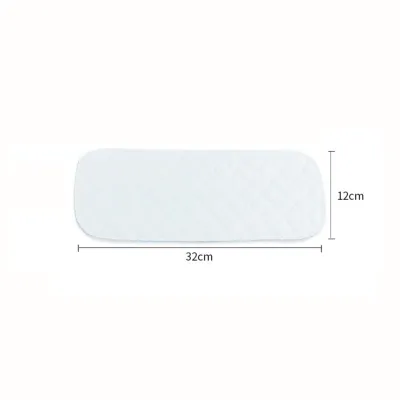
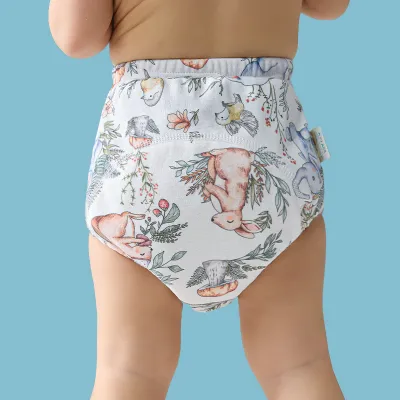
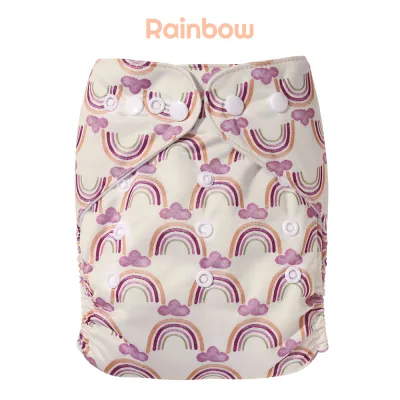
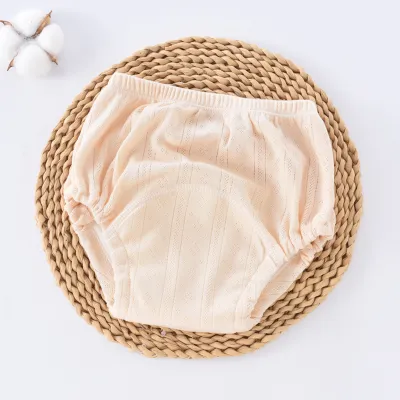
Prices are valid at publication and may change. Please refer to the product page for the latest price.
Stains are inevitable, but treating them safely preserves the diaper’s integrity. Avoid harsh chemical stain removers, chlorine bleach, or fabric softeners, as these can degrade the waterproof polyurethane laminate (PUL) outer layer and coat the fibers, drastically reducing absorbency. Instead, rinse soiled diapers immediately with cold water to prevent stains from setting. For stubborn shadows, leverage the natural bleaching power of the sun. Laying wet, clean diapers in direct sunlight is a highly effective, chemical-free way to fade organic stains.
Proper storage between wash days is critical to prevent bacterial growth and strong odors. Store soiled diapers in a dry, breathable wet bag or an open, well-ventilated laundry pail. Avoid airtight plastic bins or buckets, which trap moisture and create a breeding ground for mold and mildew—especially in warm, humid tropical climates. Airtight storage also accelerates the breakdown of urine into ammonia, which can damage the diaper fibers and irritate your baby’s skin. Aim to wash your diapers every two to three days to keep bacterial growth in check.
The Step-by-Step Machine Washing Routine
A reliable washing routine always begins with a dedicated pre-wash cycle. This initial cycle uses cold or warm water and a small fraction of detergent to flush out the bulk of the urine and loose organic matter. Think of this step as clearing the path so that your main wash cycle can actually clean the fabric rather than sloshing around in heavily soiled water. Skip any high-heat settings during the pre-wash, as hot water can cook proteins from waste directly into the fibers, making stains permanent.

The main wash cycle does the heavy lifting of deep cleaning and sanitizing. Set your washing machine to a heavy-duty or cotton cycle with warm or hot water, making sure to verify the maximum temperature limit on your diaper manufacturer’s care tags. Excessive heat can warp the PUL waterproof membrane and ruin the delicate elastics around the legs. Use a full dose of a strong, residue-free detergent. You may need to adjust the amount of detergent based on your local water hardness; hard water requires slightly more detergent to prevent mineral deposits, while soft water requires less to avoid buildup.
Rinsing is the most critical step for protecting your baby’s skin from chemical irritation. Always program an extra rinse cycle at the end of your wash routine to ensure every trace of detergent is completely flushed out. You can easily verify if your diapers are fully rinsed by pausing the machine during the final rinse and checking the water. If you see bubbles, suds, or cloudy water, run another rinse cycle. Clean diapers should smell like absolutely nothing—neither dirty nor heavily perfumed.
Keep in mind that different diaper materials require tailored care. Natural fibers like organic cotton and hemp are highly durable and can withstand vigorous agitation, but they may shrink slightly during their first few washes. Microfiber inserts are synthetic and trap odors easily, requiring thorough rinsing, while bamboo blends are delicate and can degrade if exposed to high heat or acidic additives. Always consult the specific care labels on your pocket diapers, covers, and inserts to ensure you are matching the wash parameters to the weakest material in the load.
Drying and Storage Best Practices
How you dry your cloth diapers directly impacts their lifespan and performance. Waterproof covers, pocket shells, and all-in-one diapers featuring PUL and elastics should ideally be line-dried. In warm, breezy tropical climates, hanging them outdoors is highly efficient, but you must hang them horizontally over the line rather than vertically by the elastics. Hanging them by the elastics stretches them out over time under the weight of the wet fabric. If you must use a clothes dryer, limit it to the absorbent inserts and use a low-heat setting to prevent fiber damage.
Direct sunlight is a natural sanitizer and an excellent tool for keeping diapers bright, but it must be used with caution. The ultraviolet (UV) rays of the sun naturally break down stain molecules and kill lingering bacteria. However, leaving your diapers under intense tropical sunlight for hours on end can make the elastic components brittle and cause the waterproof laminate to crack. To get the best of both worlds, hang your diapers in the sun until they are dry, then promptly bring them indoors.
Before assembling your pocket diapers or stacking them in your nursery drawers, verify that every single layer is completely bone-dry. Thick, multi-layered inserts made of bamboo or hemp can feel dry on the outside while retaining moisture deep within their core. Storing even slightly damp diapers in a closet invites mold, mildew, and musty odors that are incredibly difficult to remove. Give your inserts a firm squeeze and inspect the inner corners of pocket diapers to ensure no dampness remains before putting them away.
Troubleshooting Odors, Repelling, and Buildup
Even with a solid routine, you may occasionally encounter issues like strong ammonia odors or liquid repelling. If your clean diapers smell like ammonia the moment your baby urinates, it usually indicates under-washing or detergent buildup. Liquid repelling occurs when water beads up on the surface of the diaper instead of soaking in immediately. This is typically caused by the accidental use of fabric softeners, greasy diaper creams containing petroleum or zinc oxide without a liner, or mineral deposits from hard water.
When buildup compromises the diaper’s performance, a deep-cleaning process known as a “strip wash” may be necessary. Stripping involves using a specialized mineral-removing treatment or a series of hot washes without detergent to pull trapped residues out of the fibers. However, stripping is a harsh process that can accelerate wear and tear. Always check your manufacturer’s warranty guidelines before stripping, as some brands void their warranties if specific chemical treatments are used. Stripping should only be done as a last resort, not as a regular maintenance step.
Knowing when to stop home troubleshooting is vital for your baby’s health and safety. If your baby develops a persistent, red, or painful diaper rash that does not improve with routine adjustments, stop using cloth diapers temporarily and consult a pediatrician. A persistent rash could indicate a yeast infection, which requires medical treatment and a specific sanitizing protocol for your diapers. Additionally, if you notice structural damage like cracked waterproof linings or completely stretched-out leg casings, contact the manufacturer for repair or replacement advice rather than attempting risky DIY fixes.
Long-Term Maintenance and Lifespan Extension
To maximize the value of your investment, perform a quick inspection of your diaper stash during folding. Check the stitching along the seams for any fraying, and test the snaps to ensure they still fasten securely. Inspect the inner PUL lining for any signs of bubbling, peeling, or cracking. Catching minor wear early allows you to make simple repairs, such as replacing a loose snap, before the diaper becomes completely unusable.
Hook-and-loop (Velcro) closures require specific attention to maintain their grip over dozens of wash cycles. Before tossing these diapers into the washing machine, always secure the laundry tabs by folding the hook side back onto the loop strip. This prevents the rough hooks from snagging on other diapers, fraying delicate fabrics, or collecting lint and hair in the wash. If your hook-and-loop closures have already accumulated lint, you can gently clean them out using a fine-toothed comb or a safety pin to restore their stickiness.
Eventually, every cloth diaper will reach the end of its functional life. Clear signs of retirement include completely relaxed elastics that no longer seal around your baby’s legs, or cracked, delaminated PUL that leaks water instantly. When a diaper can no longer perform its primary duty, avoid throwing it directly into the landfill. You can easily repurpose worn-out cotton or hemp inserts as highly absorbent household cleaning rags, car washing cloths, or dusters, giving them a second life in your home.
Frequently Asked Questions (FAQ)
Can I use regular laundry detergent for washable cloth diapers?
You can use many standard laundry detergents, but you must carefully check the ingredient list first. Avoid detergents that contain fabric softeners, optical brighteners, or heavy synthetic fragrances, as these additives leave a coating on the fabric fibers that causes diapers to repel moisture. Additionally, adjust your detergent dosage based on your local water conditions. Hard water requires a strong detergent with water softeners to prevent mineral buildup, while soft water requires a smaller amount of detergent to ensure it rinses out completely.
How often should I wash my cloth diaper stash?
It is best to wash your cloth diapers every two to three days. Leaving soiled diapers unwashed for longer promotes the rapid growth of bacteria, mold, and strong ammonia odors, which can degrade the fabric and irritate your baby’s skin. To comfortably maintain a two-day wash rotation without running out of supplies, you will generally need a minimum stash of 20 to 24 diapers. This size allows you to have one batch in use, one batch in the wash or drying, and a few spares on hand.

Community discussion
Share your experience or ask a question. Comments are reviewed before publication.